Historical Sites
-
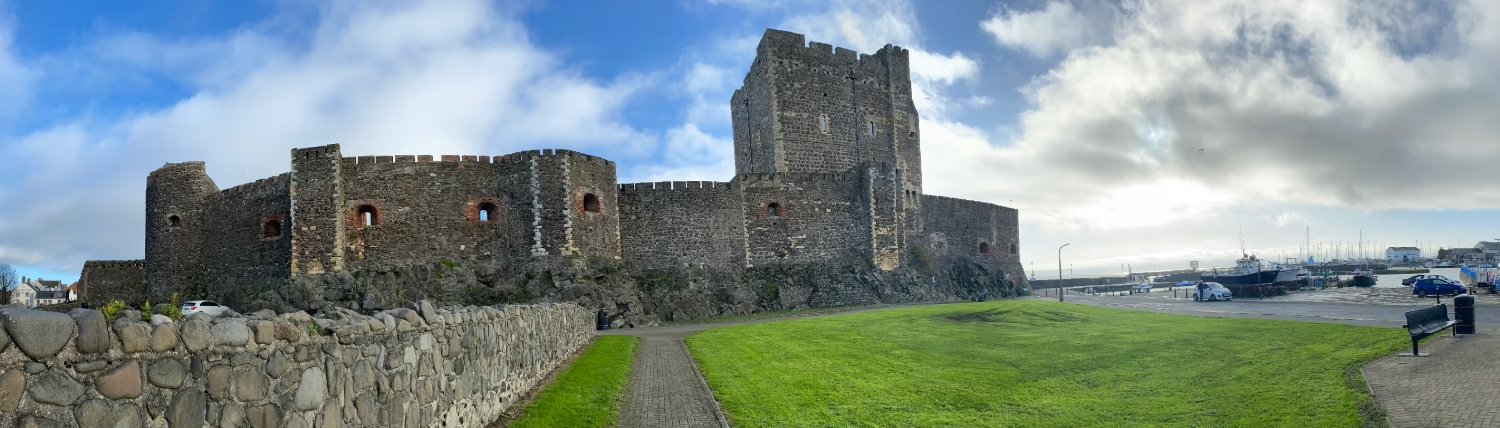
Carrickfergus Castle: Ulster’s Medieval Stronghold
Read more: Carrickfergus Castle: Ulster’s Medieval StrongholdCarrickfergus Castle stands as one of the most remarkable medieval fortresses in Ireland. Built by John de Courcy in the late twelfth century, it served as a gateway to Norman Ulster and a symbol of enduring power. Its layered defences, maritime position, and long history of occupation capture the shifting landscape of medieval Ireland.
-
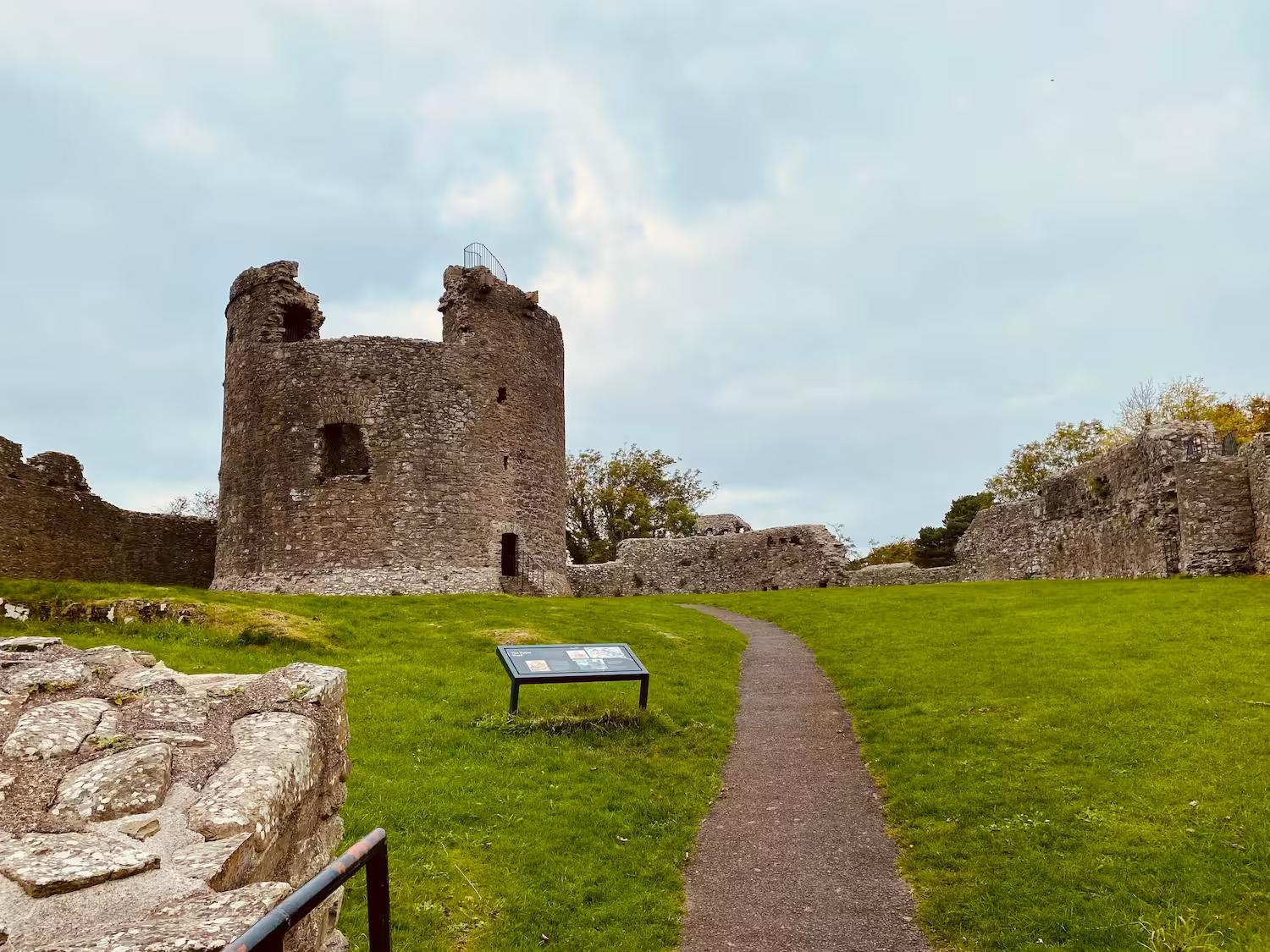
Dundrum Castle: From Ancient Fort to Norman Stronghold
Read more: Dundrum Castle: From Ancient Fort to Norman StrongholdPerched high above Dundrum Bay, Dundrum Castle has guarded the Mournes for nearly a thousand years. Yet its story begins long before the Normans arrived — in an early Christian fort and a prehistoric landscape marked by the Slidderyford Dolmen. This post explores how Dundrum evolved from ancient settlement to one of Ulster’s most remarkable…
-

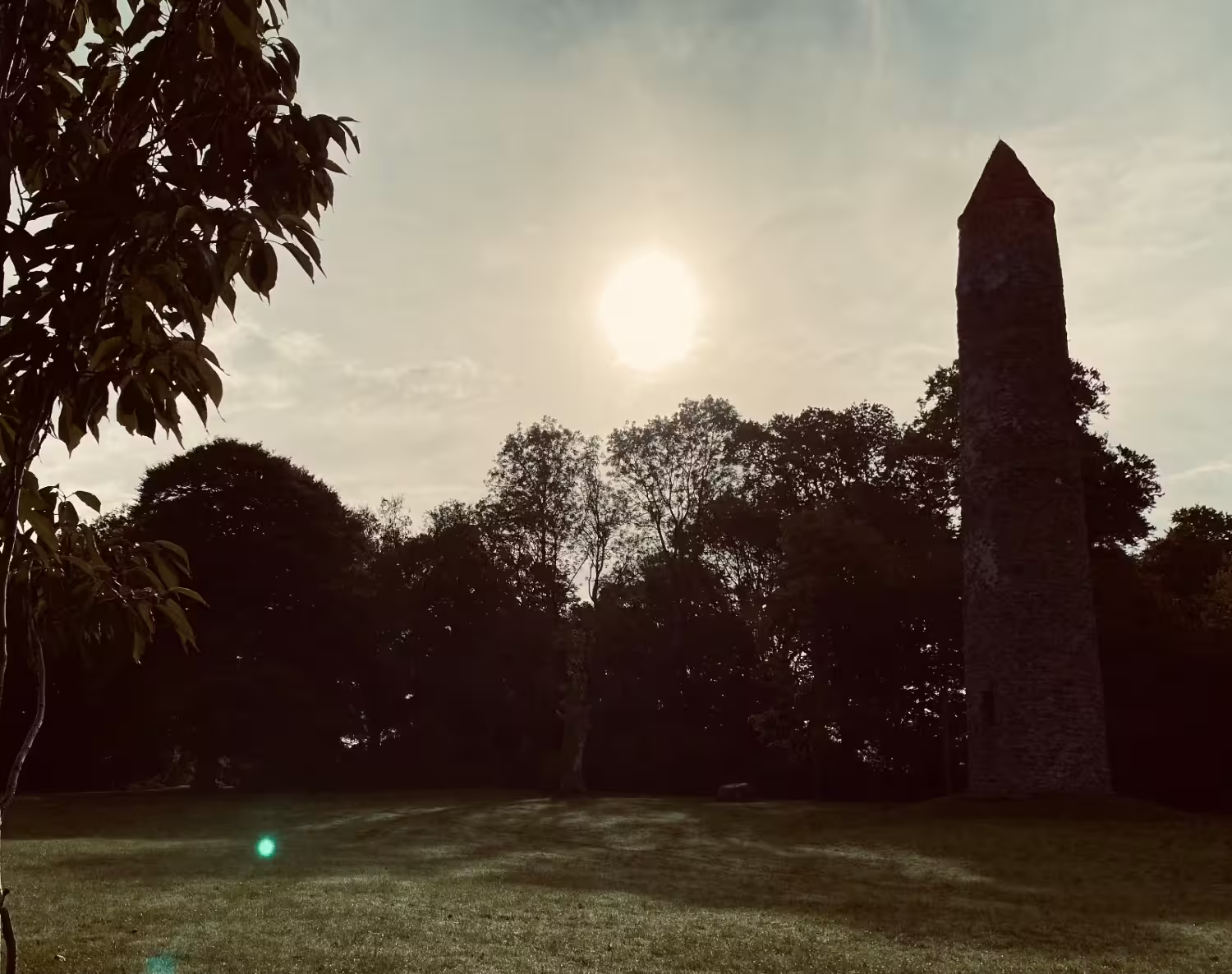
Antrim Round Tower: History of Antrim’s medieval monastic site
Read more: Antrim Round Tower: History of Antrim’s medieval monastic siteAntrim Round Tower rises above the town as one of Ulster’s most enduring medieval landmarks. Built in the early Christian period, it reflects both the defensive needs and spiritual ambitions of a monastic community. From its architecture to its role in local memory, the tower connects Antrim’s story to Ireland’s wider heritage of round towers.
-

Hill of Uisneach – Ireland’s Sacred Centre of Myth & History
Read more: Hill of Uisneach – Ireland’s Sacred Centre of Myth & HistoryThe Hill of Uisneach, Ireland’s sacred centre, is a site where ancient history, mythology, and landscape converge. From royal inaugurations to Bealtaine fire rituals, this Westmeath hill has long been a spiritual axis. Discover its role in prehistoric belief, medieval lore, and modern revival as the heart of Ireland’s mythic and ceremonial tradition.
-

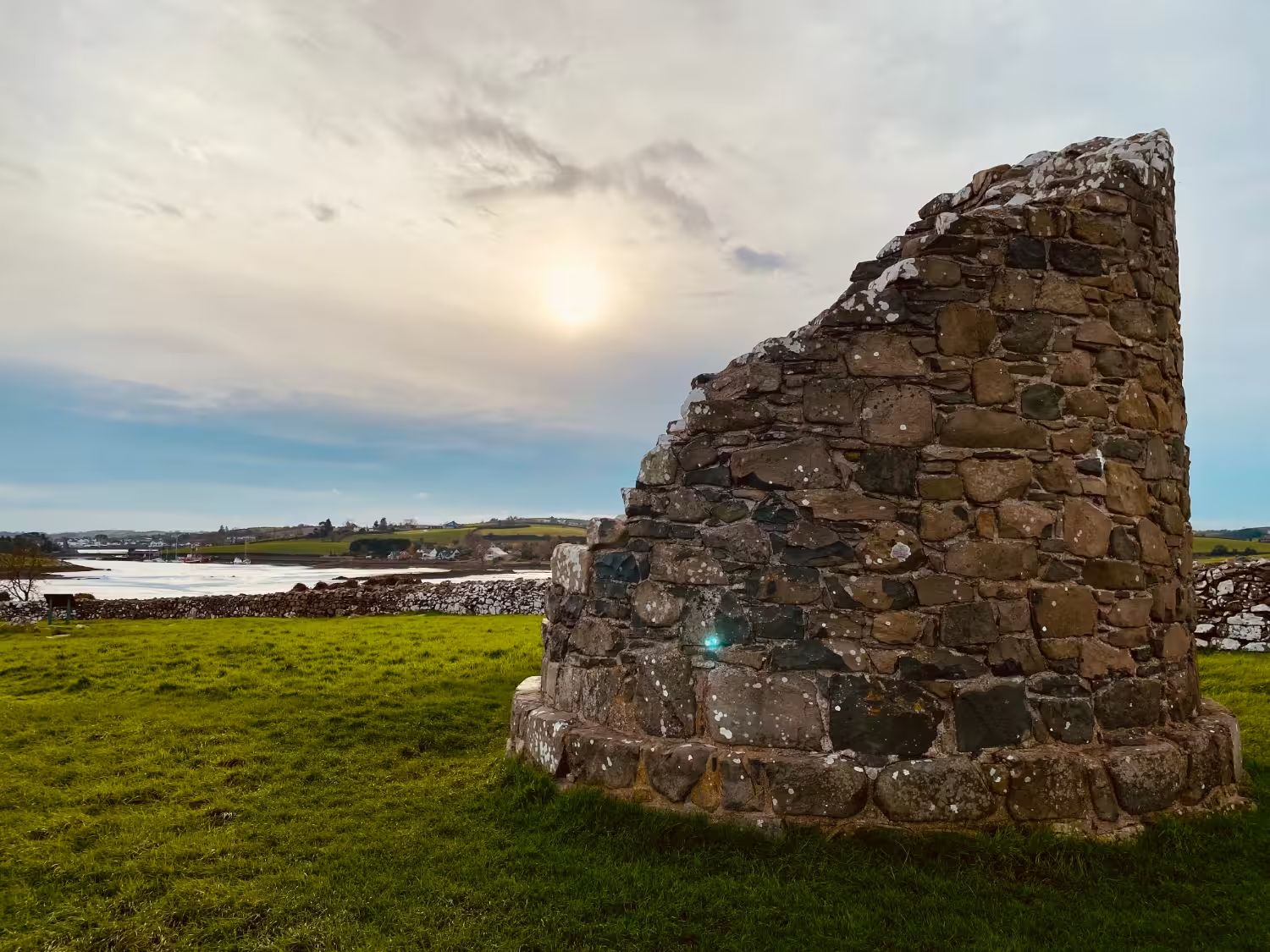
Nendrum Monastic Site: History, Tidal Mill & Irish Monastic Life
Read more: Nendrum Monastic Site: History, Tidal Mill & Irish Monastic LifeNendrum Monastic Site on Mahee Island is Northern Ireland’s best-preserved early-Christian monastery. Founded c. AD 450 by St Mochaoi, its triple stone cashels, unique 7th-century tidal mill and stunning Strangford Lough views reveal a community where faith met engineering genius. Free to visit year-round, it’s a must-see for Irish history lovers.
-

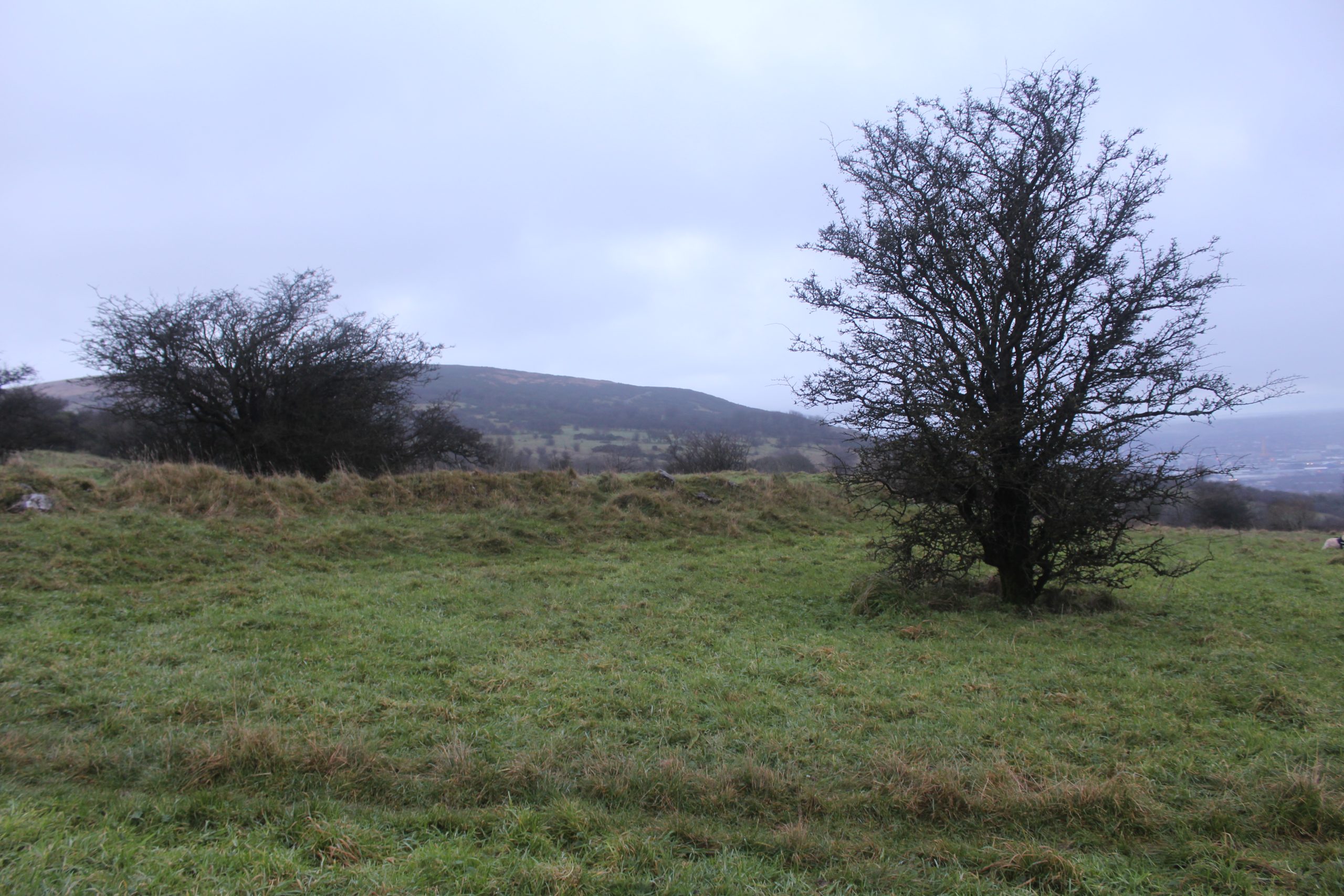
Ballyaghagan Cashel: Belfast Hills Stone Ringfort Guide
Read more: Ballyaghagan Cashel: Belfast Hills Stone Ringfort GuideBallyaghagan Cashel crowns Cave Hill 275 m above Belfast—a stone ringfort 42 m wide that housed farmers a millennium ago and hides even older flint scatters beneath its walls. Today a short stroll from Upper Hightown Road car park rewards visitors with panoramic views, Iron-Age ambience and a tangible link to the city’s forgotten past.
-

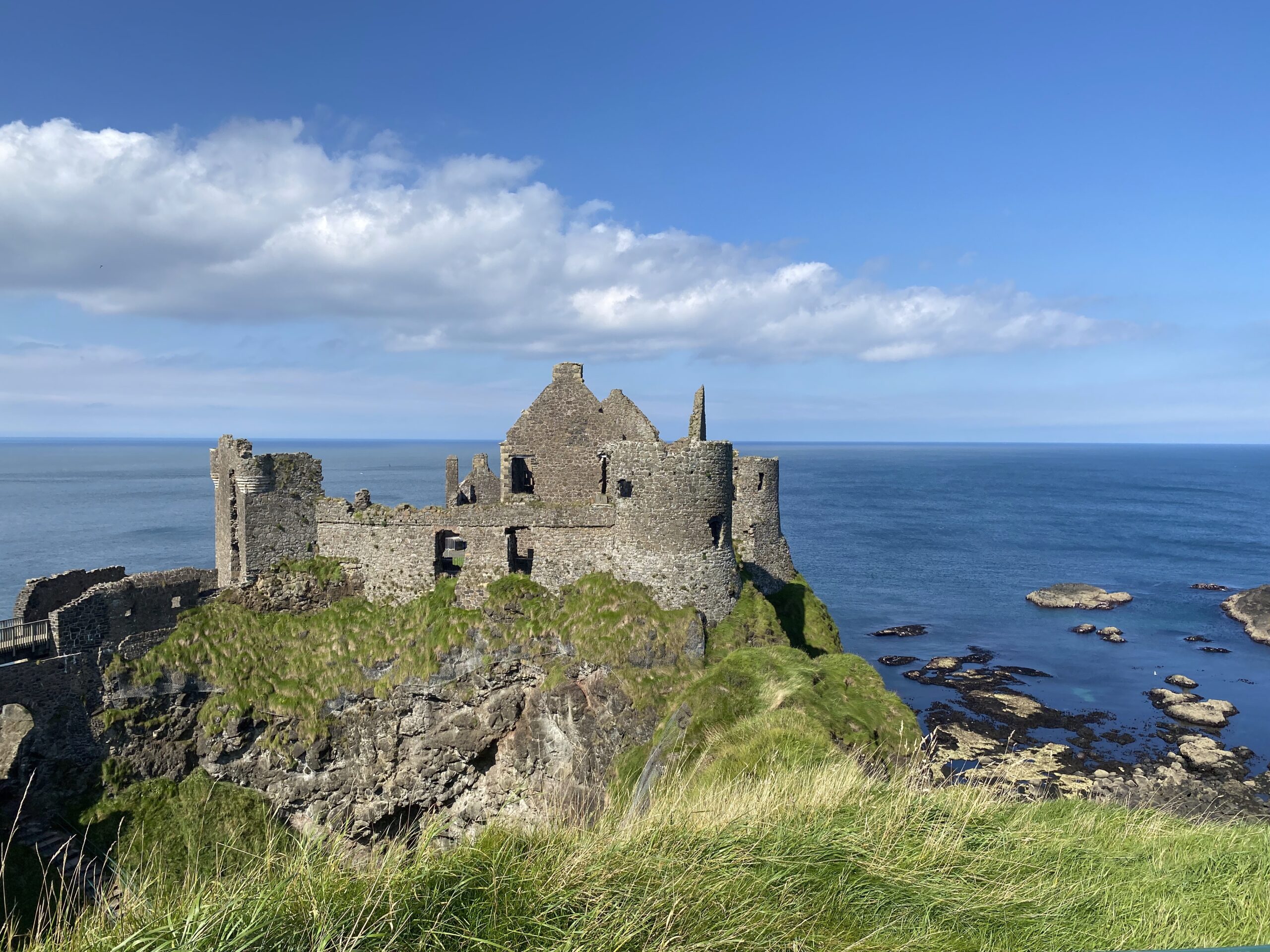
Dunluce Castle: Gaelic Fortress that Shaped Ulster’s Medieval History
Read more: Dunluce Castle: Gaelic Fortress that Shaped Ulster’s Medieval HistoryClinging to the edge of Antrim’s cliffs, Dunluce Castle has witnessed centuries of storm, siege, and legend. Once home to earls and warriors, its ruins now tell quieter tales — of ambition, collapse, and the shifting tides of Irish history.
-

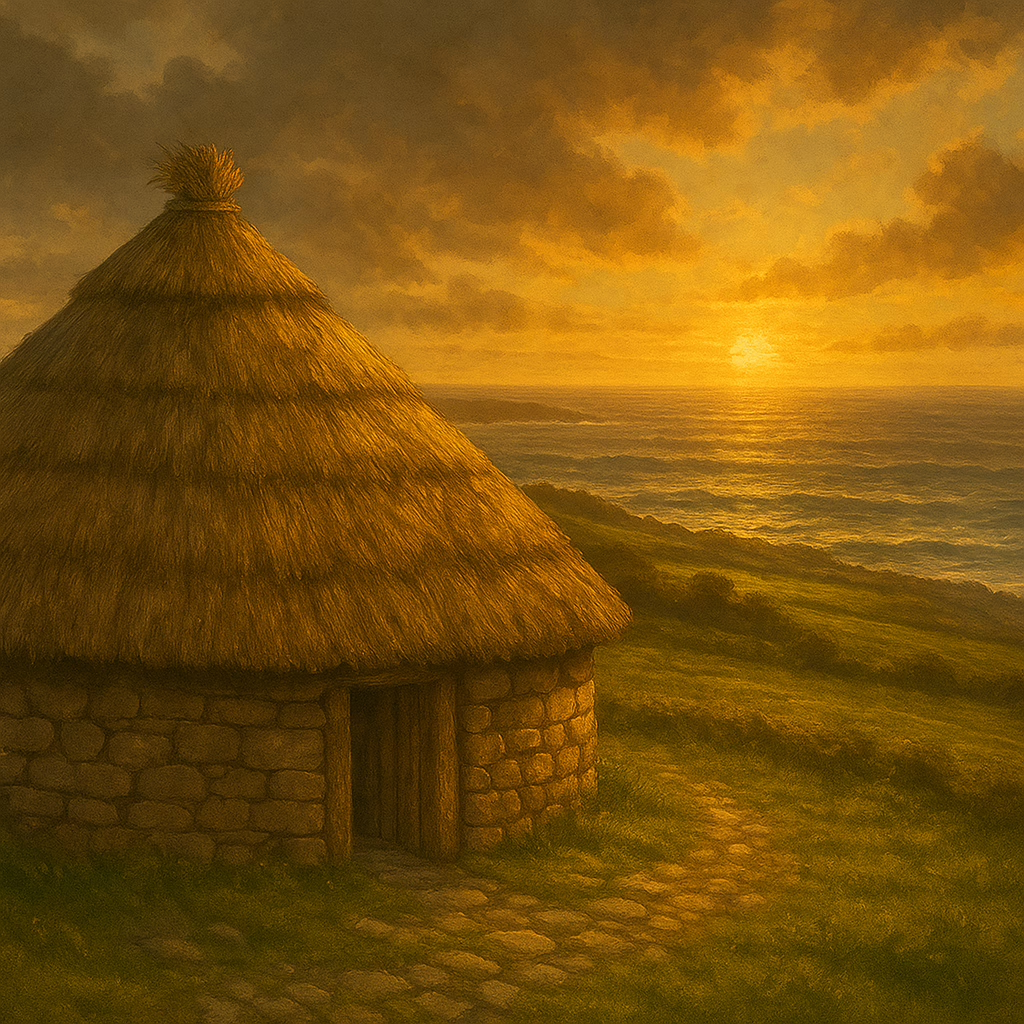
Corrstown Bronze Age Village: Ireland’s Largest Settlement
Read more: Corrstown Bronze Age Village: Ireland’s Largest SettlementCorrstown, just outside Portrush, stunned archaeologists in 2002 with 74 roundhouses linked by cobbled lanes—one of the largest Middle-Bronze Age villages uncovered in Britain or Ireland. Radiocarbon dates of c. 1700-1200 BC, 16,500 flint pieces and 9,000 pottery sherds now illuminate daily life on the Atlantic fringe.
-

Dun Aengus History: Ireland’s Ancient West Maritime Hub
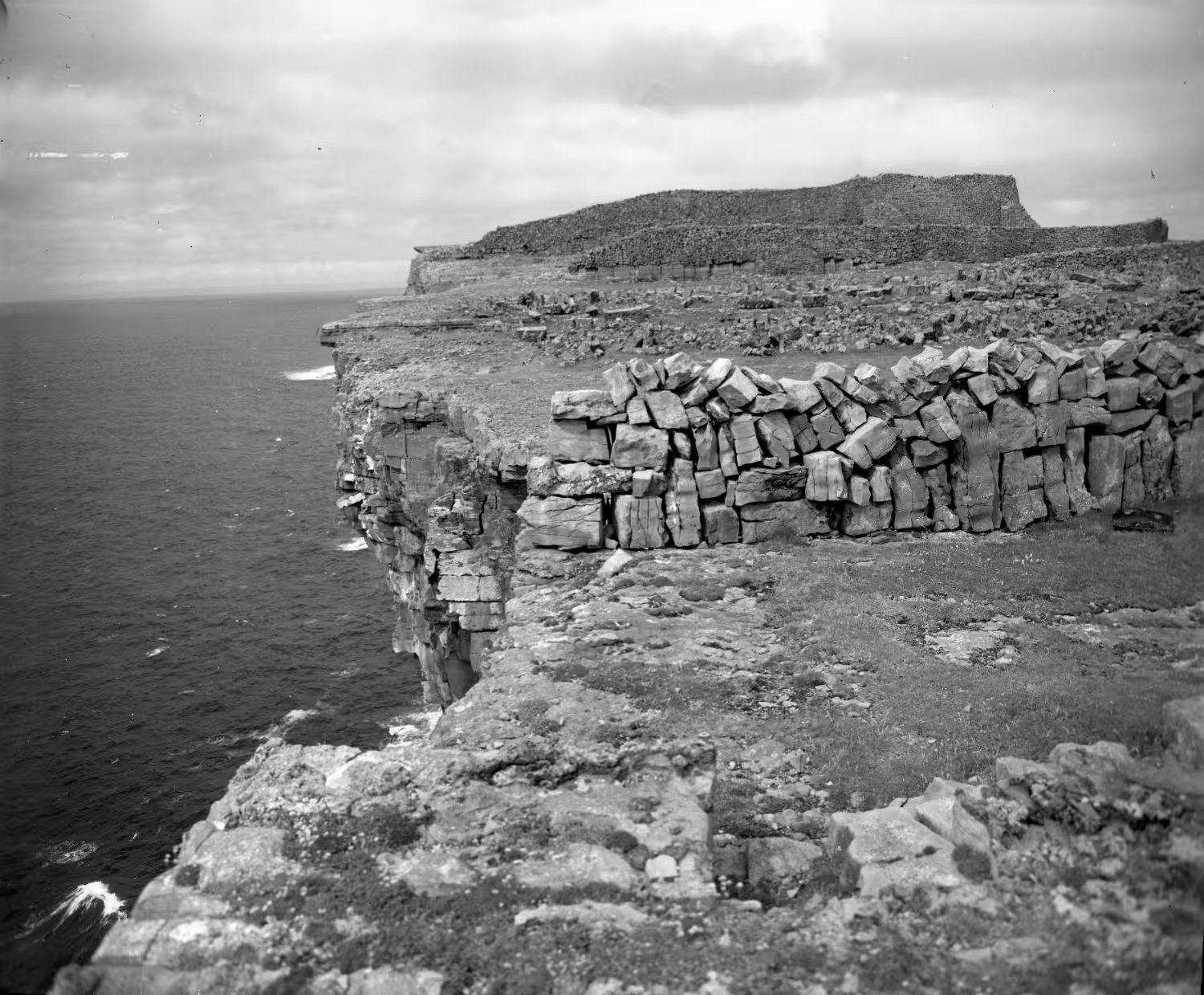
Read more: Dun Aengus History: Ireland’s Ancient West Maritime HubDun Aengus (Dún Aonghasa) crowns a 100 m Atlantic cliff on Inis Mór, its triple drystone walls and jagged chevaux-de-frise guarding the island since the Late Bronze Age. Excavations by Claire Cotter revealed metal-working debris and ritual deposits, while modern paths now guide visitors through Ireland’s most spectacular prehistoric fort.
-

The Rock of Cashel: History, Kingship and the Sacred Heart of Medieval Munster
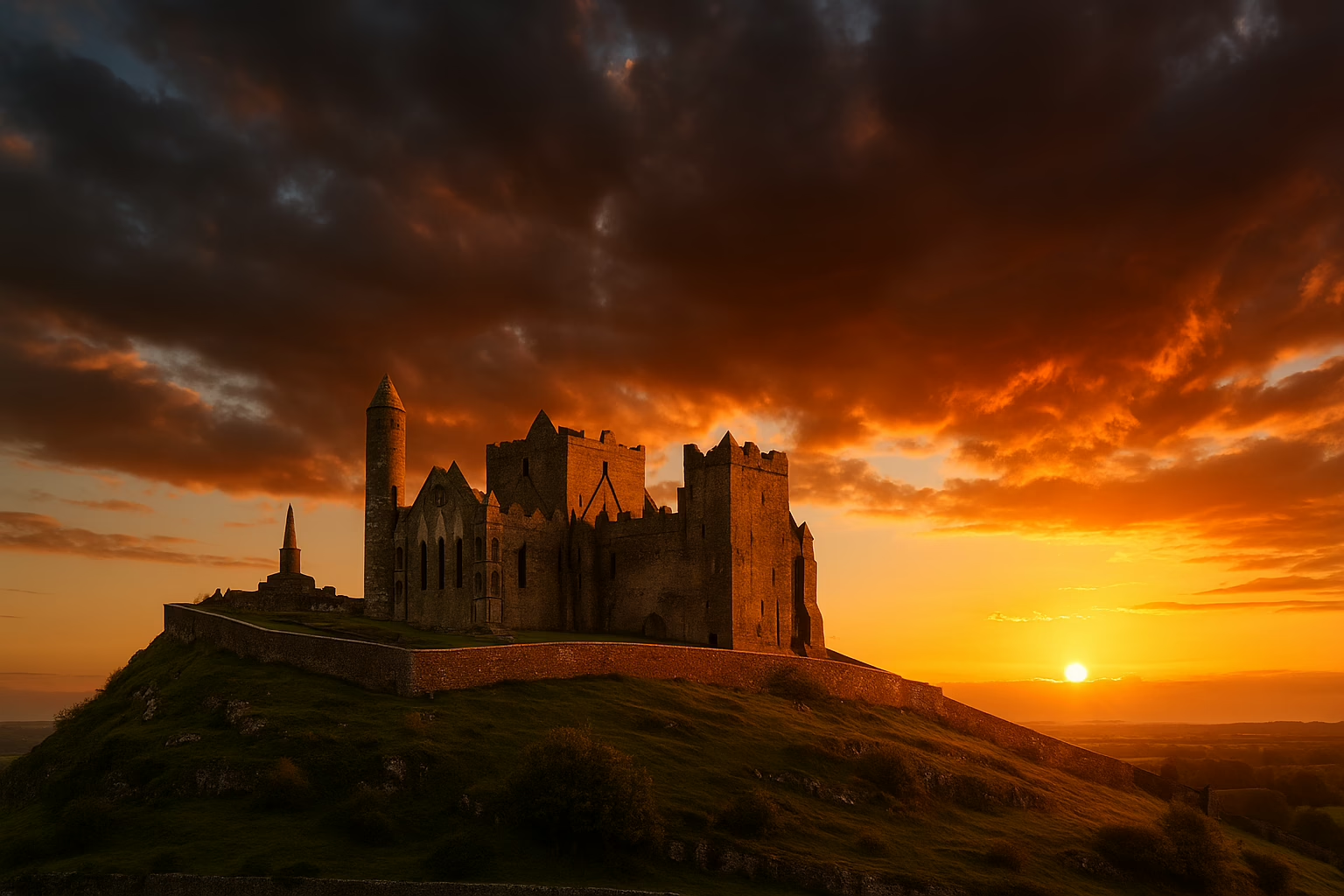
Read more: The Rock of Cashel: History, Kingship and the Sacred Heart of Medieval MunsterPerched above Tipperary’s Golden Vale, the Rock of Cashel (Carraig Phádraig) rose from a royal hill-fort to a 12th-century ecclesiastical powerhouse. But its ancient roots claim to go back much further into Iron Age Ireland. Here we explore the evidence.
Latest news
- Carrickfergus Castle: Ulster’s Medieval Stronghold
- Iron Age Irish Weapons: Celtic Warfare in Ancient Ireland
- Dundrum Castle: From Ancient Fort to Norman Stronghold
- Ogma: Irish God of Strength, Language, and Ogham
- Barrows of Ireland: Mapping Ireland’s Prehistoric Burial Mounds
Categories
- Book Reviews (5)
- Early Irish Christianity (7)
- Fiction (2)
- Historical Sites (21)
- Irish gods (10)
- Irish History (37)
- Irish language (7)
- Irish Mythology (24)
- Mythical Creatures (6)