Irish Mythology
-
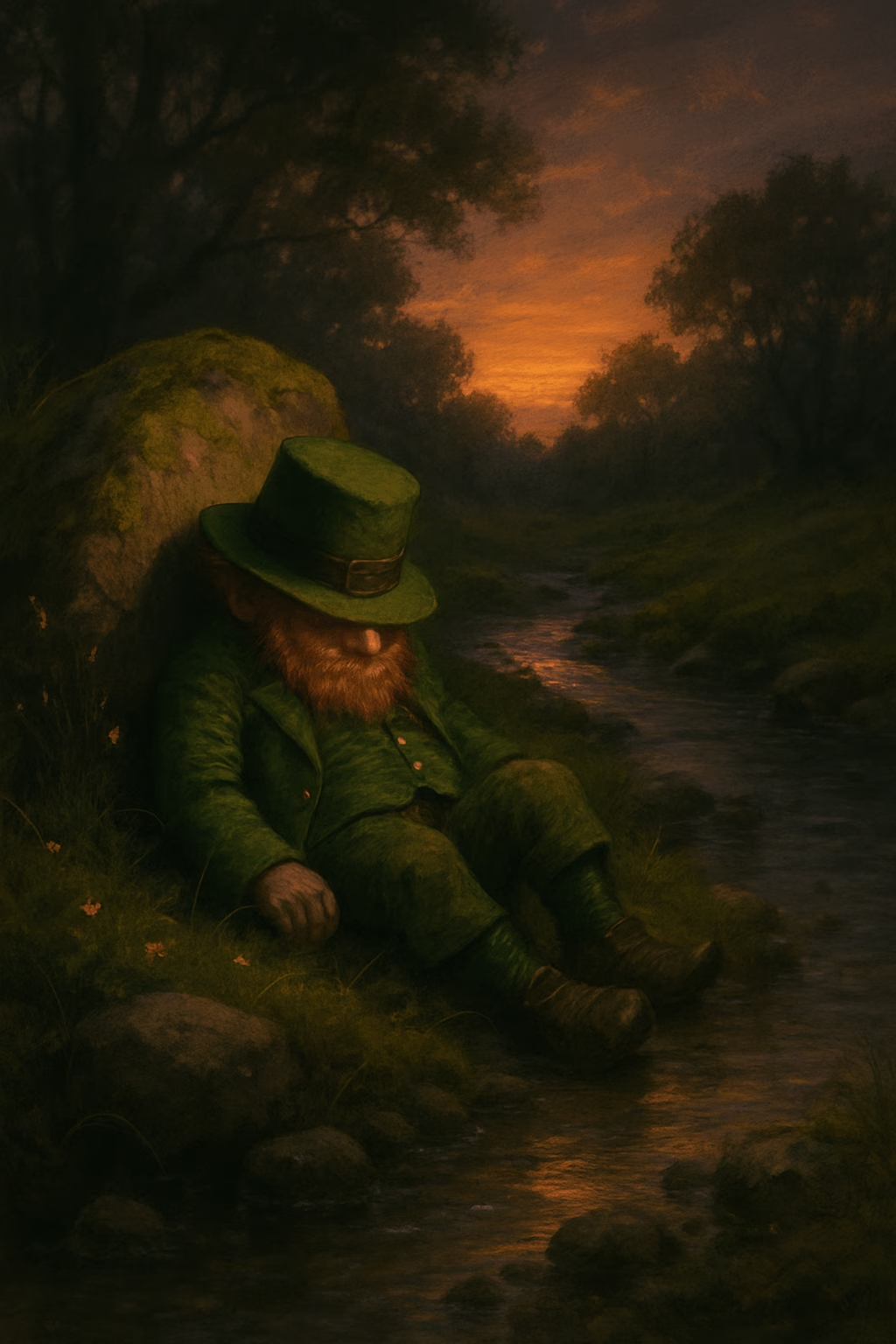
Leprechauns in Irish Mythology: Origins, Meaning and Folklore Explained
Read more: Leprechauns in Irish Mythology: Origins, Meaning and Folklore ExplainedThe Leprechaun is Ireland’s cunning fairy shoemaker. Discover its myths, trickster tales, and lasting influence in Irish folklore.
-
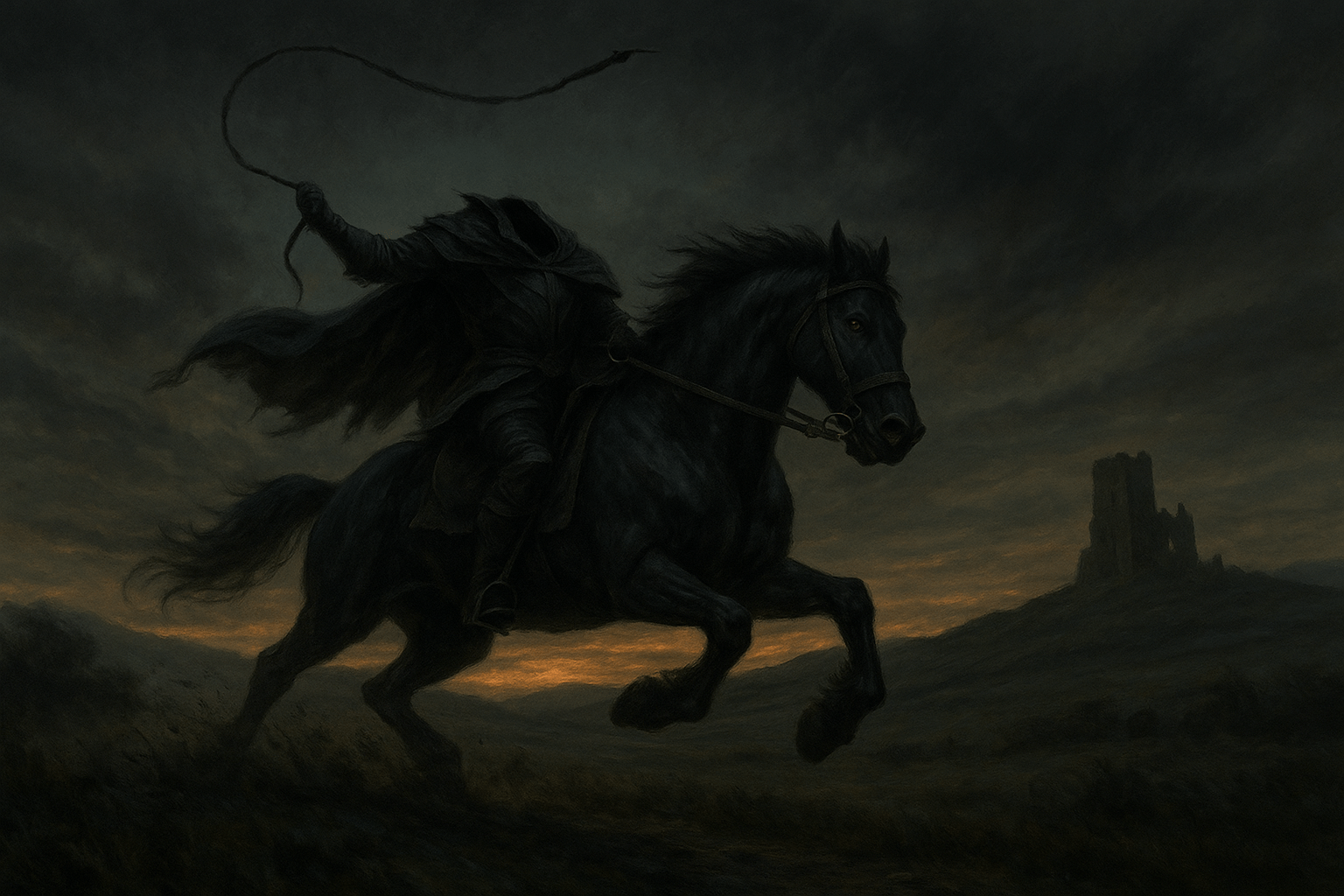
Dullahan in Irish Mythology – The Headless Rider of Death
Read more: Dullahan in Irish Mythology – The Headless Rider of DeathThe Dullahan, Ireland’s headless rider, is a fearsome omen of death. Discover his myths, folklore, and enduring role in Irish culture.
-

Aengus: Irish God of Love, Youth, and Dreams
Read more: Aengus: Irish God of Love, Youth, and DreamsAengus is the Irish god of love, youth, and poetic inspiration. This post explores his dreamlike mythology, from the legend of Caer to his ties with Newgrange, revealing how his longing and lyricism continue to echo through Irish tradition and the sacred landscape of Brú na Bóinne.
-

The Púca/Pooka: Shape-Shifting Spirit of Irish Mythology
Read more: The Púca/Pooka: Shape-Shifting Spirit of Irish MythologyThe Púca is a shape-shifting spirit from Irish folklore. Discover its myths, trickster tales, and enduring influence on Ireland’s cultural imagination.
-
Ogma: Irish God of Strength, Language, and Ogham
Read more: Ogma: Irish God of Strength, Language, and OghamOgma was a warrior-poet of the Tuatha Dé Danann, revered as the inventor of the Ogham script and a champion of strength and speech. This post explores his mythological role, legacy, and what his story tells us about power, language, and sacred knowledge in early Ireland.
-
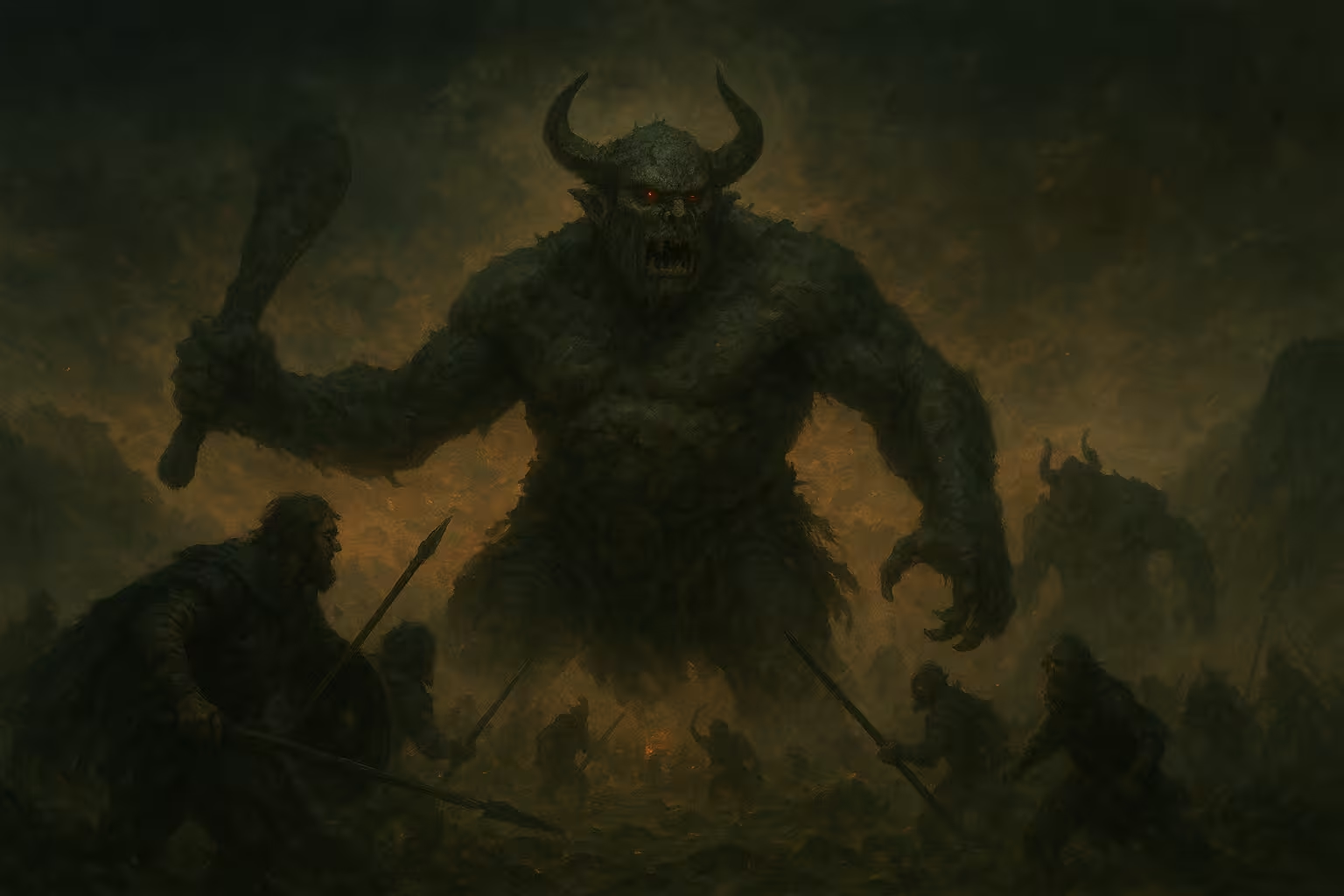
Fomorians in Irish Mythology: Giants of Chaos and the Sea
Read more: Fomorians in Irish Mythology: Giants of Chaos and the SeaThe Fomorians are monstrous beings from Irish mythology, embodying chaos and the untamed sea. Discover their myths, battles with the Tuatha Dé Danann, and enduring legacy.
-

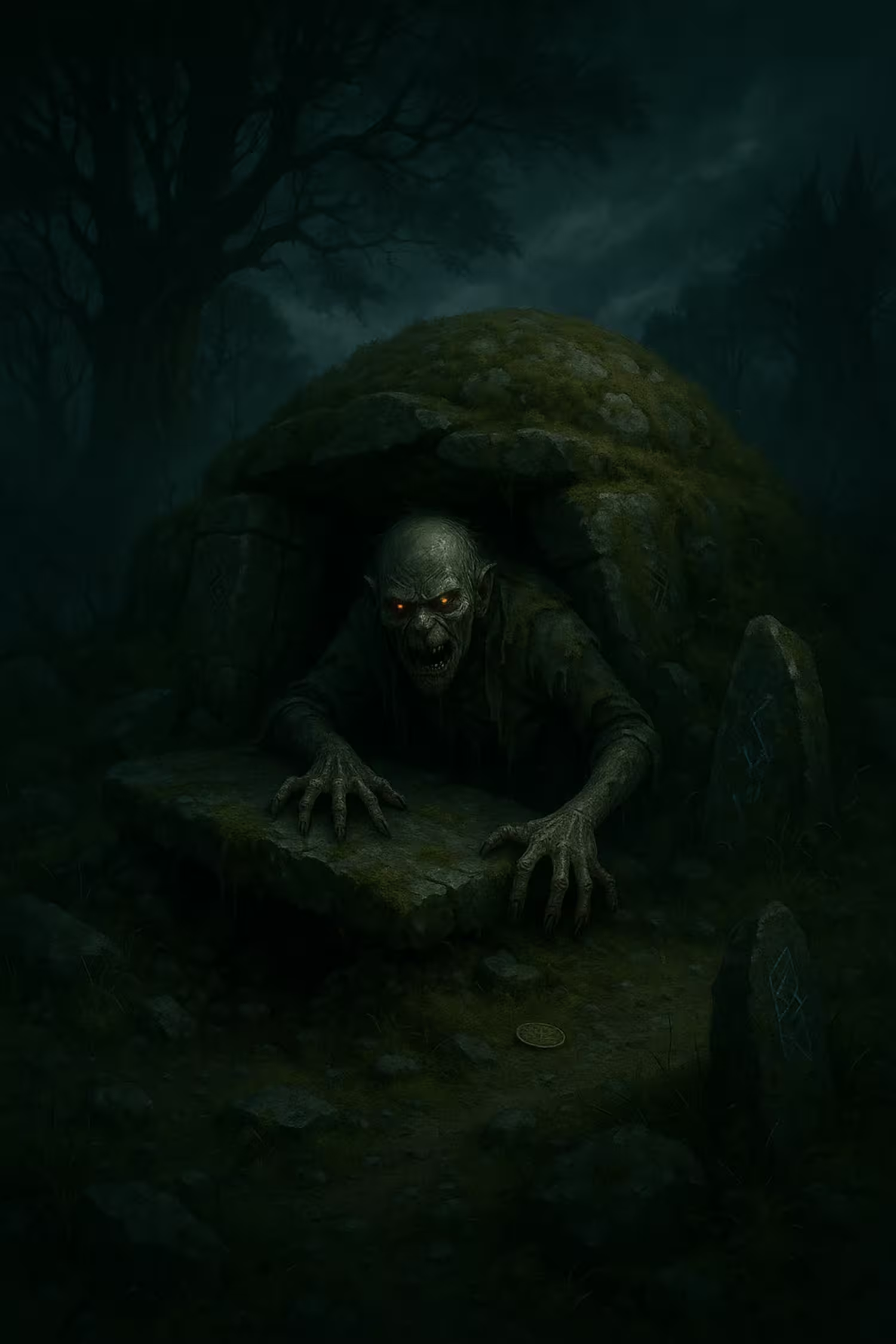
Revenants in Irish Mythology: The Blood-Drinking Undead Dwarf?
Read more: Revenants in Irish Mythology: The Blood-Drinking Undead Dwarf?Abhartach, was he an undead dwarf from Irish folklore who rose from his grave to drink blood? Explore his chilling legend, origins, and lasting influence on vampire myths.
-
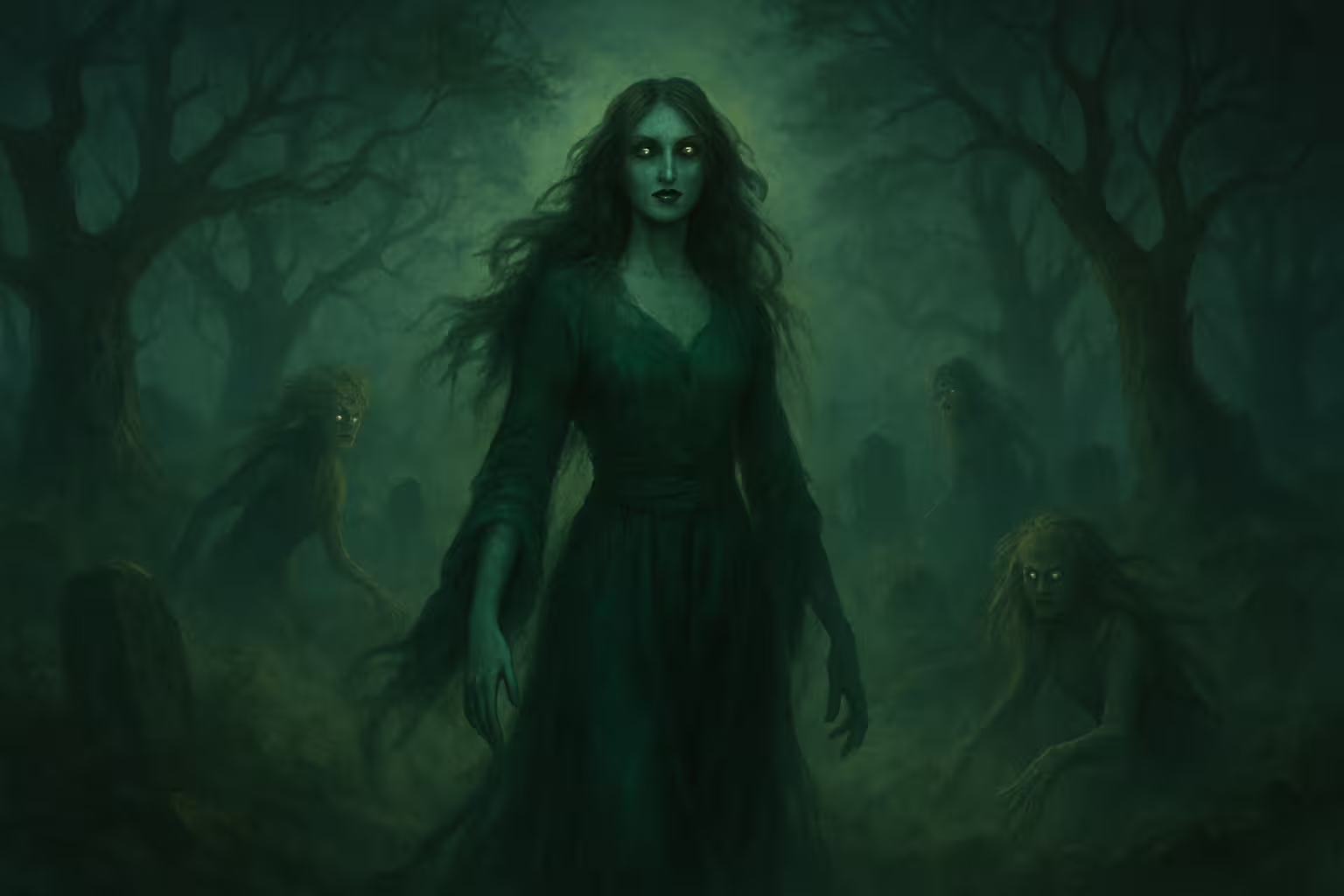
Aos Sí: Ireland’s Fairy Folk & The Otherworld Beneath the Hills
Read more: Aos Sí: Ireland’s Fairy Folk & The Otherworld Beneath the HillsThe Aos Sí are Ireland’s powerful fairy folk, dwelling in mounds and ringforts. Explore their myths, folklore, and enduring presence in Irish culture.
-
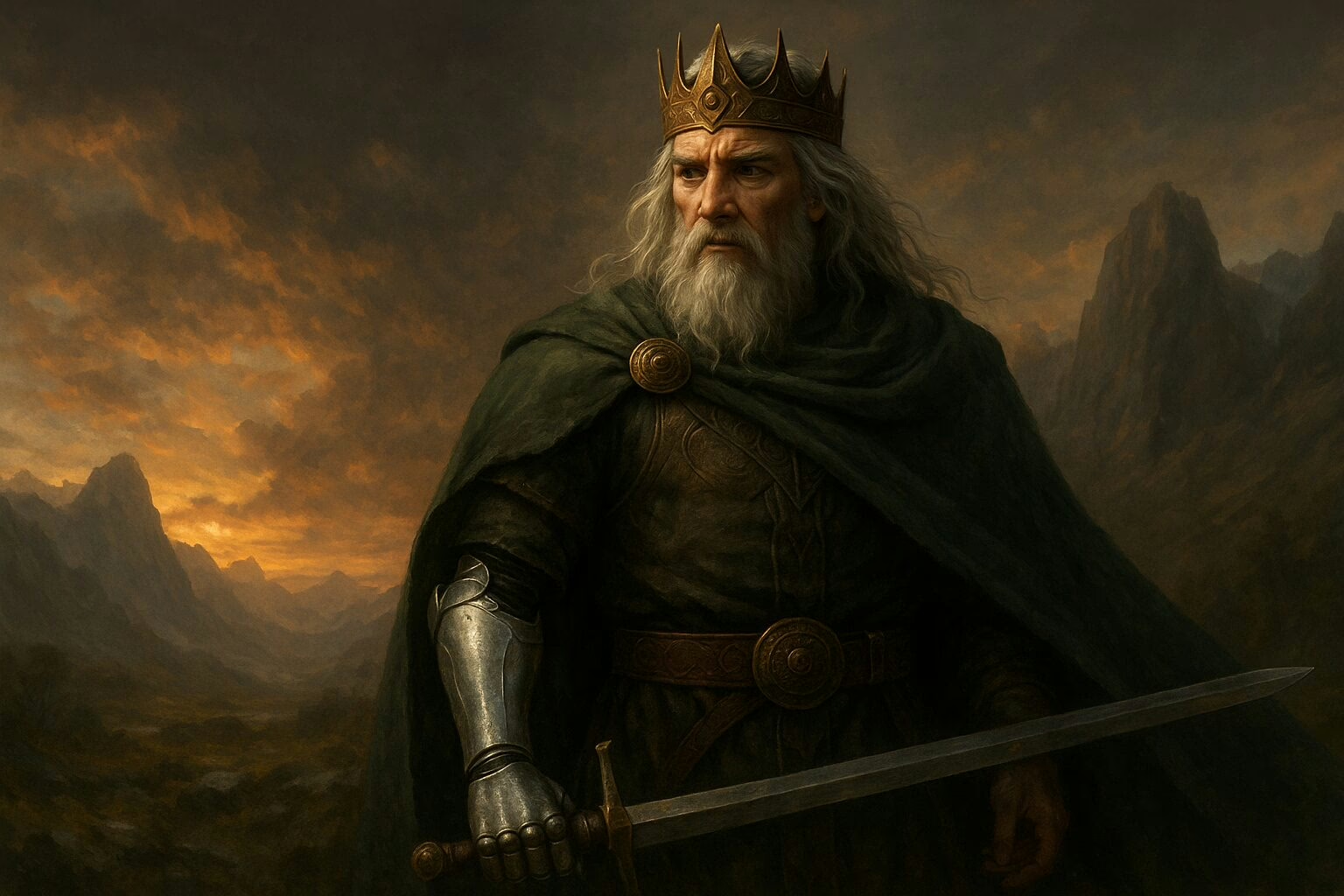
Nuada of the Silver Hand: King of the Tuatha Dé Danann in Irish Mythology
Read more: Nuada of the Silver Hand: King of the Tuatha Dé Danann in Irish MythologyNuada, the first king of the Tuatha Dé Danann, is a god of justice, sacrifice, and resilience. This post explores his myth, the meaning of his silver arm, and his enduring symbolism in Irish mythology and comparative traditions.
-
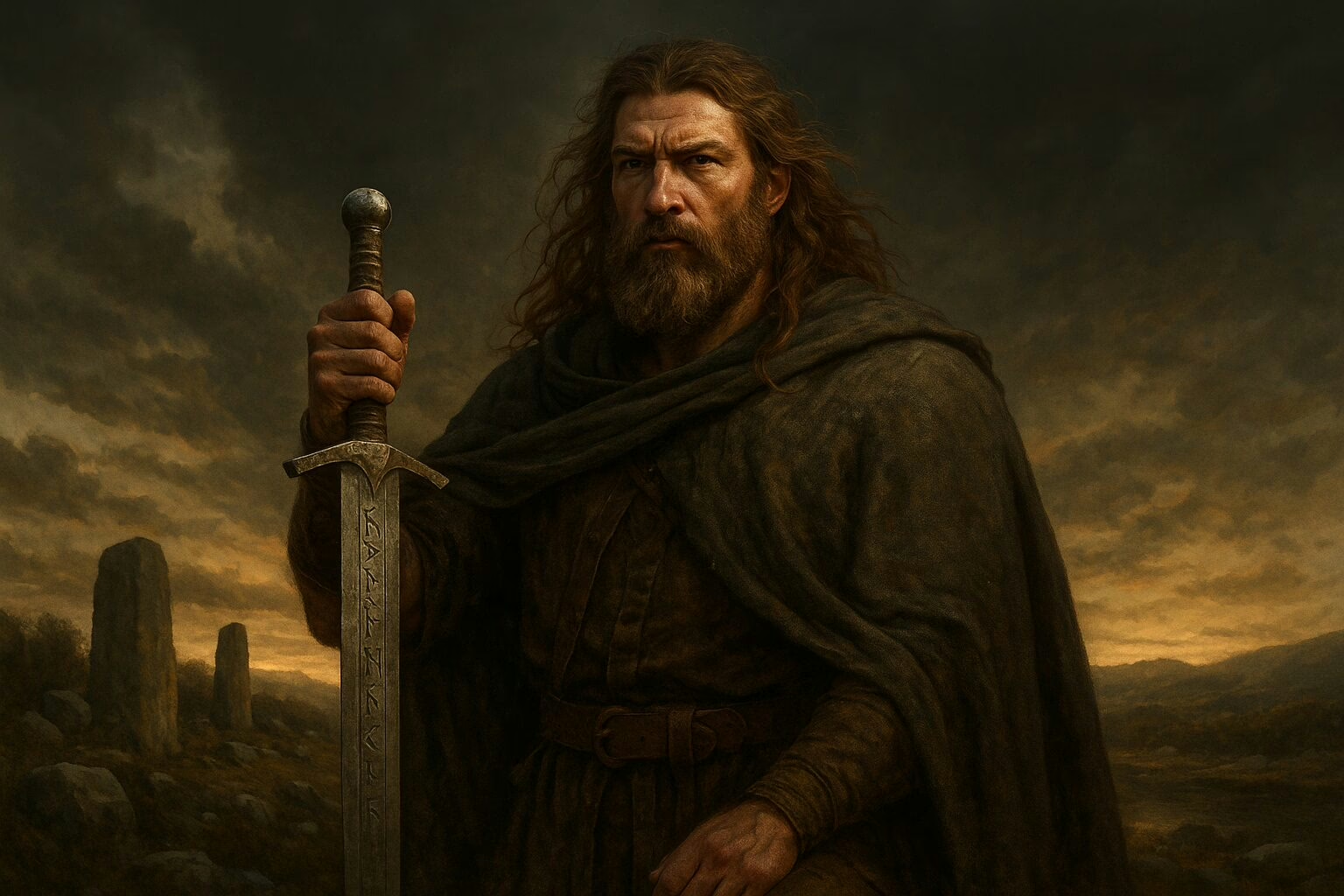
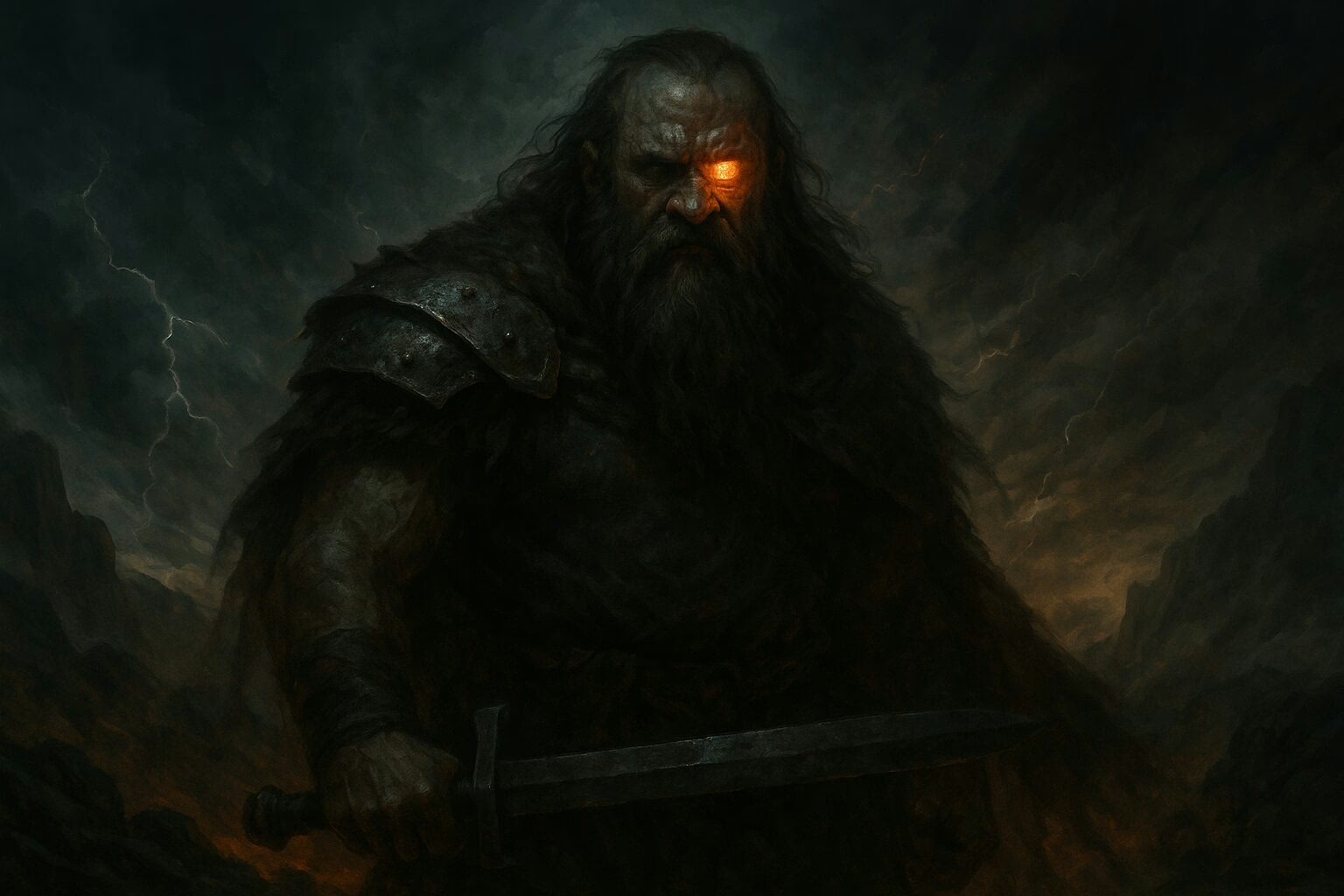
Balor of the Evil Eye: King of the Fomorians
Read more: Balor of the Evil Eye: King of the FomoriansBalor, the fearsome Irish god of destruction, was king of the Fomorians and bearer of the Evil Eye. Feared for his monstrous power, he stood against the Tuatha Dé Danann until prophecy — and his own grandson, Lugh — brought about his fall. This post explores Balor’s myth, role, and legacy.
Latest news
- Leprechauns in Irish Mythology: Origins, Meaning and Folklore Explained
- Belfast Historical Sites: Interactive Map
- Inch Abbey: The History of County Down’s Cistercian Monastery
- Stone Circles in Ireland
- Divis Mountain’s Bronze Age Homestead
Categories
- Book Reviews (5)
- Early Irish Christianity (9)
- Fiction (2)
- Historical Sites (24)
- Irish gods (11)
- Irish History (42)
- Irish language (7)
- Irish Mythology (28)
- Mythical Creatures (9)