Irish History
-
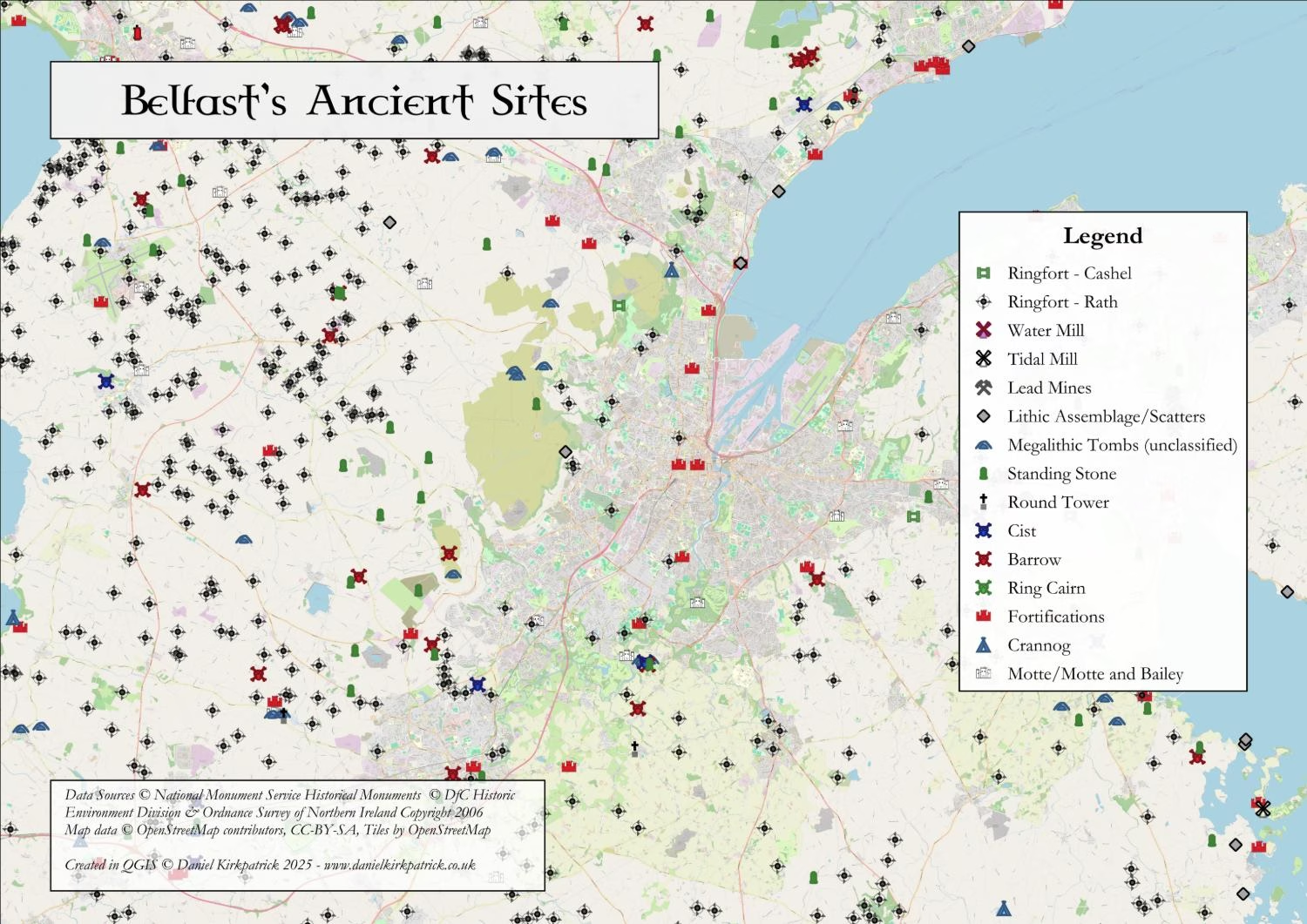
Belfast Historical Sites: Interactive Map
Read more: Belfast Historical Sites: Interactive MapAs a resident of Belfast myself, I like to think I know its history well. Indeed I prided myself on the point, that is until I created this map. Not only does it show the scale and breadth of history, it reveals just how hidden much of it remains. So the interactive map of historical…
-
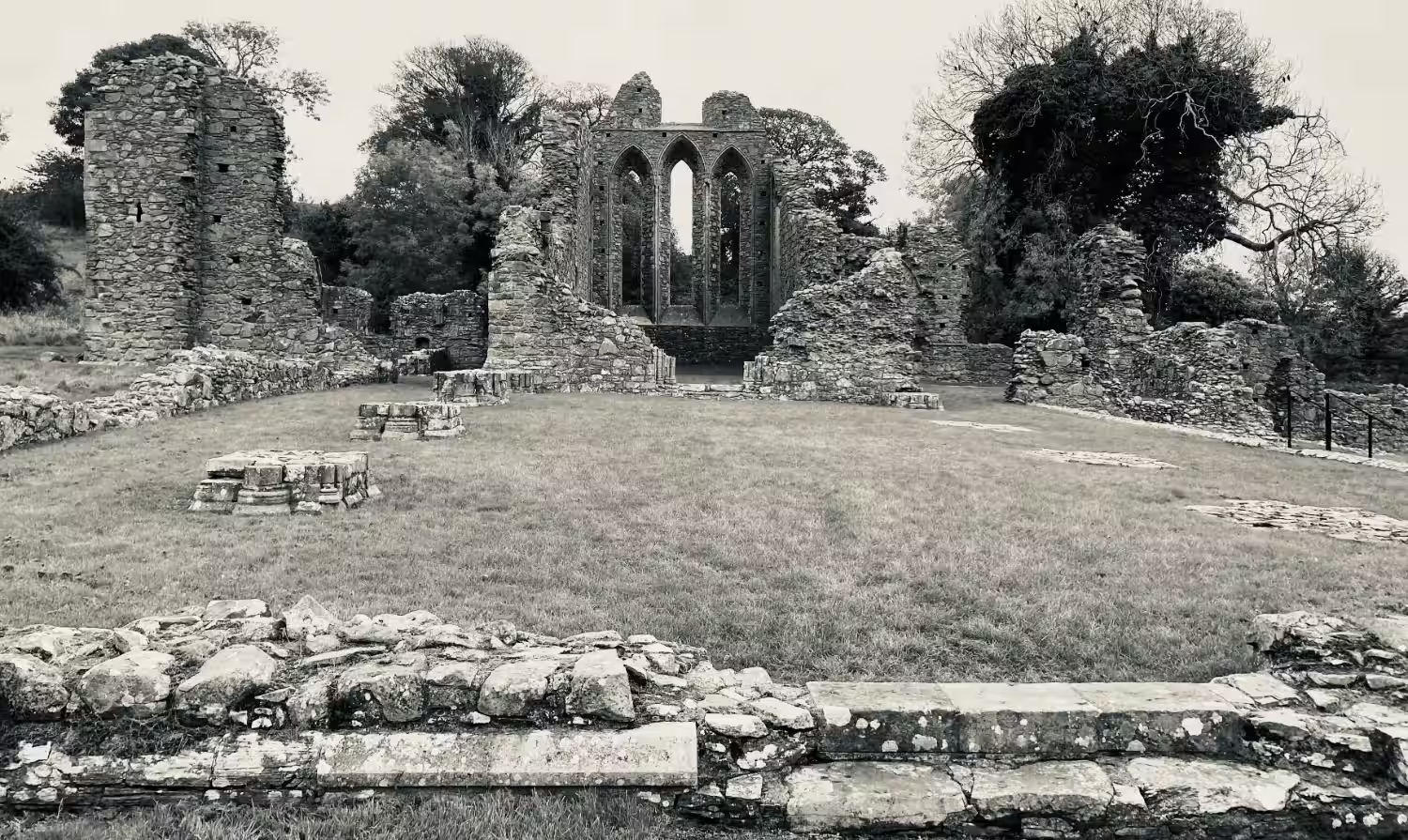
Inch Abbey: The History of County Down’s Cistercian Monastery
Read more: Inch Abbey: The History of County Down’s Cistercian MonasteryFounded around 1180 by John de Courcy, Inch Abbey near Downpatrick stands as one of Ireland’s best-preserved medieval monasteries, offering a remarkable glimpse into Cistercian life and Norman Ulster.
-

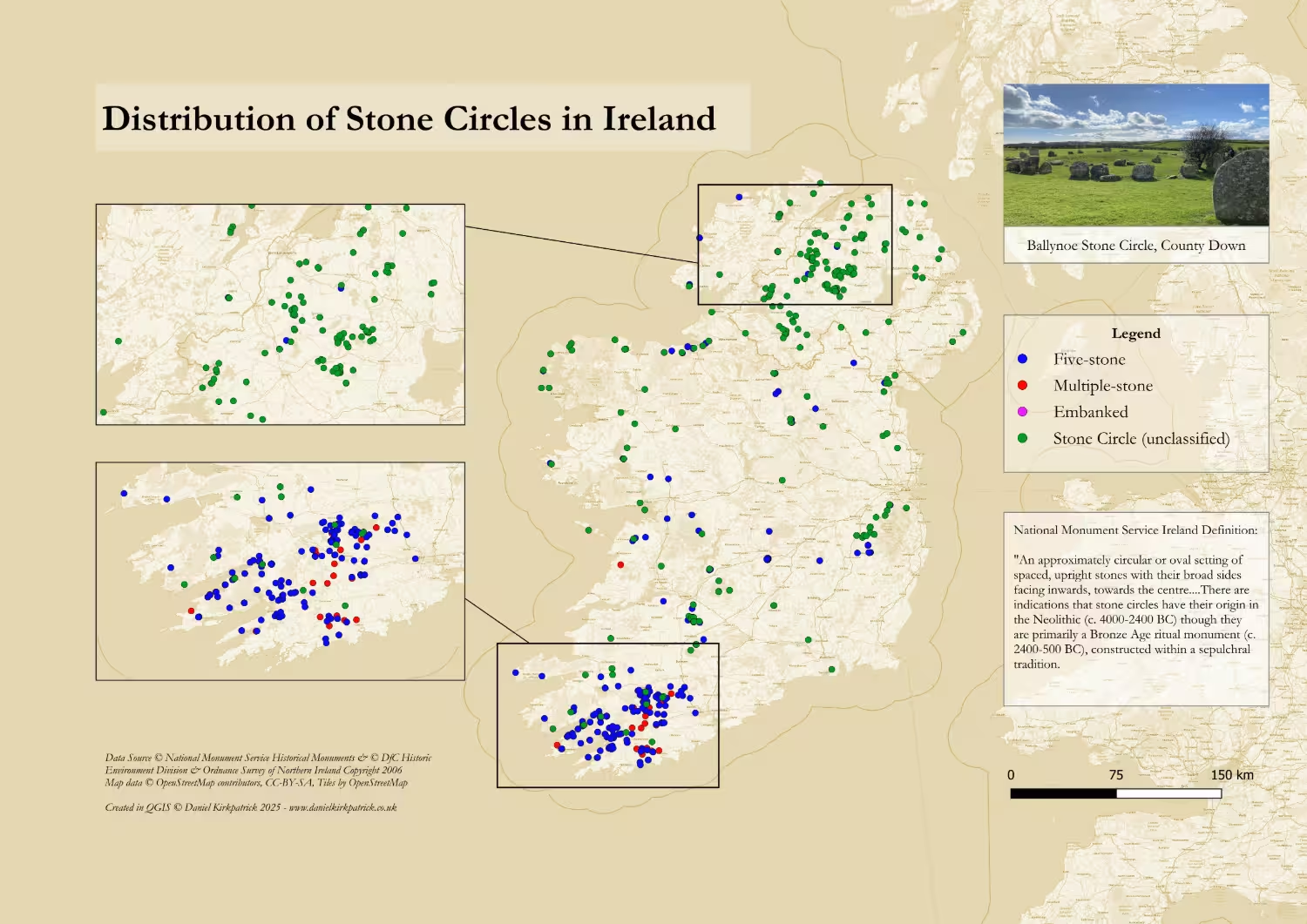
Stone Circles in Ireland
Read more: Stone Circles in IrelandIf you were to ask anyone to name a megalithic monument, almost all will point to Stonehenge. And understandably so. But as impressive as it is, there are literally hundreds of other stone circles in Ireland alone. Many are bigger. Many are much more striking settings. Reducing megalithic history to a single site misses the…
-

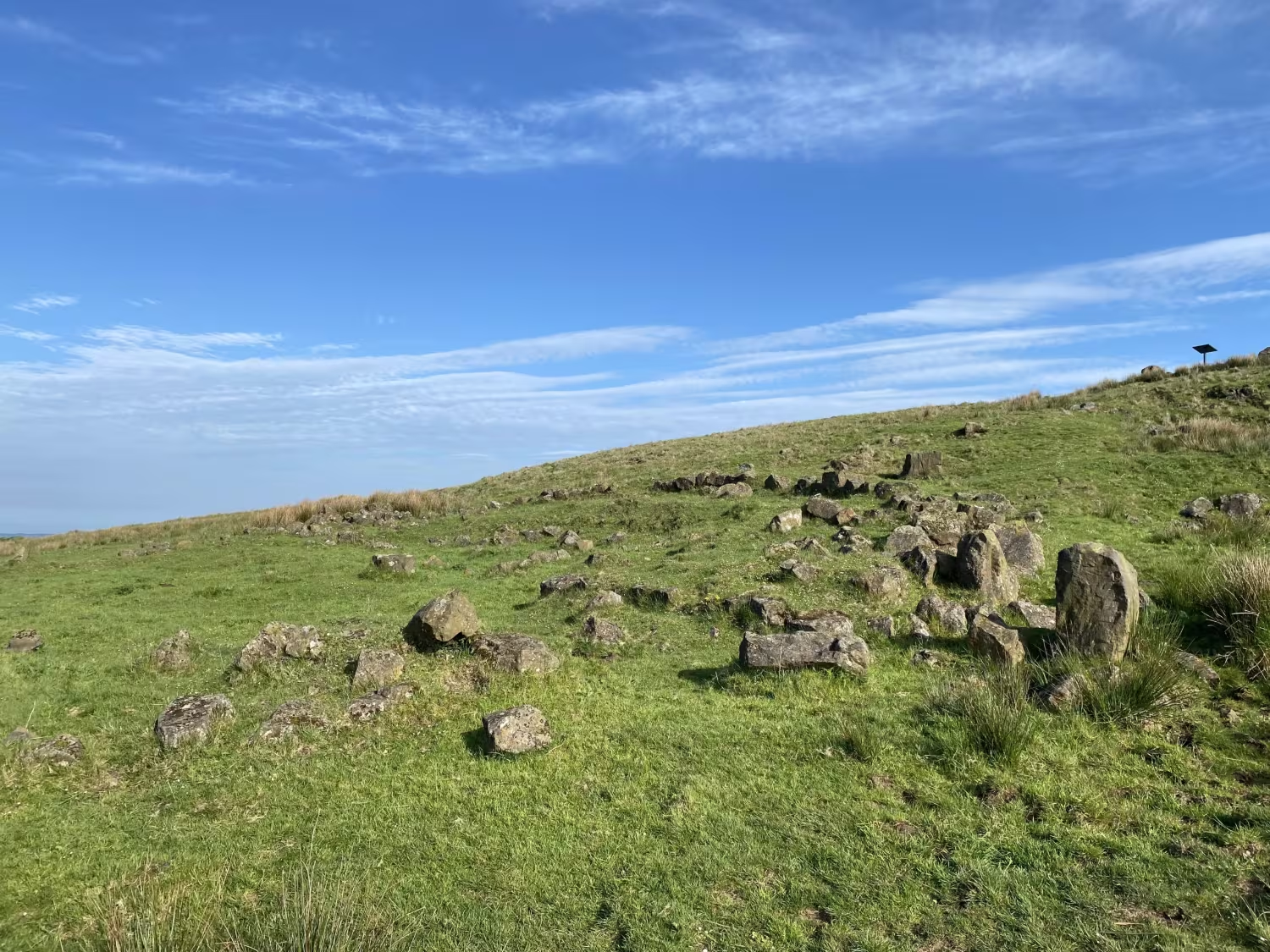
Divis Mountain’s Bronze Age Homestead
Read more: Divis Mountain’s Bronze Age HomesteadHigh on Divis Mountain, traces of a Bronze Age homestead reveal how Ireland’s early farmers lived and worked over three millennia ago. Once part of a network of upland settlements across the island, the Divis site sheds light on daily life, adaptation, and survival in prehistoric Ireland’s changing landscape.
-
Struell Wells: Medieval Healing Wells of St Patrick
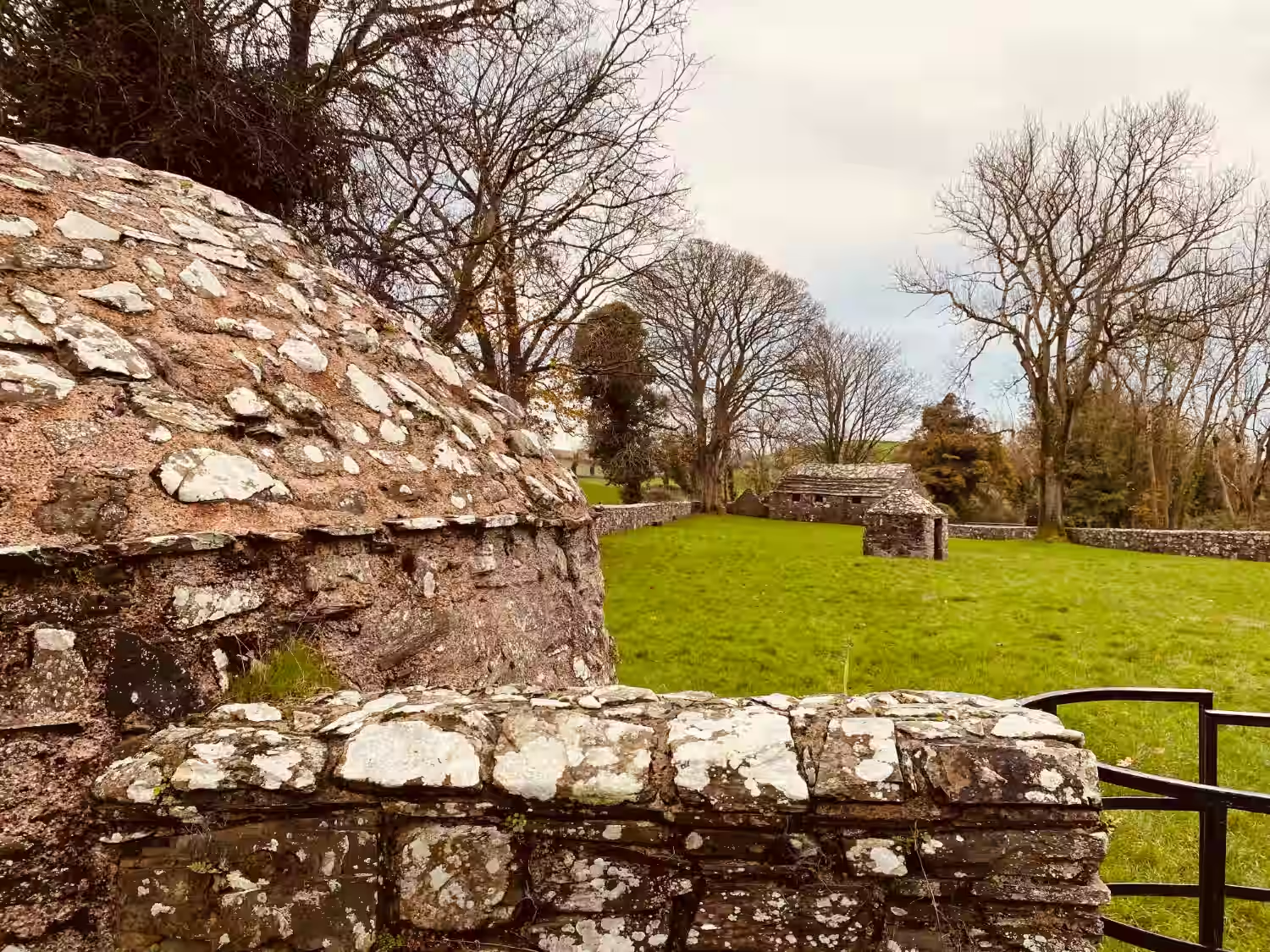
Read more: Struell Wells: Medieval Healing Wells of St PatrickNestled near Downpatrick, Struell Wells stands among Ireland’s most evocative holy sites — a place where ancient ritual, faith, and healing meet. This post explores its origins, its link to St Patrick, and what archaeology reveals about centuries of devotion.
-

Carrickfergus Castle: Ulster’s Medieval Stronghold
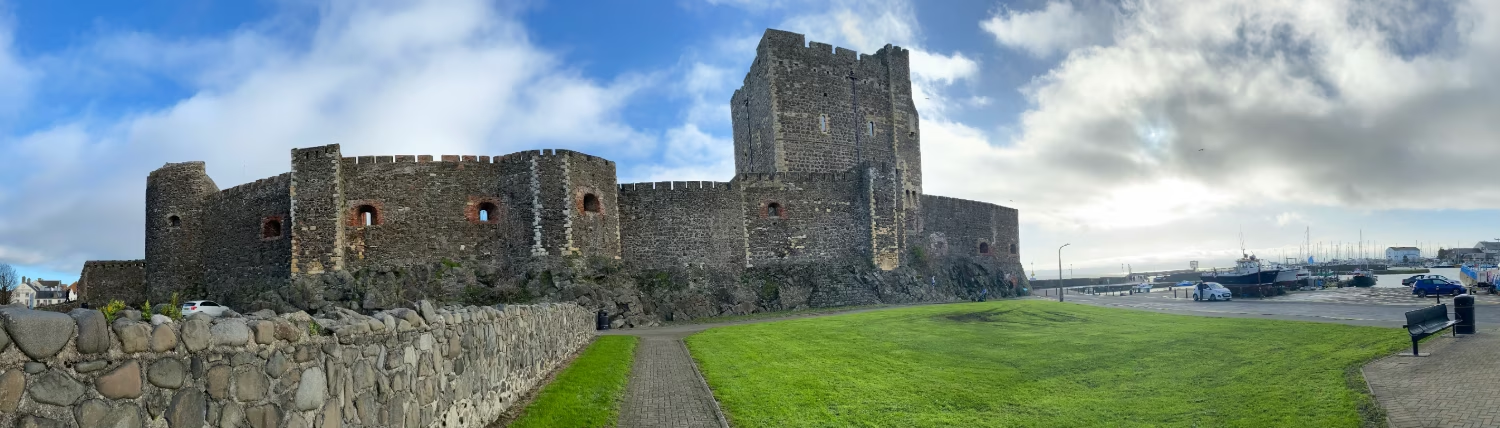
Read more: Carrickfergus Castle: Ulster’s Medieval StrongholdCarrickfergus Castle stands as one of the most remarkable medieval fortresses in Ireland. Built by John de Courcy in the late twelfth century, it served as a gateway to Norman Ulster and a symbol of enduring power. Its layered defences, maritime position, and long history of occupation capture the shifting landscape of medieval Ireland.
-

Iron Age Irish Weapons: Celtic Warfare in Ancient Ireland
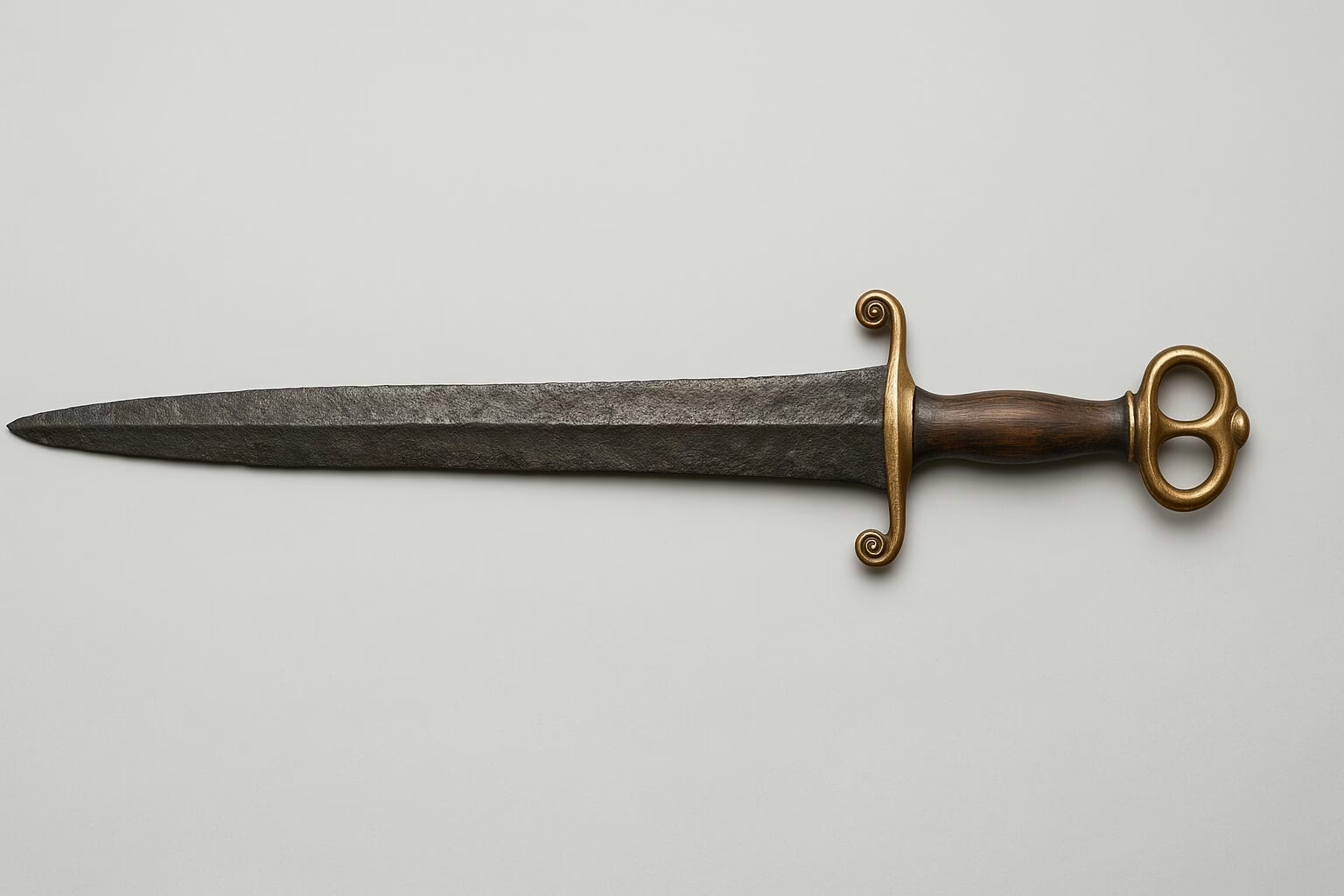
Read more: Iron Age Irish Weapons: Celtic Warfare in Ancient IrelandExplore the distinctive world of Iron Age Irish weapons, from short swords and socketed spears to the ritual deposition of arms in bogs and lakes. Discover how these artefacts reveal a culture where warfare, religion, and social identity were deeply entwined.
-
Dundrum Castle: From Ancient Fort to Norman Stronghold
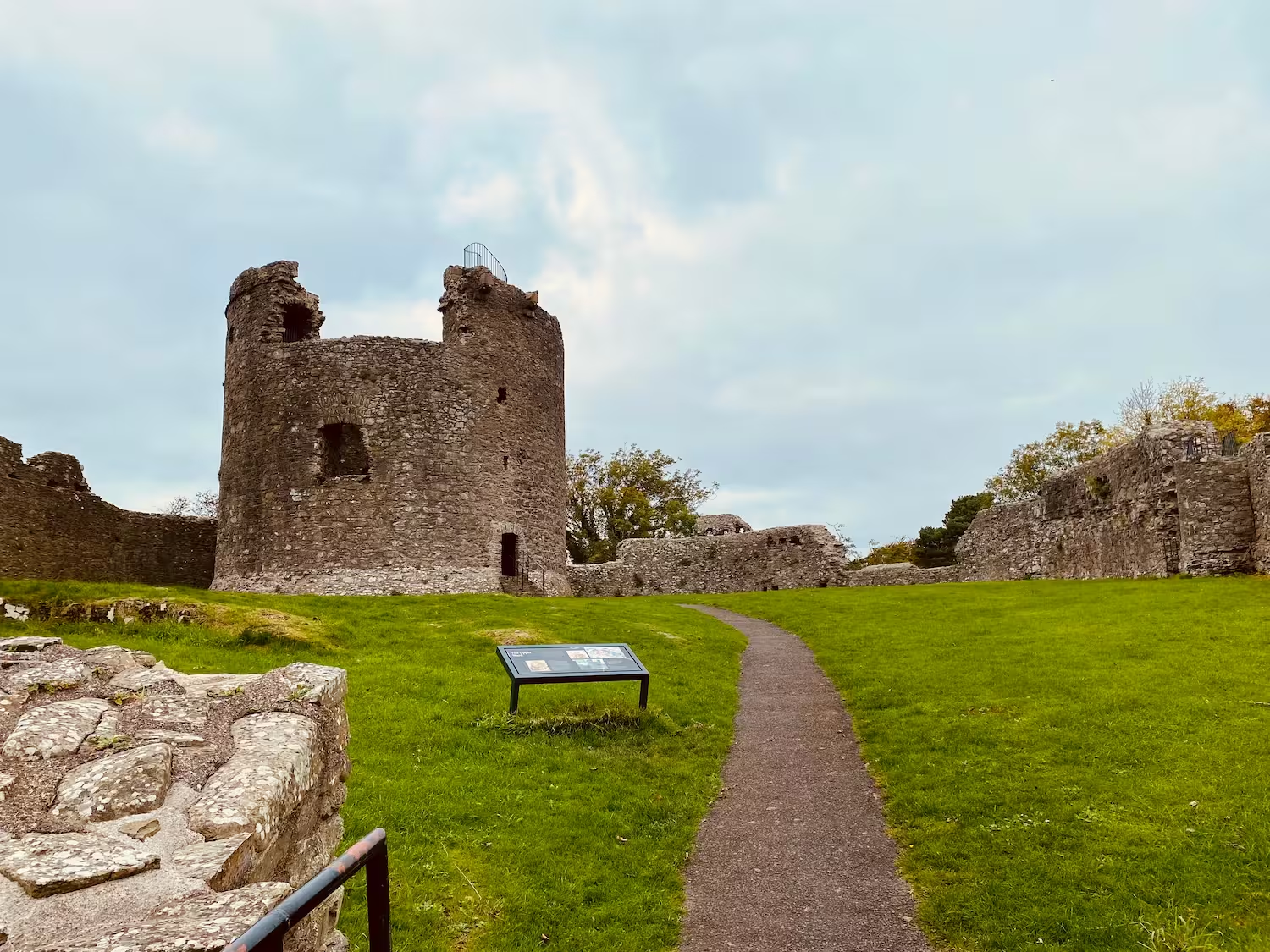
Read more: Dundrum Castle: From Ancient Fort to Norman StrongholdPerched high above Dundrum Bay, Dundrum Castle has guarded the Mournes for nearly a thousand years. Yet its story begins long before the Normans arrived — in an early Christian fort and a prehistoric landscape marked by the Slidderyford Dolmen. This post explores how Dundrum evolved from ancient settlement to one of Ulster’s most remarkable…
-
Barrows of Ireland: Mapping Ireland’s Prehistoric Burial Mounds
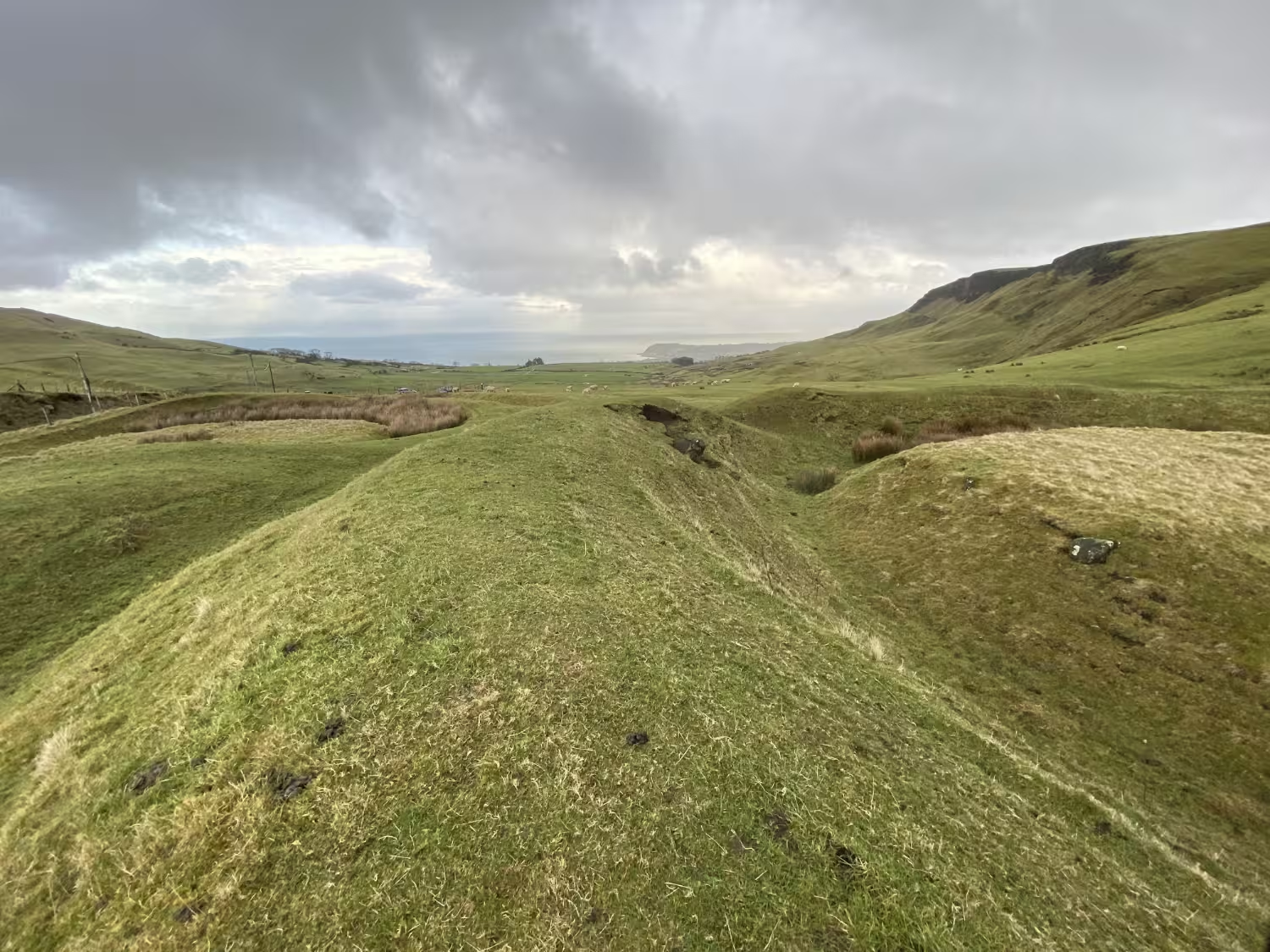
Read more: Barrows of Ireland: Mapping Ireland’s Prehistoric Burial MoundsAcross Ireland’s farmland lie low grassy mounds that most people pass without a second glance. These are barrows, the burial monuments of later prehistory, still shaping how the dead were remembered thousands of years ago.
-

Bullaun Stones of Ireland: Mapping the Sacred Basins
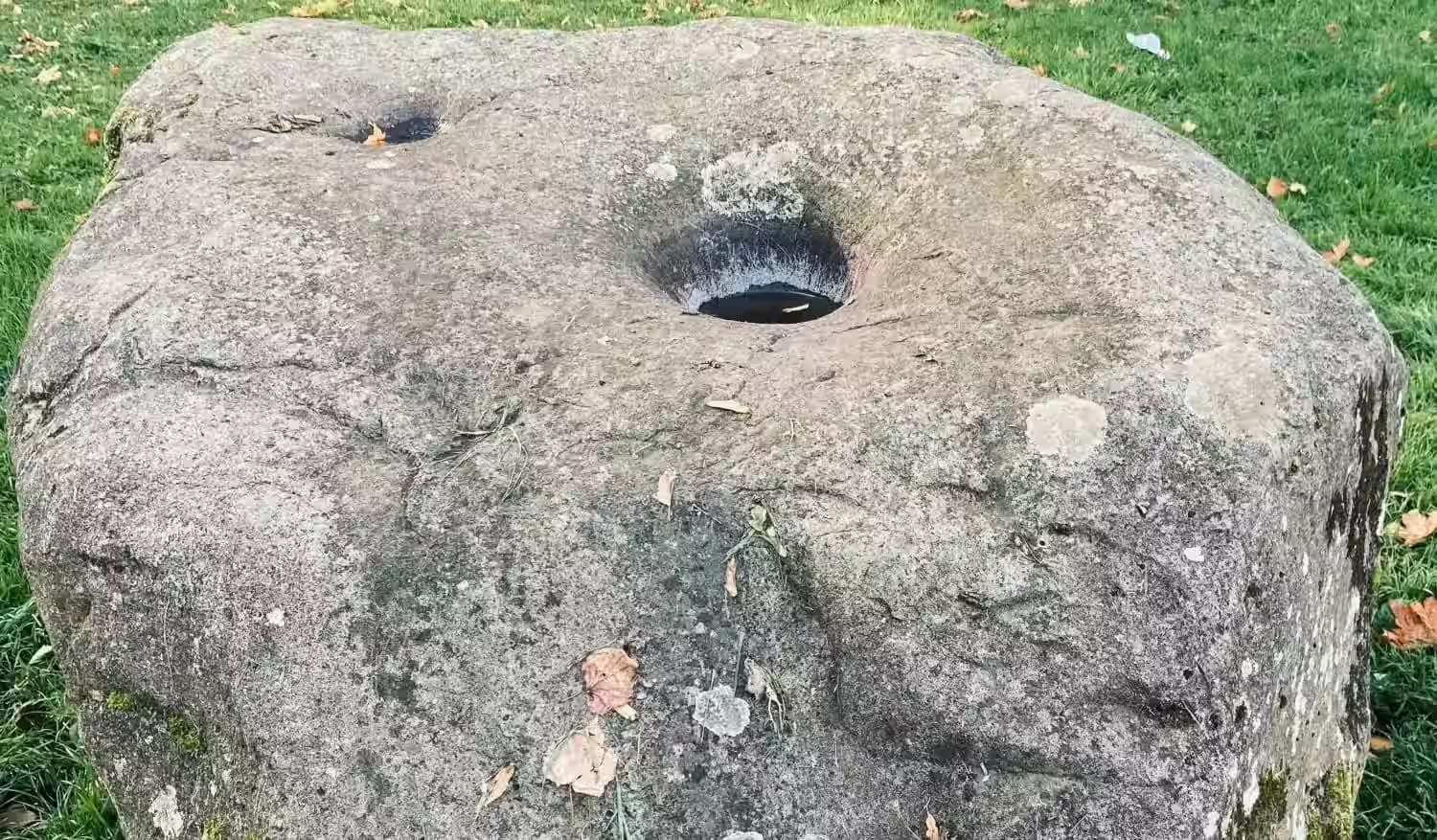
Read more: Bullaun Stones of Ireland: Mapping the Sacred BasinsBullaun stones appear across Ireland in churchyards, fields, and forgotten holy places. This interactive map brings every known site together while exploring what these mysterious carved basins meant to the people who shaped them.
Latest news
- Leprechauns in Irish Mythology: Origins, Meaning and Folklore Explained
- Belfast Historical Sites: Interactive Map
- Inch Abbey: The History of County Down’s Cistercian Monastery
- Stone Circles in Ireland
- Divis Mountain’s Bronze Age Homestead
Categories
- Book Reviews (5)
- Early Irish Christianity (9)
- Fiction (2)
- Historical Sites (24)
- Irish gods (11)
- Irish History (42)
- Irish language (7)
- Irish Mythology (28)
- Mythical Creatures (9)