Irish History
-
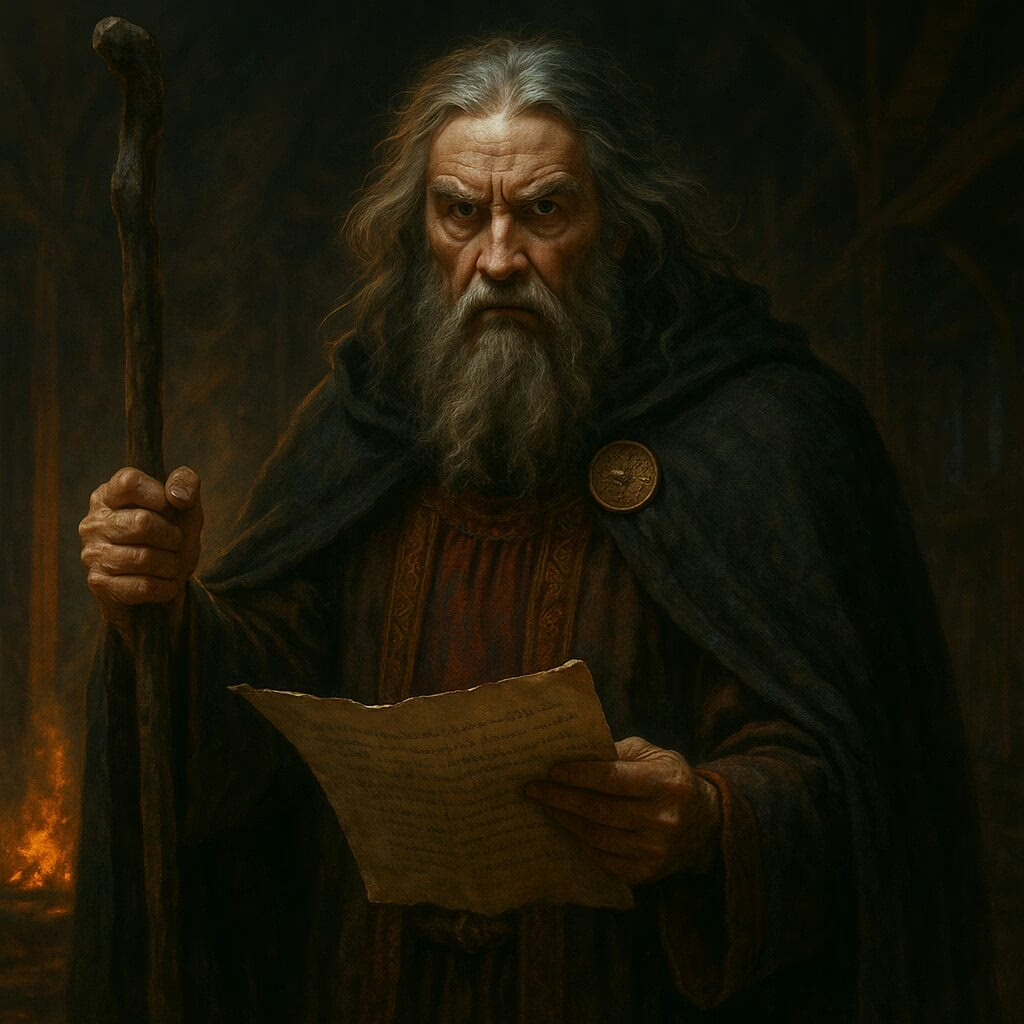
The Brehon Laws: How Ireland’s Ancient Legal System Really Worked
Read more: The Brehon Laws: How Ireland’s Ancient Legal System Really WorkedLong before English common law, Ireland was governed by a rich system of native justice: the Brehon Laws. Rooted in Gaelic society, these complex codes addressed everything from land rights and marriage to crime and compensation—not through punitive prisons, but through honour, restitution and community. This post explores how these laws shaped daily life in…
-
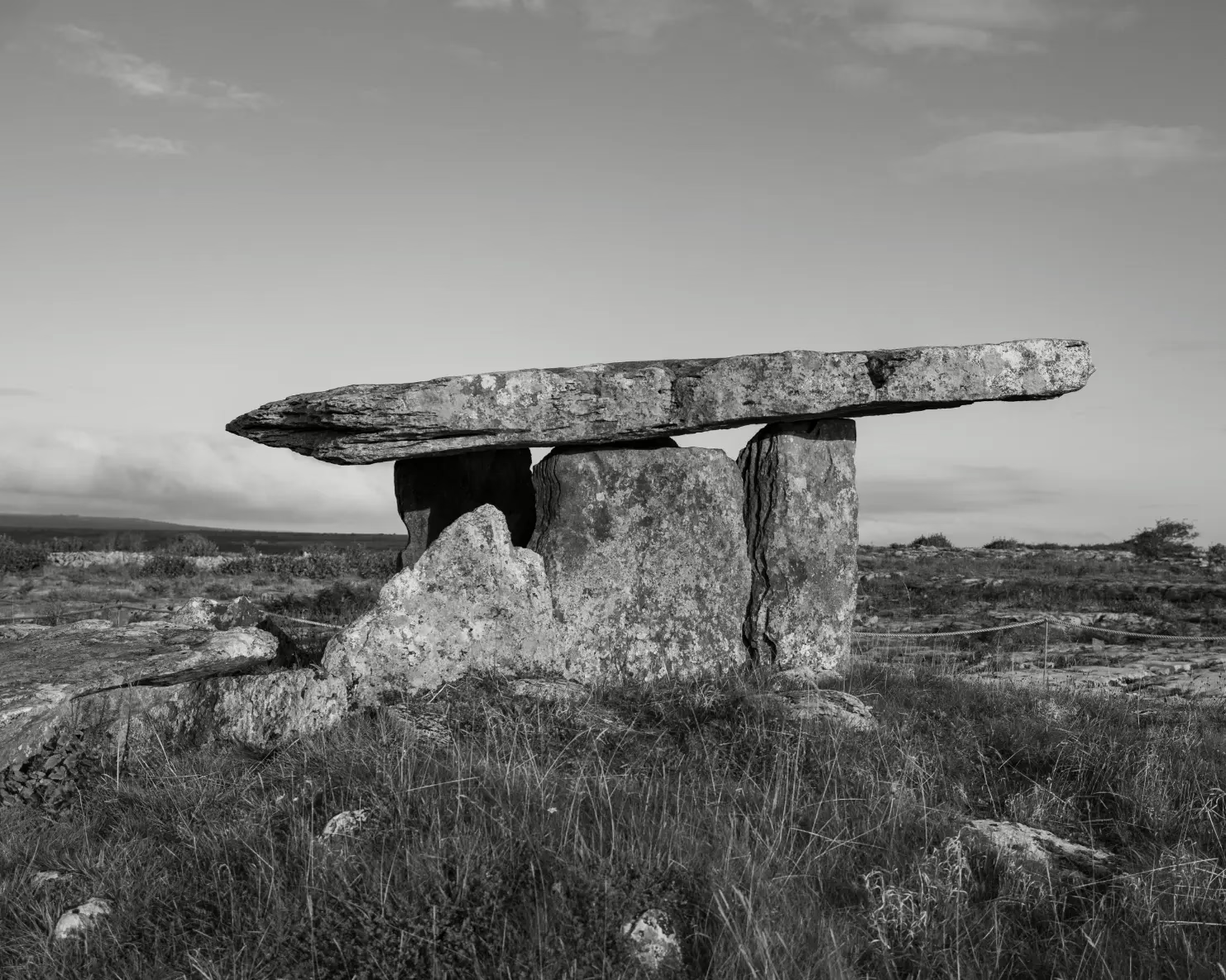
Irish Megaliths: Henges, Portal & Passage Tombs & Stone Circles
Read more: Irish Megaliths: Henges, Portal & Passage Tombs & Stone CirclesDiscover the main types of Irish megaliths—from ritual henges and burial cists to iconic passage and court tombs, plus stone circles scattered across the landscape. This guide explains each monument’s form and function, illustrated with key examples like Newgrange and Poulnabrone. Whether you’re a history enthusiast or planning a heritage tour, learn how these ancient…
-

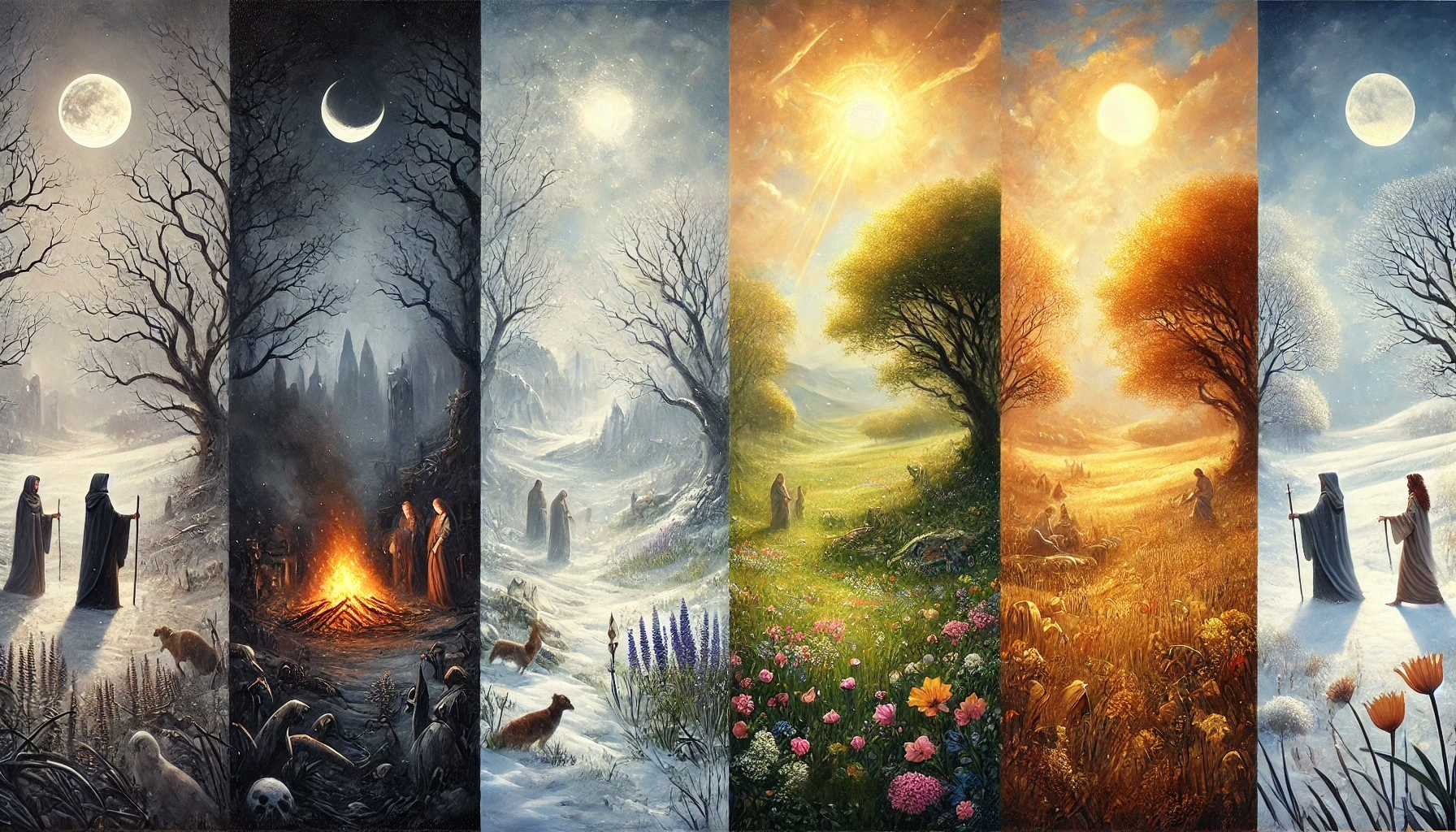
Ancient Celtic Festival Calendar: 8 Key Dates
Read more: Ancient Celtic Festival Calendar: 8 Key DatesFrom Samhain to Lughnasadh, this post outlines the eight pivotal festivals of the ancient Celtic calendar, explaining when each occurs and its cultural significance. Learn how these seasonal rituals shaped early Irish life and still echo in Ireland today.
-

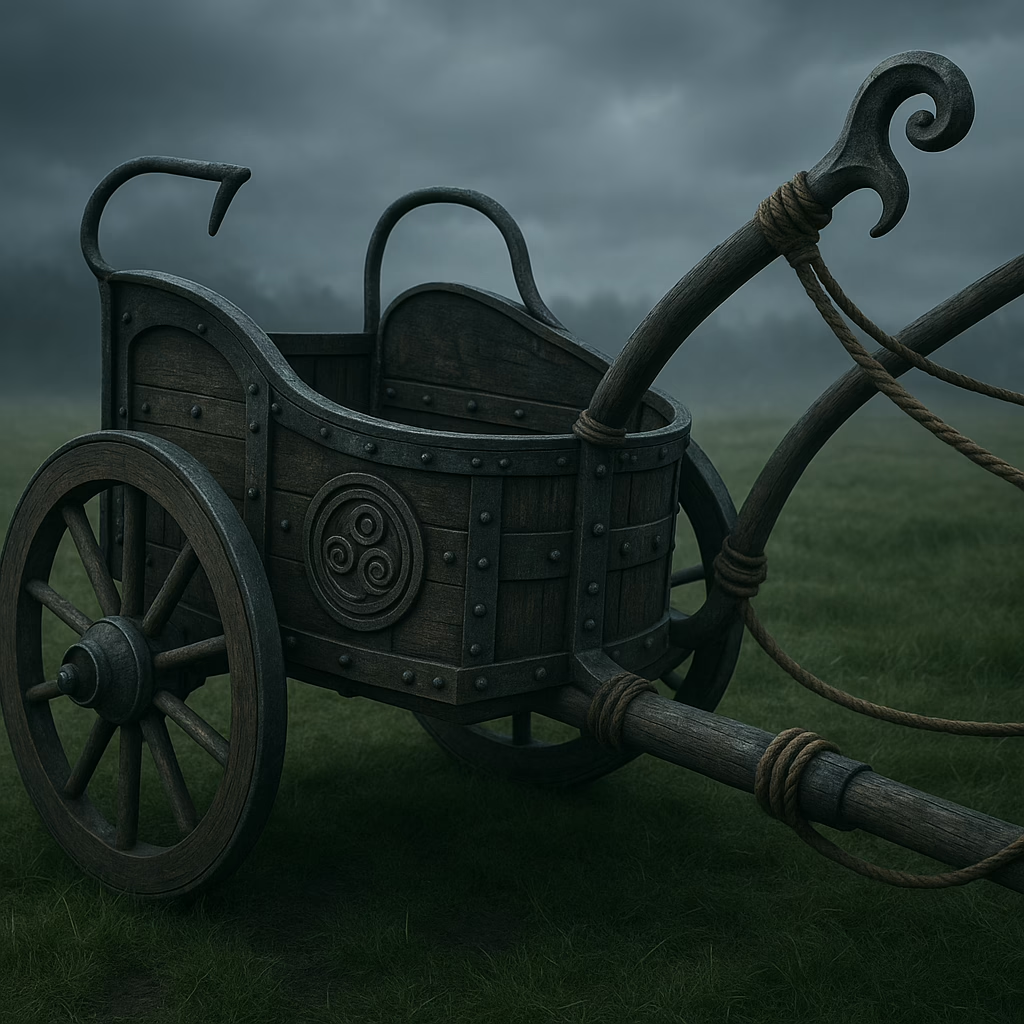
Irish war chariots: Celtic war machines and symbols of power
Read more: Irish war chariots: Celtic war machines and symbols of powerJust as modern cars show status, Ireland’s Iron-Age chariots were powerful status symbols. Explore their unique design, roles in Celtic society, and the legendary race of the goddess Macha.
-

Irish Celtic Druids: Healers, Judges & Ancient Irish Wisdom
Read more: Irish Celtic Druids: Healers, Judges & Ancient Irish WisdomIrish Celtic druids were ancient Ireland’s elite scholars: priests, judges, and healers who wielded law and lore. This article explores who they were, what roles they played, and why they matter in Irish history and mythology.
-

Etymology of Irish Animal Names: Myth & Language Revealed
Read more: Etymology of Irish Animal Names: Myth & Language RevealedExplore the etymology of Irish animal names—cú, bradán, each—and uncover their mythological, legal, and cultural roots in Celtic Ireland.
-

Nendrum Monastic Site: History, Tidal Mill & Irish Monastic Life
Read more: Nendrum Monastic Site: History, Tidal Mill & Irish Monastic LifeNendrum Monastic Site on Mahee Island is Northern Ireland’s best-preserved early-Christian monastery. Founded c. AD 450 by St Mochaoi, its triple stone cashels, unique 7th-century tidal mill and stunning Strangford Lough views reveal a community where faith met engineering genius. Free to visit year-round, it’s a must-see for Irish history lovers.
-

Ballyaghagan Cashel: Belfast Hills Stone Ringfort Guide
Read more: Ballyaghagan Cashel: Belfast Hills Stone Ringfort GuideBallyaghagan Cashel crowns Cave Hill 275 m above Belfast—a stone ringfort 42 m wide that housed farmers a millennium ago and hides even older flint scatters beneath its walls. Today a short stroll from Upper Hightown Road car park rewards visitors with panoramic views, Iron-Age ambience and a tangible link to the city’s forgotten past.
-

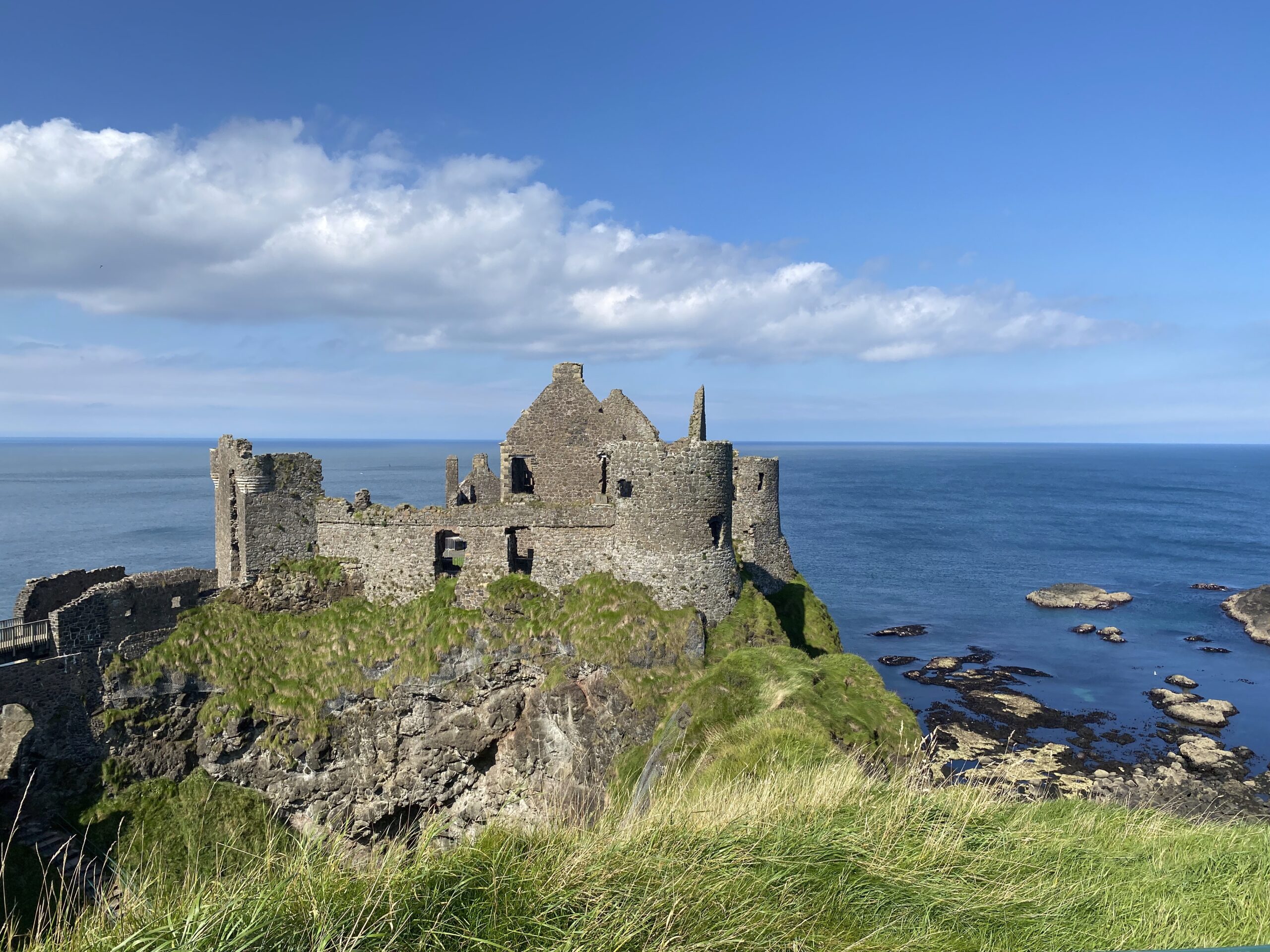
Dunluce Castle: Gaelic Fortress that Shaped Ulster’s Medieval History
Read more: Dunluce Castle: Gaelic Fortress that Shaped Ulster’s Medieval HistoryClinging to the edge of Antrim’s cliffs, Dunluce Castle has witnessed centuries of storm, siege, and legend. Once home to earls and warriors, its ruins now tell quieter tales — of ambition, collapse, and the shifting tides of Irish history.
-
Corrstown Bronze Age Village: Ireland’s Largest Settlement
Read more: Corrstown Bronze Age Village: Ireland’s Largest SettlementCorrstown, just outside Portrush, stunned archaeologists in 2002 with 74 roundhouses linked by cobbled lanes—one of the largest Middle-Bronze Age villages uncovered in Britain or Ireland. Radiocarbon dates of c. 1700-1200 BC, 16,500 flint pieces and 9,000 pottery sherds now illuminate daily life on the Atlantic fringe.
Latest news
- Carrickfergus Castle: Ulster’s Medieval Stronghold
- Iron Age Irish Weapons: Celtic Warfare in Ancient Ireland
- Dundrum Castle: From Ancient Fort to Norman Stronghold
- Ogma: Irish God of Strength, Language, and Ogham
- Barrows of Ireland: Mapping Ireland’s Prehistoric Burial Mounds
Categories
- Book Reviews (5)
- Early Irish Christianity (7)
- Fiction (2)
- Historical Sites (21)
- Irish gods (10)
- Irish History (37)
- Irish language (7)
- Irish Mythology (24)
- Mythical Creatures (6)