Irish History
-
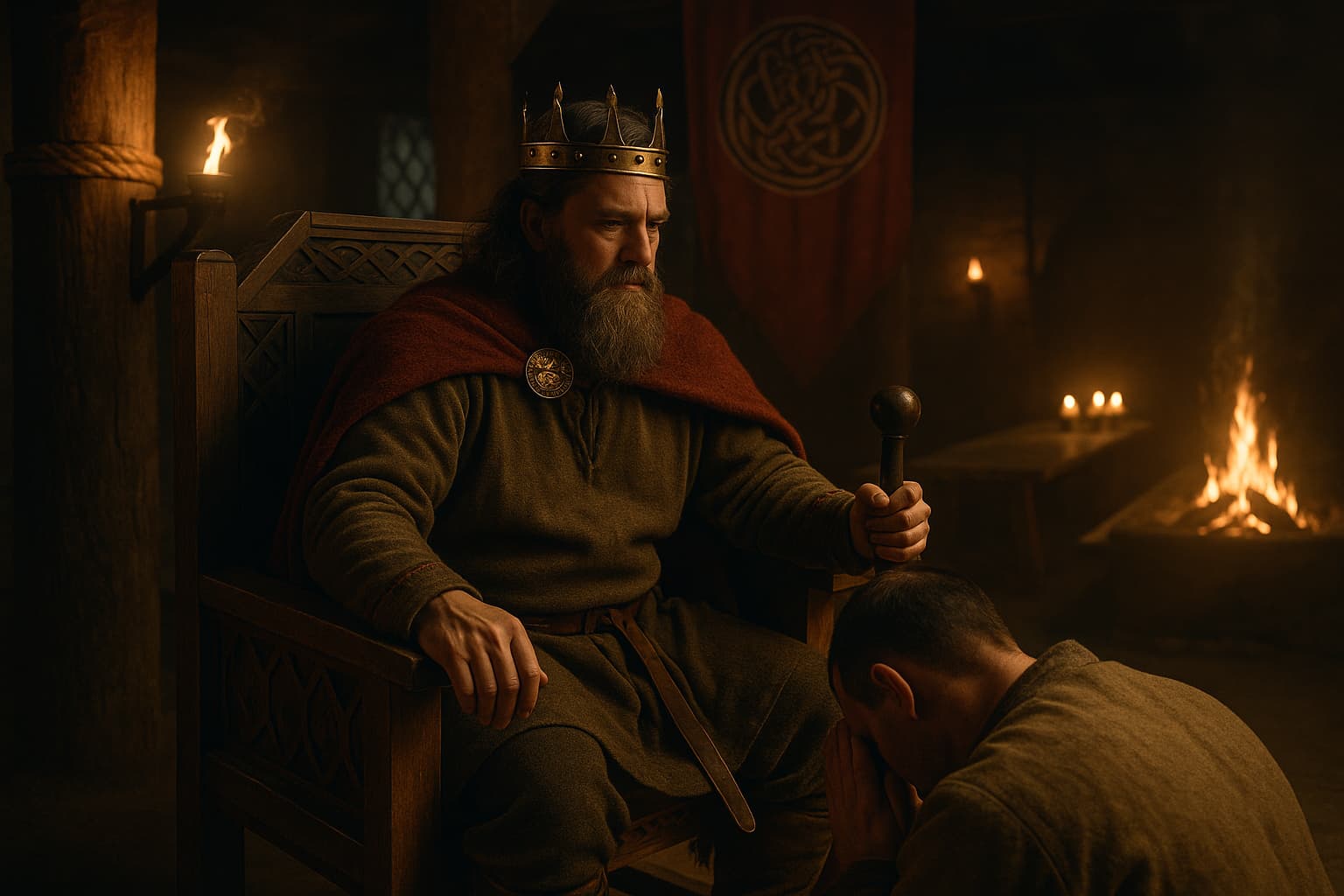
Ancient Irish Society: Language, Law & the Structures of Kinship
Read more: Ancient Irish Society: Language, Law & the Structures of KinshipHow was ancient Irish society structured before the Norman invasion? This post explores the túath (tribe), fine (kin-group), kingship, and the role of Brehon law in shaping daily life. Drawing on linguistic roots and the latest research in archaeology and history, it offers a clear and accessible overview of Ireland’s Iron Age social fabric.
-
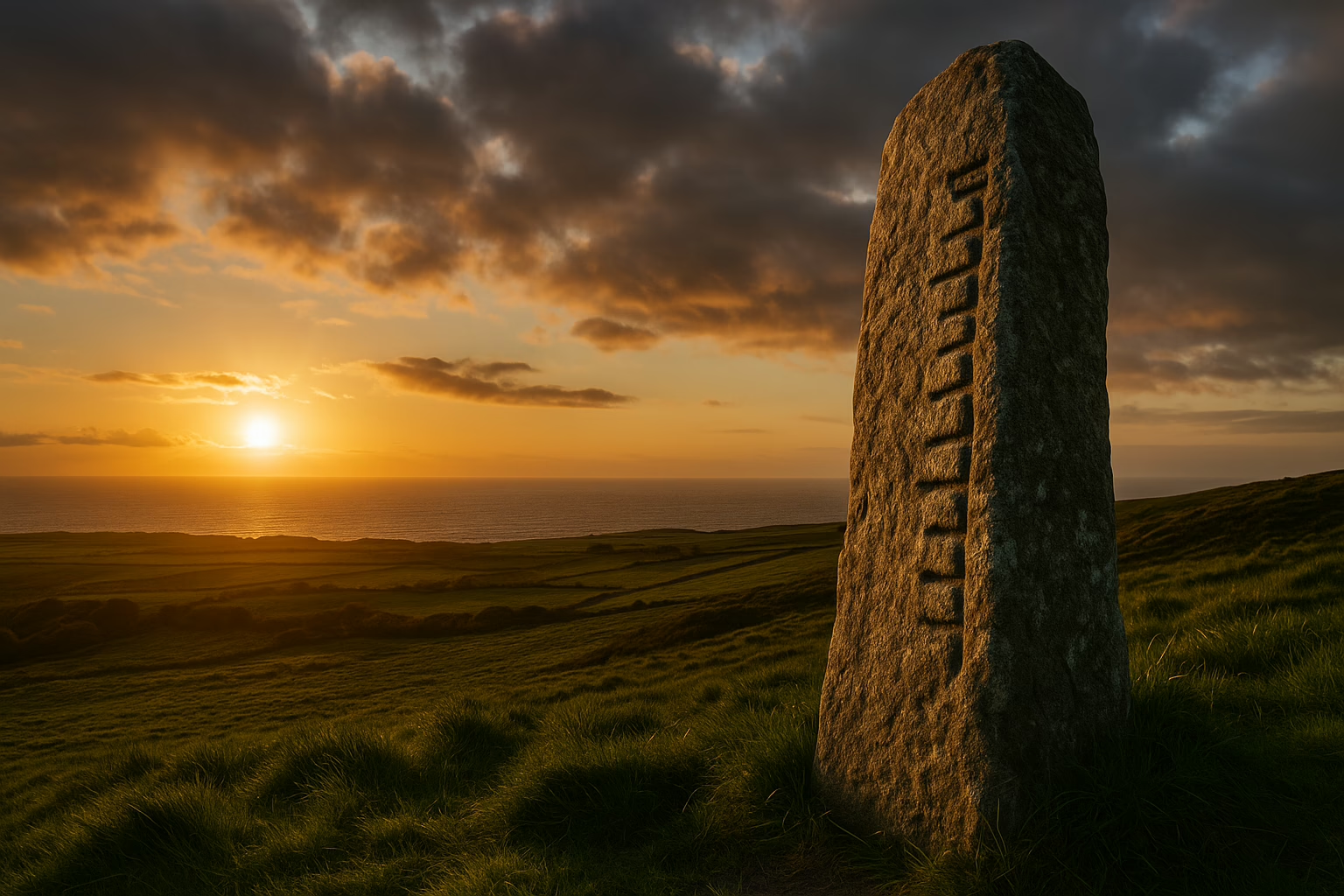
Ogham Tree Alphabet: Irish Script, Meaning & Origins
Read more: Ogham Tree Alphabet: Irish Script, Meaning & OriginsThe Ogham alphabet—20 sharp strokes named after trees—records Ireland’s oldest written words. Carved on stone pillars from Kerry to Pembrokeshire, this 5th-century script holds clan names, boundary claims and a hint of druid lore. Decode its notches, track new finds and see how Ogham still inspires tattoos and typefaces today.
-
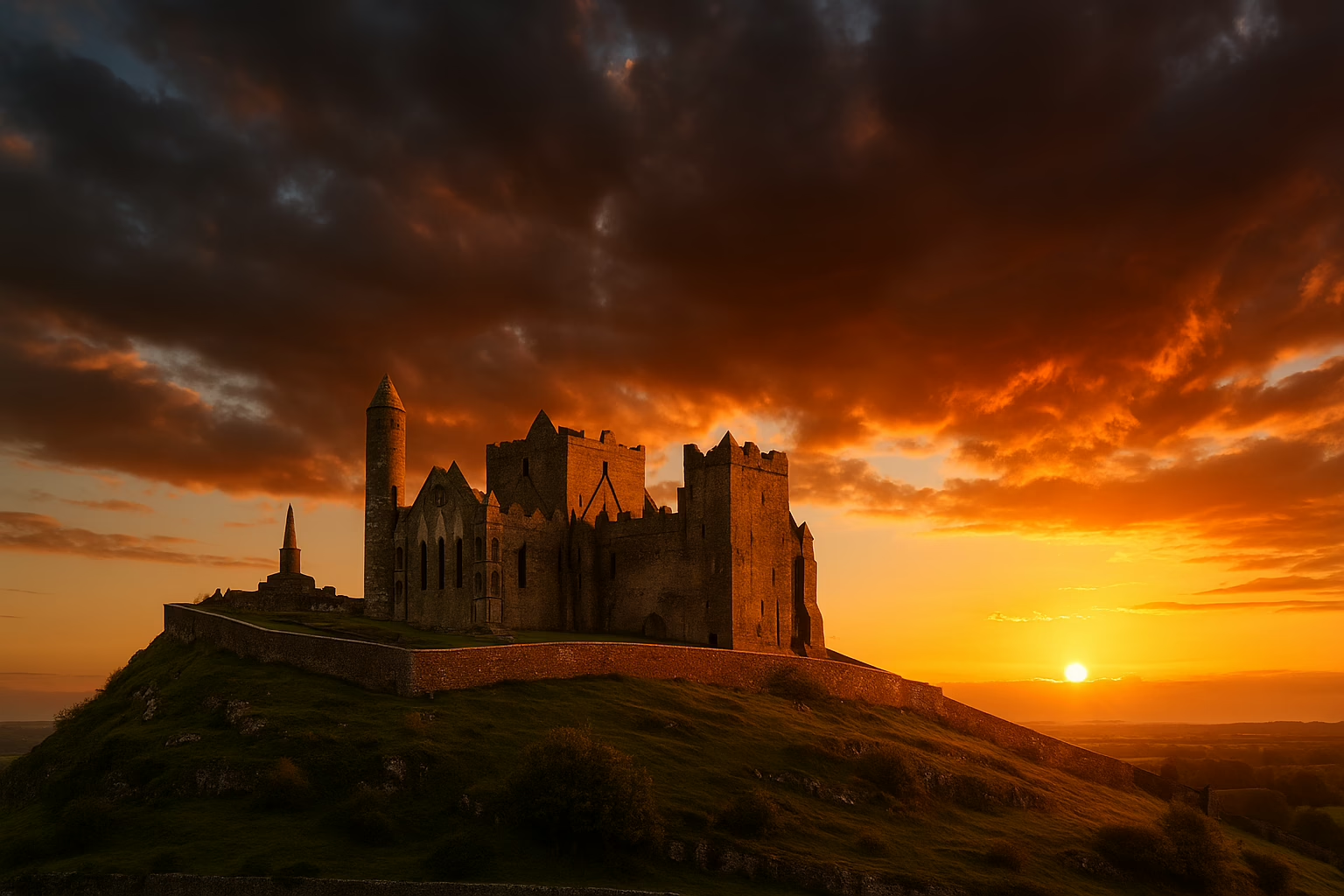
The Rock of Cashel: History, Kingship and the Sacred Heart of Medieval Munster
Read more: The Rock of Cashel: History, Kingship and the Sacred Heart of Medieval MunsterPerched above Tipperary’s Golden Vale, the Rock of Cashel (Carraig Phádraig) rose from a royal hill-fort to a 12th-century ecclesiastical powerhouse. But its ancient roots claim to go back much further into Iron Age Ireland. Here we explore the evidence.
-

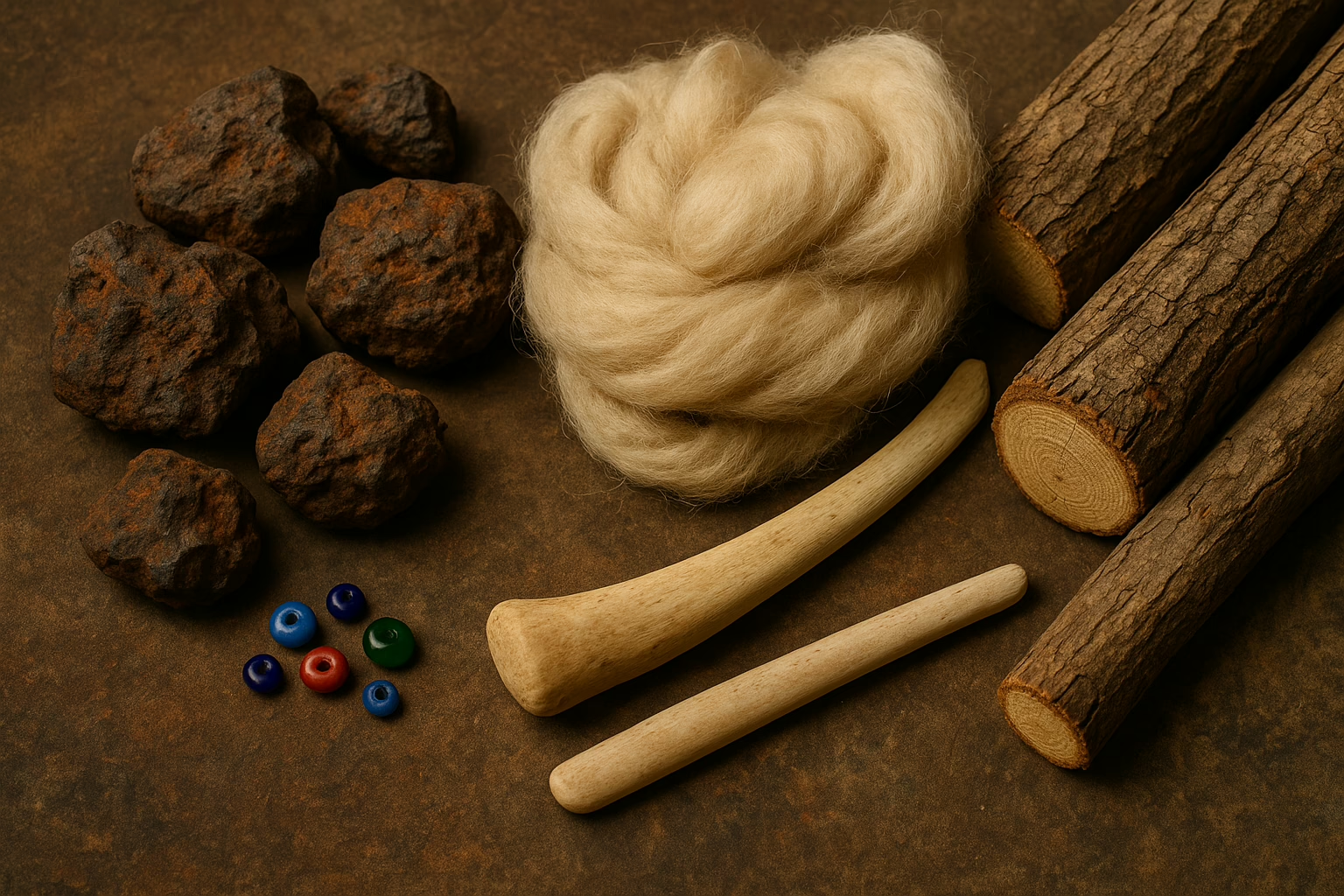
Iron Age Materials in Ireland: From Bog Iron to Ash-wood Spears
Read more: Iron Age Materials in Ireland: From Bog Iron to Ash-wood SpearsIron-Age Ireland relied on bog iron for blades, ash and oak for spear-shafts, wool for textiles and imported glass for status beads. This guide traces each material from source to finished artefact—mines, quarries, bogs and workshops—backed by excavation data and experimental archaeology.
-

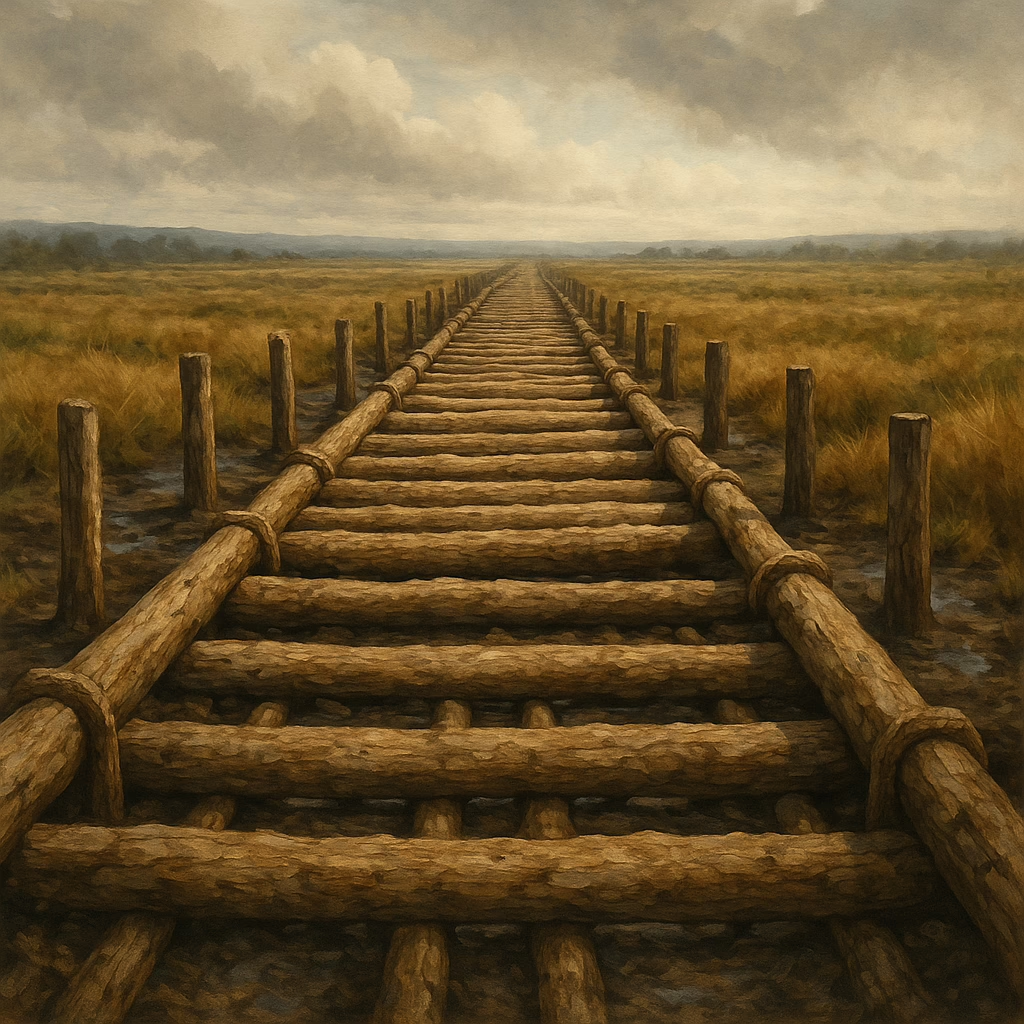
Ancient Roads of Ireland – 5 Slíghe (Highways) Radiating from Tara
Read more: Ancient Roads of Ireland – 5 Slíghe (Highways) Radiating from TaraExplore the ancient roads of Ireland—from prehistoric trackways to Iron Age ceremonial routes—and uncover how these paths shaped settlement, trade, and myth.
-
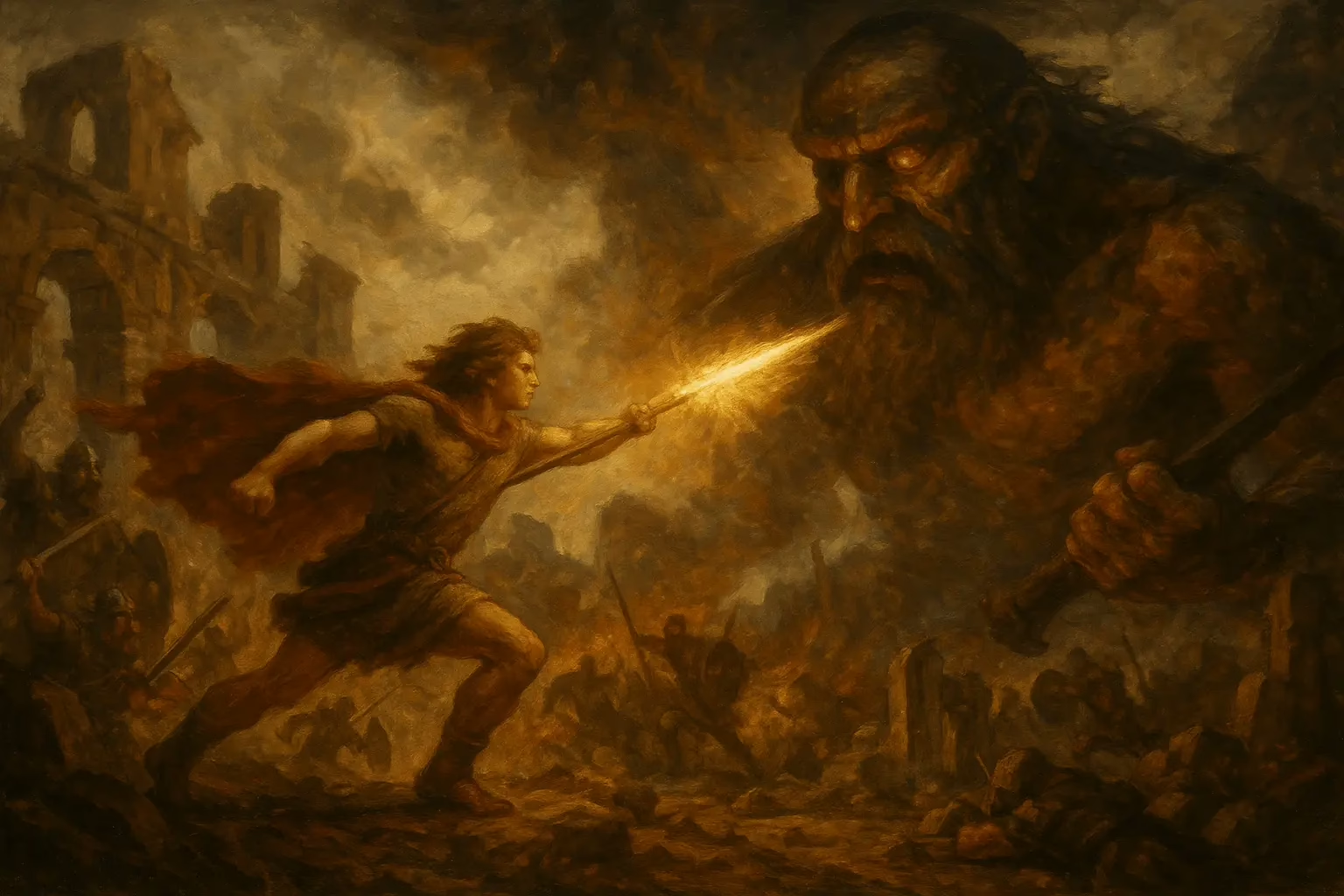
The Gods of Ireland: A Complete Guide to the Tuatha Dé Danann
Read more: The Gods of Ireland: A Complete Guide to the Tuatha Dé DanannDiscover the legendary gods and goddesses of Irish mythology—from Nuada and Brigid to the Dagda and Morrígan. This in-depth guide explores their stories, symbols, and enduring place in Celtic lore.
-

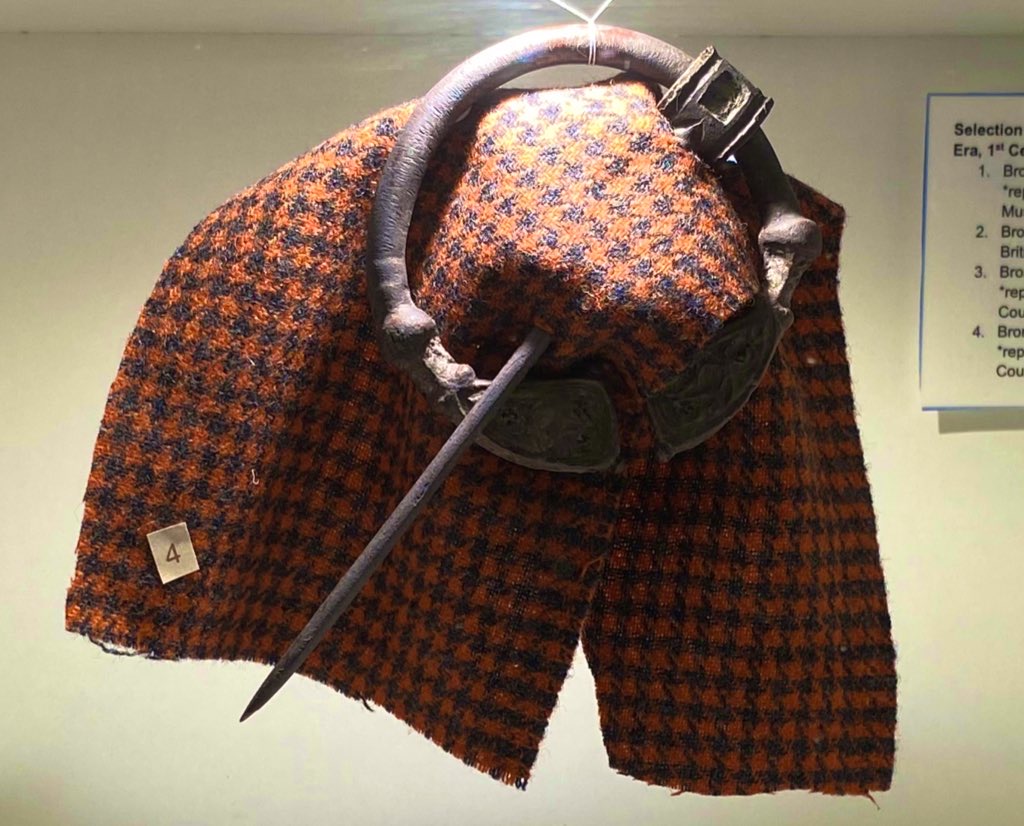
Iron Age Clothing in Ireland: What People Really Wore
Read more: Iron Age Clothing in Ireland: What People Really WoreFrom dyed cloaks to imported silks, Iron Age Irish clothing was far from drab. Discover how ancient fashion reflected power and culture — and how its legacy still echoes in what we wear today.
Latest news
- Carrickfergus Castle: Ulster’s Medieval Stronghold
- Iron Age Irish Weapons: Celtic Warfare in Ancient Ireland
- Dundrum Castle: From Ancient Fort to Norman Stronghold
- Ogma: Irish God of Strength, Language, and Ogham
- Barrows of Ireland: Mapping Ireland’s Prehistoric Burial Mounds
Categories
- Book Reviews (5)
- Early Irish Christianity (7)
- Fiction (2)
- Historical Sites (21)
- Irish gods (10)
- Irish History (37)
- Irish language (7)
- Irish Mythology (24)
- Mythical Creatures (6)