Archaeology

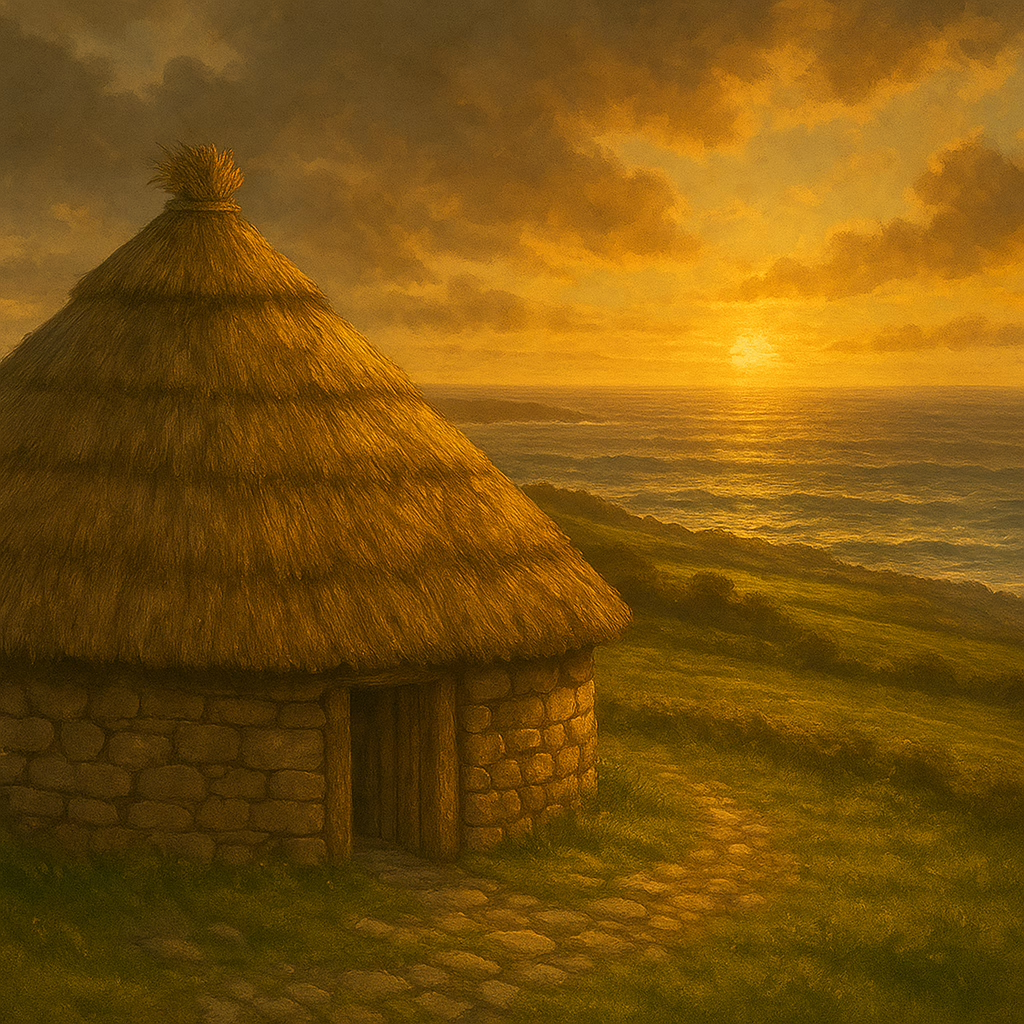
Corrstown Bronze Age Village: Ireland’s Largest Settlement
Read more: Corrstown Bronze Age Village: Ireland’s Largest SettlementCorrstown, just outside Portrush, stunned archaeologists in 2002 with 74 roundhouses linked by cobbled lanes—one of the largest Middle-Bronze Age villages uncovered in Britain or Ireland. Radiocarbon dates of c. 1700-1200 BC, 16,500 flint pieces and 9,000 pottery sherds now illuminate daily life on the Atlantic fringe.


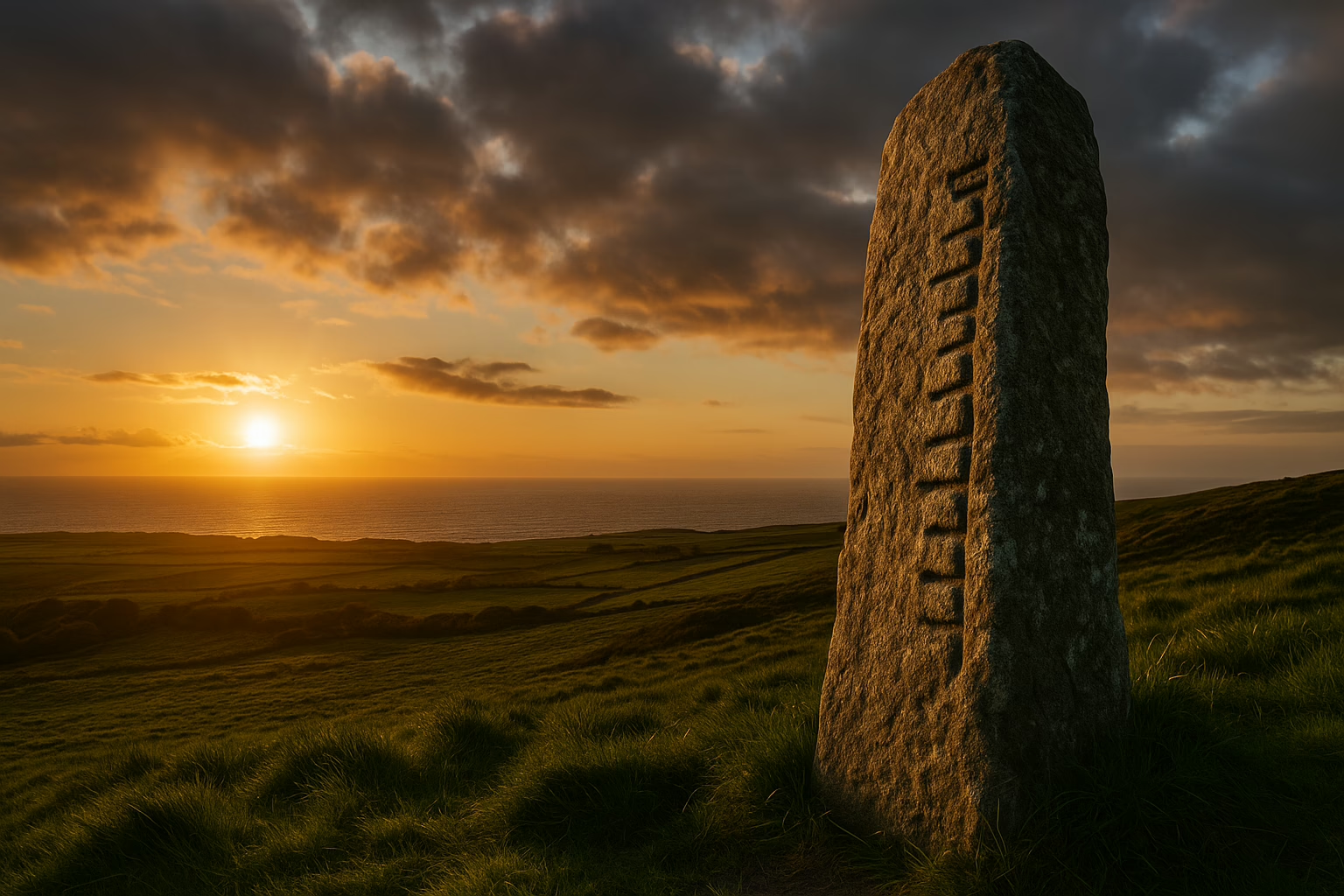
What is the Ogham Tree Alphabet?
Read more: What is the Ogham Tree Alphabet?The Ogham alphabet—20 sharp strokes named after trees—records Ireland’s oldest written words. Carved on stone pillars from Kerry to Pembrokeshire, this 5th-century script holds clan names, boundary claims and a hint of druid lore. Decode its notches, track new finds and see how Ogham still inspires tattoos and typefaces today.


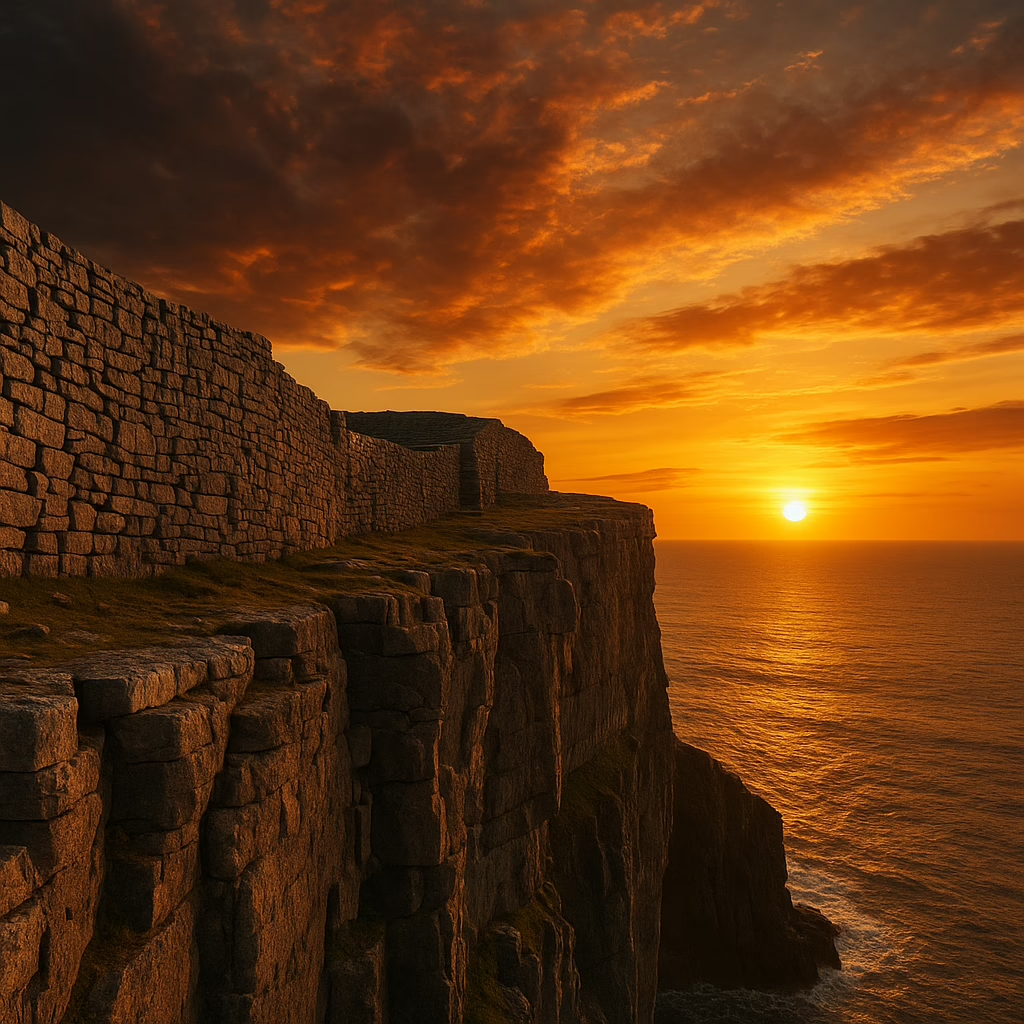
What was Dun Aengus? Ireland’s Ancient West Maritime Hub
Read more: What was Dun Aengus? Ireland’s Ancient West Maritime HubDun Aengus (Dún Aonghasa) crowns a 100 m Atlantic cliff on Inis Mór, its triple drystone walls and jagged chevaux-de-frise guarding the island since the Late Bronze Age. Excavations by Claire Cotter revealed metal-working debris and ritual deposits, while modern paths now guide visitors through Ireland’s most spectacular prehistoric fort.
-
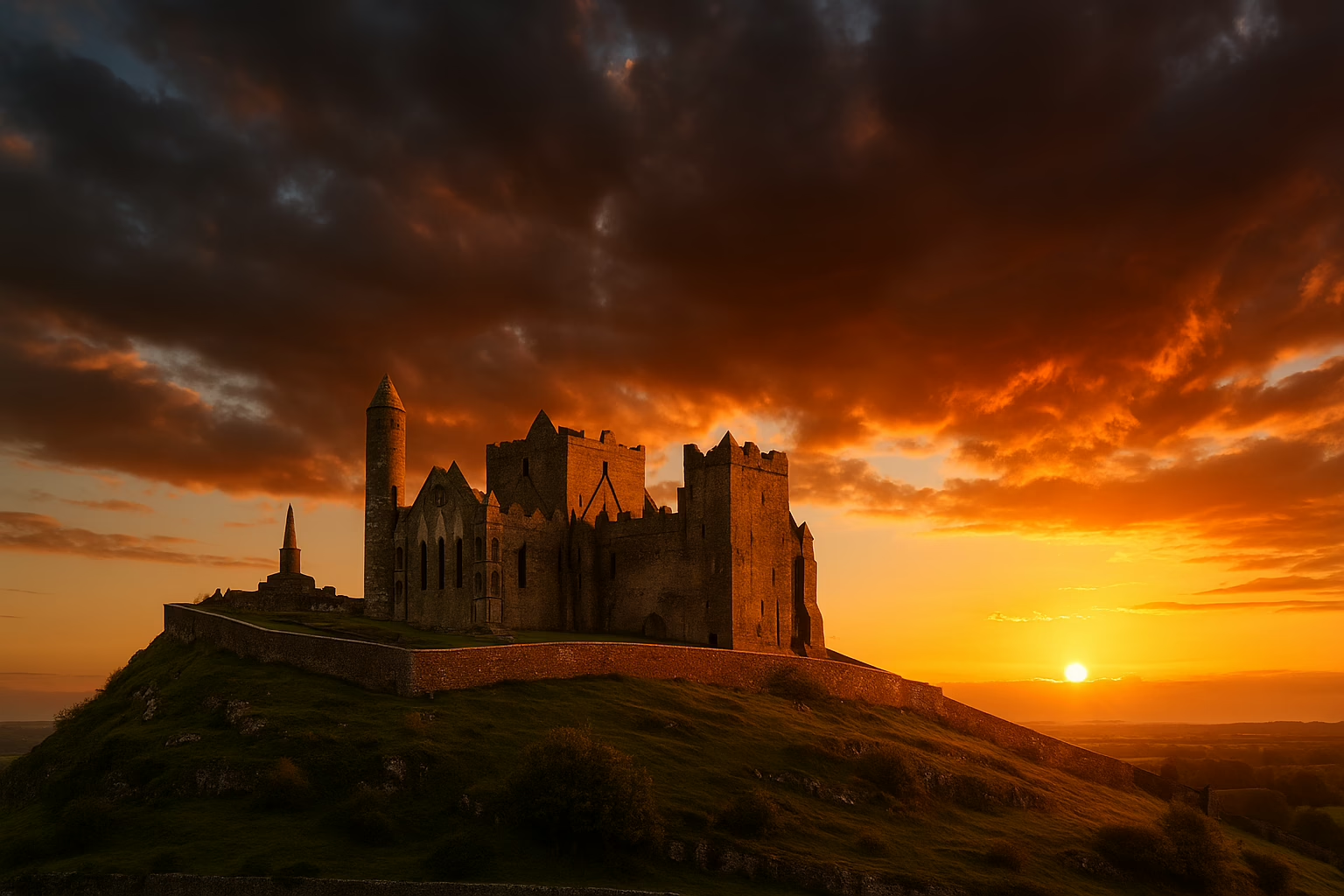
How old is the Rock of Cashel?
Read more: How old is the Rock of Cashel?Perched above Tipperary’s Golden Vale, the Rock of Cashel (Carraig Phádraig) rose from a royal hill-fort to a 12th-century ecclesiastical powerhouse. But its ancient roots claim to go back much further into Iron Age Ireland. Here we explore the evidence.
-
Iron Age Materials in Ireland: From Bog Iron to Ash-wood Spears
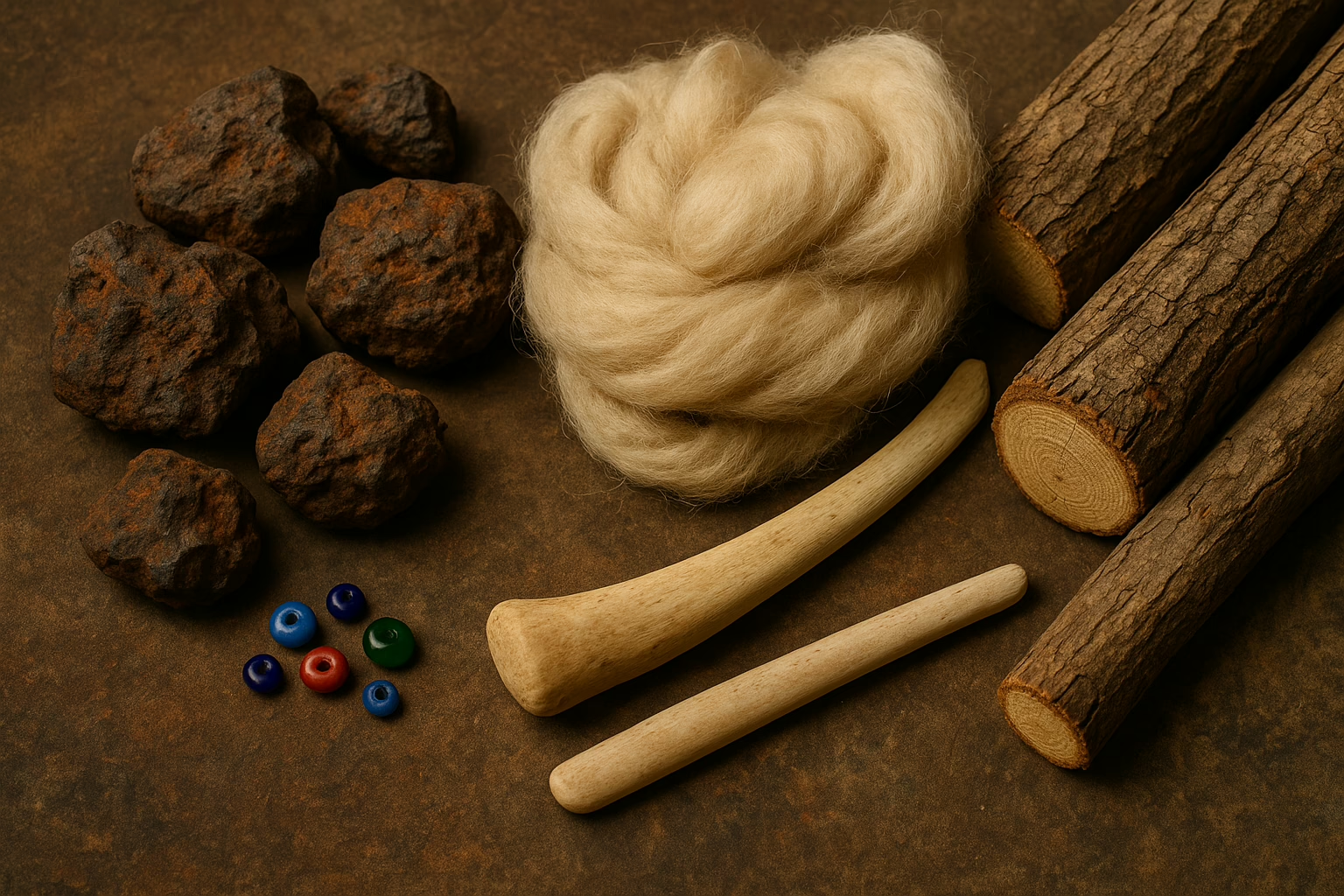
Read more: Iron Age Materials in Ireland: From Bog Iron to Ash-wood SpearsIron-Age Ireland relied on bog iron for blades, ash and oak for spear-shafts, wool for textiles and imported glass for status beads. This guide traces each material from source to finished artefact—mines, quarries, bogs and workshops—backed by excavation data and experimental archaeology.
-
Ancient Roads of Ireland – 5 Slíghe (Highways) Radiating from Tara
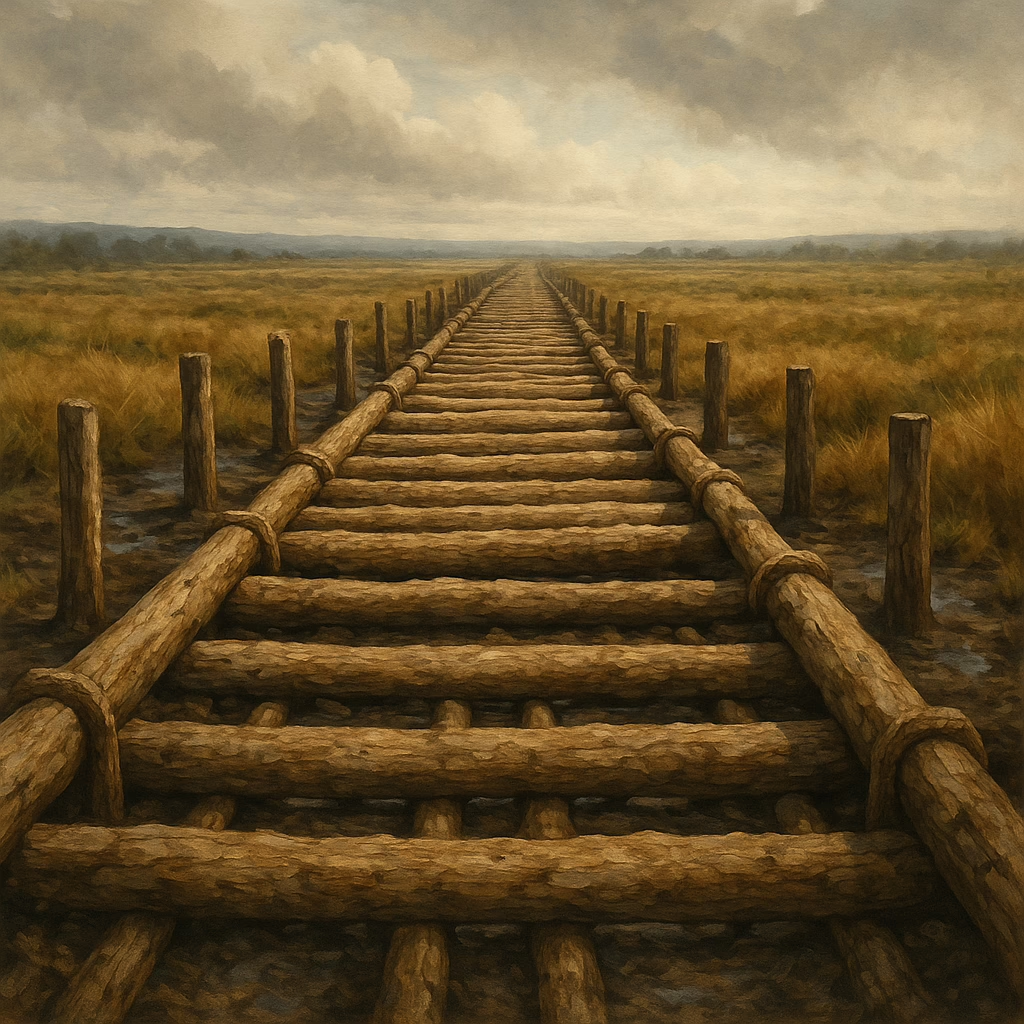
Read more: Ancient Roads of Ireland – 5 Slíghe (Highways) Radiating from TaraExplore the ancient roads of Ireland—from prehistoric trackways to Iron Age ceremonial routes—and uncover how these paths shaped settlement, trade, and myth.


Iron Age Clothing in Ireland: What People Really Wore
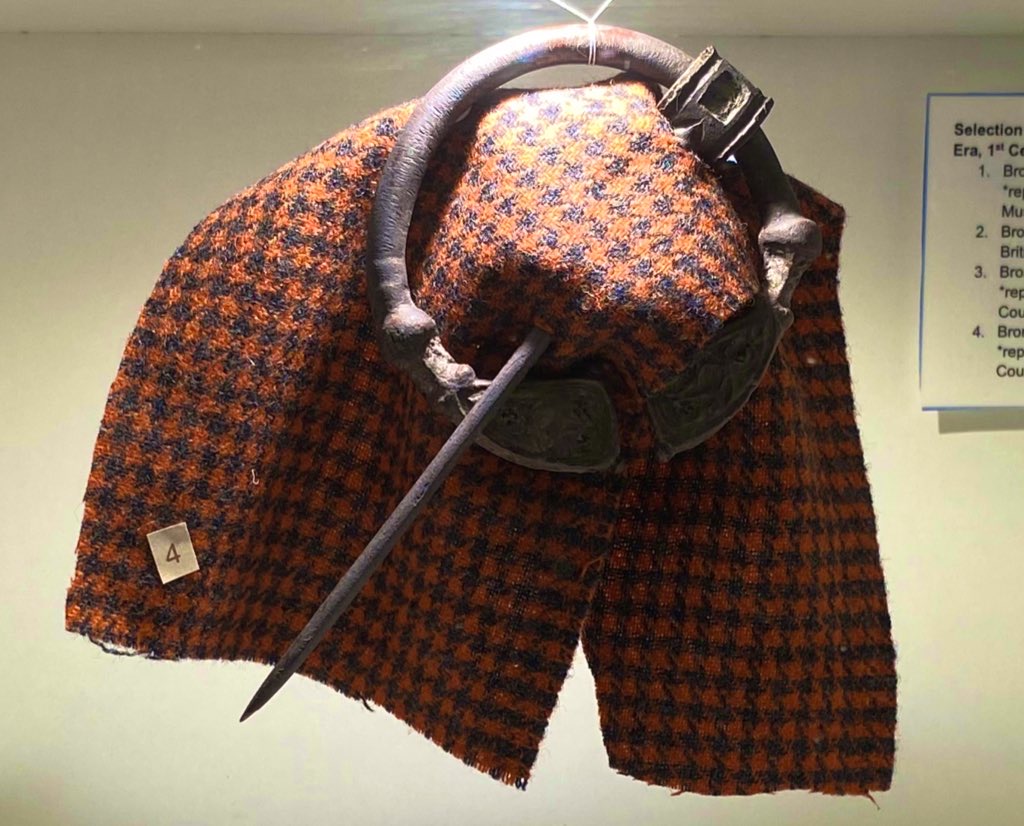
Read more: Iron Age Clothing in Ireland: What People Really WoreFrom dyed cloaks to imported silks, Iron Age Irish clothing was far from drab. Discover how ancient fashion reflected power and culture — and how its legacy still echoes in what we wear today.


What is the history of Dunseverick Castle?
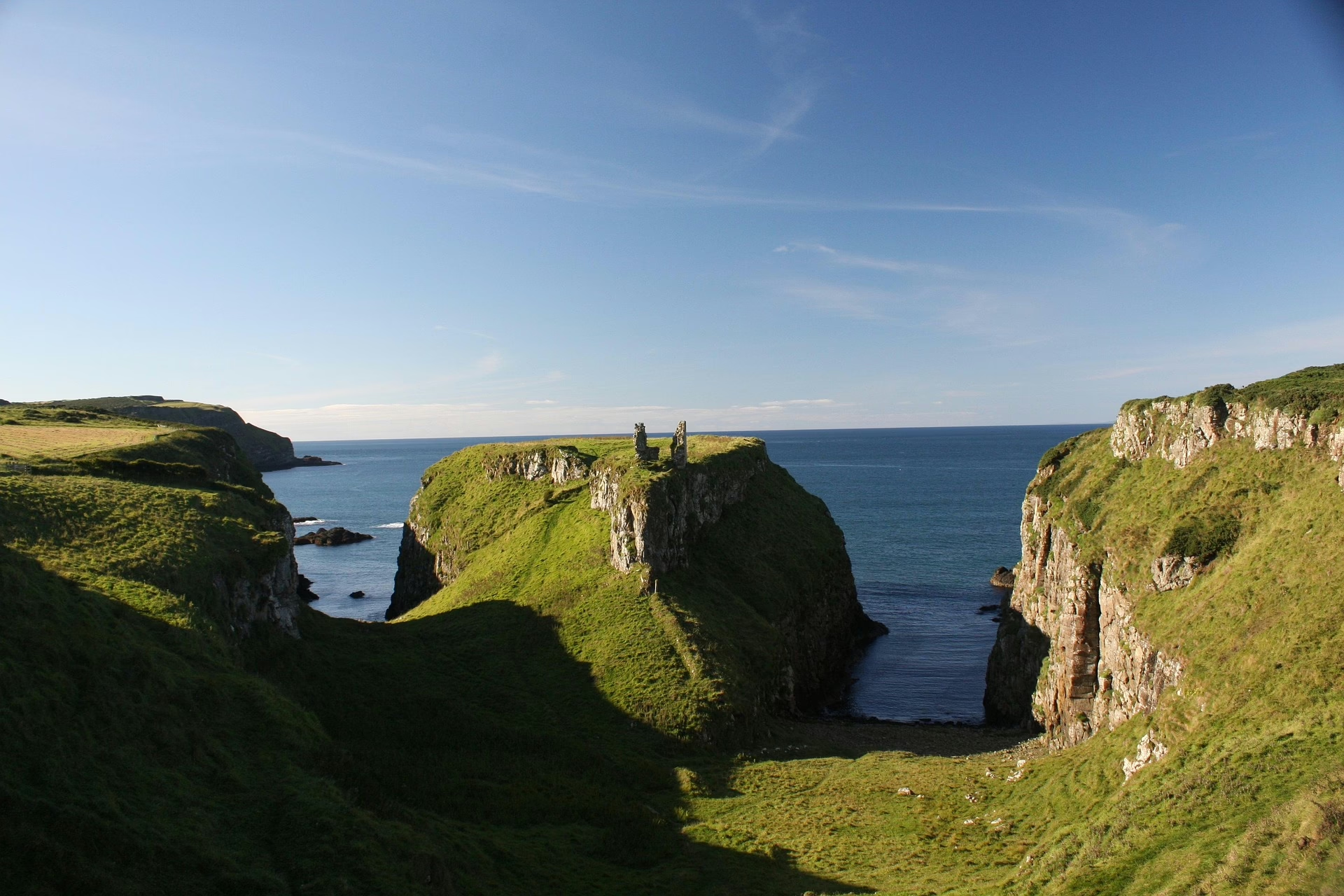
Read more: What is the history of Dunseverick Castle?Perched above the North Atlantic, Dunseverick Castle weaves together centuries of myth, kingship, and quiet endurance. From Iron Age roots to Saint Patrick’s visit, its crumbled walls still echo with stories — if we know how to listen.
-
What is the history of Dun Ailinne?
Read more: What is the history of Dun Ailinne?Dun Ailinne crowns Knockaulin Hill in County Kildare—an Iron-Age ritual enclosure where Leinster kings gathered for inauguration and seasonal feasts. Excavations (1968-75) uncovered wooden temple rings, feasting debris and imported glass beads, revealing a ceremonial complex on par with Tara and Rathcroghan yet still hidden beneath pasture today.


Irish Hillforts: Ancient Fortifications of Ireland
Read more: Irish Hillforts: Ancient Fortifications of IrelandDiscover the history of Irish hillforts – ancient Iron Age fortifications across Ireland. Learn about their designs, locations and cultural significance.

Latest news
- Viking Settlements in Ireland: From Raids to Norse Towns
- Where are Ireland’s Standing Stones?
- Irish Bards and Ancient Music: The Sound of Iron Age Ireland
- Who is St Brendan of Clonfert?
- What is Irish rock art?
Categories
- Book Reviews (5)
- Early Irish Christianity (6)
- Fiction (2)
- Historical Sites (19)
- Irish gods (9)
- Irish History (30)
- Irish language (6)
- Irish Mythology (20)
- Mythical Creatures (3)