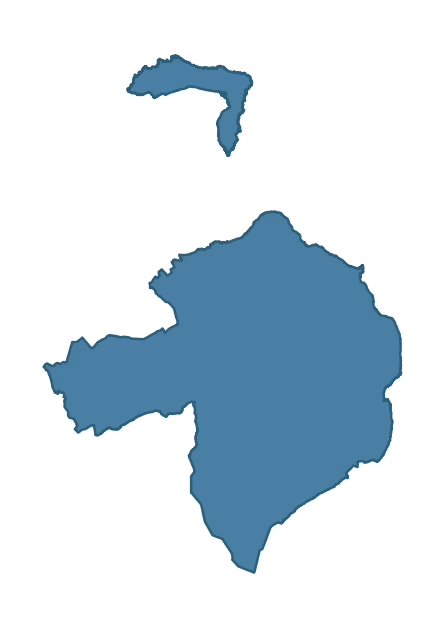
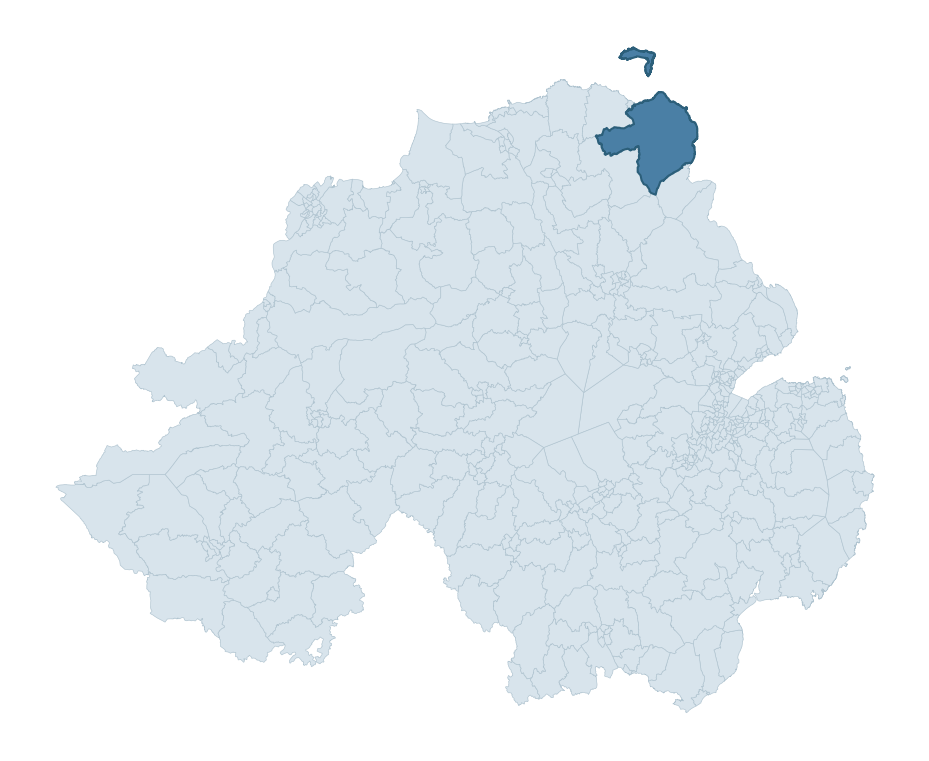
| 18th Century Clachan (Ally Upper) | Post-Medieval | Unknown |
| 2 CISTS & a BOOLEY HUT (destroyed) | Mesolithic | Ritual/Funerary |
| A.P. SITE | Unknown | Unknown |
| A.P. SITE | Unknown | Unknown |
| A.P. SITE | Unknown | Unknown |
| A.P. SITE | Unknown | Unknown |
| A.P. SITE | Unknown | Unknown |
| A.P. SITE | Unknown | Unknown |
| A.P. SITE | Unknown | Unknown |
| A.P. SITE | Unknown | Unknown |
| A.P. SITE | Unknown | Unknown |
| A.P. SITE | Unknown | Unknown |
| A.P. SITE | Unknown | Unknown |
| A.P. SITE (destroyed) | Unknown | Unknown |
| A.P. SITE – 2 ENCLOSURES | Unknown | Unknown |
| A.P. SITE – 2 circular cropmarks | Unknown | Unknown |
| A.P. SITE – 2 conjoined cropmarks | Unknown | Unknown |
| A.P. SITE – 2 cropmarks | Unknown | Unknown |
| A.P. SITE – 2 rectangular platforms | Unknown | Unknown |
| A.P. SITE – 3 rectangular structures | Unknown | Domestic |
| A.P. SITE – 3 small circular cropmarks – hut sites? | Unknown | Unknown |
| A.P. SITE – 5 cropmarks | Unknown | Unknown |
| A.P. SITE – 7 cropmarks | Unknown | Unknown |
| A.P. SITE – BOOLEY HUTS & FIELD BOUNDARIES | Unknown | Unknown |
| A.P. SITE – CIRCULAR FEATURE | Unknown | Unknown |
| A.P. SITE – CROPMARKS | Unknown | Unknown |
| A.P. SITE – D-shaped enclosure? | Iron Age | Unknown |
| A.P. SITE – ENCLOSURE | Iron Age | Unknown |
| A.P. SITE – FIELD SYSTEM & HOUSES | Post-Medieval | Agriculture |
| A.P. SITE – NON ANTIQUITY | Unknown | Unknown |
| A.P. SITE – PENANNULAR CROPMARK | Unknown | Unknown |
| A.P. SITE – SETTLEMENT SITE | Unknown | Domestic |
| A.P. SITE – barrow? | Early Bronze Age | Ritual/Funerary |
| A.P. SITE – circular cropmark | Unknown | Unknown |
| A.P. SITE – circular cropmark | Unknown | Unknown |
| A.P. SITE – circular cropmark | Unknown | Unknown |
| A.P. SITE – circular cropmark | Unknown | Unknown |
| A.P. SITE – circular cropmark | Unknown | Unknown |
| A.P. SITE – circular cropmark | Unknown | Unknown |
| A.P. SITE – circular cropmark | Unknown | Unknown |
| A.P. SITE – circular cropmark | Unknown | Unknown |
| A.P. SITE – circular cropmark | Unknown | Unknown |
| A.P. SITE – circular cropmark | Unknown | Unknown |
| A.P. SITE – circular enclosure | Iron Age | Unknown |
| A.P. SITE – circular enclosure | Iron Age | Unknown |
| A.P. SITE – conjoined cropmarks | Unknown | Unknown |
| A.P. SITE – cropmark | Unknown | Unknown |
| A.P. SITE – cropmark | Unknown | Unknown |
| A.P. SITE – cropmark | Unknown | Unknown |
| A.P. SITE – cropmark | Unknown | Unknown |
| A.P. SITE – cropmark | Unknown | Unknown |
| A.P. SITE – cropmark | Unknown | Unknown |
| A.P. SITE – cropmark | Unknown | Unknown |
| A.P. SITE – cropmark | Unknown | Unknown |
| A.P. SITE – cropmark/ structures | Unknown | Domestic |
| A.P. SITE – cropmarks | Unknown | Unknown |
| A.P. SITE – cropmarks – structures? | Unknown | Domestic |
| A.P. SITE – enclosure | Iron Age | Unknown |
| A.P. SITE – enclosure? | Iron Age | Unknown |
| A.P. SITE – enclosure? | Iron Age | Unknown |
| A.P. SITE – enclosure? | Iron Age | Unknown |
| A.P. SITE – field banks | Unknown | Commercial |
| A.P. SITE – field system | Middle-Late Bronze Age | Agriculture |
| A.P. SITE – field system | Middle-Late Bronze Age | Agriculture |
| A.P. SITE – field system & rectangular enclosure | Middle-Late Bronze Age | Agriculture |
| A.P. SITE – field system? | Middle-Late Bronze Age | Agriculture |
| A.P. SITE – house platforms? | Unknown | Domestic |
| A.P. SITE – linear & rectangular cropmarks | Unknown | Unknown |
| A.P. SITE – modern enclosure | Iron Age | Unknown |
| A.P. SITE – oval cropmark | Unknown | Unknown |
| A.P. SITE – oval cropmark | Unknown | Unknown |
| A.P. SITE – oval cropmark | Unknown | Unknown |
| A.P. SITE – oval cropmark | Unknown | Unknown |
| A.P. SITE – penannular cropmark | Unknown | Unknown |
| A.P. SITE – possible Cairn | Early Bronze Age | Ritual/Funerary |
| A.P. SITE – possible barrow | Early Bronze Age | Ritual/Funerary |
| A.P. SITE – quarry & ?barrow | Early Bronze Age | Ritual/Funerary |
| A.P. SITE – rectilinear enclosure | Iron Age | Unknown |
| A.P. SITE – small circular cropmark | Unknown | Unknown |
| A.P. SITE – small circular cropmark | Unknown | Unknown |
| A.P. SITE – small circular cropmark – barrow? | Early Bronze Age | Ritual/Funerary |
| A.P. SITE – small cropmark – barrow? | Early Bronze Age | Ritual/Funerary |
| A.P. SITE – small enclosure | Iron Age | Unknown |
| A.P. SITE – small oval cropmark | Unknown | Unknown |
| A.P. SITE – small; circular cropmark | Unknown | Unknown |
| A.P. SITE – sub-rectangular cropmark | Unknown | Unknown |
| A.P. SITE – sub-rectangular feature | Unknown | Unknown |
| A.P. SITE: CROPMARK OF SQUARE ENCLOSURE | Iron Age | Unknown |
| A.P. SITE: ENCLOSURE | Iron Age | Unknown |
| A.P. SITE: FIELD SYSTEM? | Middle-Late Bronze Age | Agriculture |
| A.P. SITE: HUT SITE | Unknown | Unknown |
| A.P. SITE: HUT SITE | Unknown | Unknown |
| A.P. SITE: HUT SITE? | Unknown | Unknown |
| A.P. SITE: HUT SITE? | Unknown | Unknown |
| A.P. SITE: HUT SITE? | Unknown | Unknown |
| A.P. SITE: NON-ANTIQUITY | Modern | Unknown |
| A.P. SITE: POSSIBLE ENCLOSURE | Iron Age | Unknown |
| A.P. SITE: POSSIBLE ENCLOSURE | Iron Age | Unknown |
| A.P. SITE: POSSIBLE HUT SITE | Unknown | Unknown |
| A.P. SITE: POSSIBLE HUT SITE | Unknown | Unknown |
| A.P. SITE: POSSIBLE RING DITCH/BARROW | Early Bronze Age | Ritual/Funerary |
| A.P. SITE; possible enclosure | Iron Age | Unknown |
| A.P. SITES: ENCLOSURES OR HUT SITES? | Unknown | Unknown |
| ANCIENT ROAD (O.S. memoir site; unlocated) | Mesolithic | Transport |
| AP Site- Cropmark complex. Possible prehistoric settlement site or funerary/ritual landscape? | Mesolithic | Ritual/Funerary |
| AP Site- Cropmark complex. Possible settlement site or funerary landscape? | Mesolithic | Ritual/Funerary |
| APPROX. FINDSPOT OF 2 CANNONS & A POWDER LADLE | Post-Medieval | Unknown |
| ASSEMBLY SITE: THE LONG PARLIAMENT | Early Medieval | Unknown |
| Armoy Historic Settlement | Post-Medieval | Domestic |
| BARROW | Mesolithic | Ritual/Funerary |
| BARROW CEMETERY – 7 BARROWS (at least) | Mesolithic | Ritual/Funerary |
| BARROW OR CAIRN: HUGH MCPHELIM O'NEILL'S SERVANT'S TOMB | Early Bronze Age | Ritual/Funerary |
| BARROW OR CAIRN: HUGH MCPHELIM O'NEILL'S TOMB | Early Bronze Age | Ritual/Funerary |
| BATTLE SITE (O.S. Memoir site) | Unknown | Unknown |
| BATTLE SITE: BATTLE OF AURA; 1559 | Post-Medieval | Unknown |
| BATTLE SITE: BATTLE OF GLENSHESK | Medieval | Unknown |
| BATTLE SITE: CAHA-NA-RIO or THE COMBAT OF KINGS | Unknown | Unknown |
| BATTLE SITE; 1551 (unlocated) | Medieval | Unknown |
| BATTLE SITE; 1585 | Post-Medieval | Unknown |
| BATTLE SITE; 1642 | Post-Medieval | Unknown |
| BATTLE SITE; 725 AD (unlocated) | Early Medieval | Unknown |
| BO0LEY HOUSES (O.S. memoir site; unlocated) | Unknown | Domestic |
| BOG BODY (OS memoir site; destroyed) | Unknown | Unknown |
| BOOLEY HUT | Unknown | Unknown |
| BOOLEY HUT | Unknown | Unknown |
| BOOLEY HUT | Unknown | Unknown |
| BOOLEY HUT | Unknown | Unknown |
| BOOLEY HUT | Unknown | Unknown |
| BOOLEY HUT | Unknown | Unknown |
| BOOLEY HUT | Unknown | Unknown |
| BOOLEY HUT (2) | Unknown | Unknown |
| BOOLEY HUT (destroyed) | Unknown | Unknown |
| BOOLEY HUT (destroyed) | Unknown | Unknown |
| BOOLEY HUT (destroyed) | Unknown | Unknown |
| BOOLEY HUT (destroyed) | Unknown | Unknown |
| BOOLEY HUT (destroyed) | Unknown | Unknown |
| BOOLEY HUTS | Unknown | Unknown |
| BOOLEY HUTS | Unknown | Unknown |
| BOOLEY HUTS (3) | Post-Medieval | Unknown |
| BOOLEY HUTS: ALT-NA-VOOLIE (unlocated) | Unknown | Unknown |
| BRONZE AGE BURIAL SITE (destroyed) | Mesolithic | Ritual/Funerary |
| BRONZE AGE CIST BURIAL | Mesolithic | Ritual/Funerary |
| BULLAUN | Early Medieval | Unknown |
| BULLAUN | Early Medieval | Unknown |
| BULLAUN | Early Medieval | Unknown |
| BULLAUN | Early Medieval | Unknown |
| BULLAUN | Early Medieval | Unknown |
| BULLAUN (now moved to Knocknacarry td) | Early Medieval | Unknown |
| BULLAUN (unlocated) | Early Medieval | Unknown |
| BULLAUN: KNOCKING STONE | Unknown | Unknown |
| BURIAL: KEERAN SHEMIS | Unknown | Ritual/Funerary |
| BURNT MOUND | Early Bronze Age | Agriculture |
| Boat Shelter | Post-Medieval | Maritime |
| Boat and/or gear shelter | Post-Medieval | Maritime |
| Boat and/or gear shelter | Post-Medieval | Maritime |
| Boat naust | Modern | Maritime |
| Boat naust | Modern | Maritime |
| Boat naust and slipway | Post-Medieval | Maritime |
| Boat shelter | Post-Medieval | Maritime |
| Boat shelter | Unknown | Maritime |
| Boat shelter | Post-Medieval | Maritime |
| Boat shelter | Post-Medieval | Maritime |
| Boat shelter | Post-Medieval | Maritime |
| Boat shelter | Post-Medieval | Maritime |
| Boat shelter (probable) | Post-Medieval | Maritime |
| Boat shelter/walls | Post-Medieval | Maritime |
| Boat shelters (2) | Post-Medieval | Maritime |
| Boat shelters (2) | Post-Medieval | Maritime |
| Boat shelters (3) | Post-Medieval | Maritime |
| Boat shelters (6) | Post-Medieval | Maritime |
| Boat shelters (at least four compartments) | Post-Medieval | Maritime |
| Boat/gear shelter | Post-Medieval | Maritime |
| CAIRN | Mesolithic | Ritual/Funerary |
| CAIRN | Mesolithic | Ritual/Funerary |
| CAIRN (unlocated) | Early Bronze Age | Ritual/Funerary |
| CAIRN: AGHALECK (unlocated) | Mesolithic | Ritual/Funerary |
| CAIRN: CARNAN-NA-CALLIAGH (O.S. memoir site; unlocated) | Mesolithic | Ritual/Funerary |
| CAIRN: KNOCK-RANILL (unlocated) | Early Bronze Age | Ritual/Funerary |
| CASHEL | Early Medieval | Defence |
| CASHEL | Early Medieval | Defence |
| CASHEL & SOUTERRAIN | Early Medieval | Defence |
| CASHEL (destroyed): DUNAVARRE | Early Medieval | Defence |
| CASHEL (unlocated) | Early Medieval | Defence |
| CASHEL WITH SOUTERRAIN | Early Medieval | Defence |
| CASHEL?: TIGH-NA-SIEDUR | Early Medieval | Defence |
| CASTLE (O.S. memoir site; unlocated) | Unknown | Defence |
| CASTLE (SITE OF) | Unknown | Defence |
| CASTLE (destroyed): CASTLE CULBERT | Unknown | Defence |
| CASTLE or CASHEL & SOUTERRAINS (SITE OF): CASTLE VOODISH | Early Medieval | Defence |
| CASTLE: DUNCARBIT CASTLE or BURNT HOUSE | Unknown | Defence |
| CASTLE? Unlocated | Unknown | Defence |
| CAVE | Unknown | Unknown |
| CAVE: BRUCE'S CAVE | Unknown | Unknown |
| CAVES (4) – BRONZE AGE OCCUPATION | Early Bronze Age | Unknown |
| CHAMBERED TOMB in ROUND CAIRN | Mesolithic | Ritual/Funerary |
| CHURCH & GRAVEYARD (unlocated) | Unknown | Ritual/Funerary |
| CHURCH & GRAVEYARD: KILLYLYENAN | Unknown | Ritual/Funerary |
| CHURCH SITE | Unknown | Religious |
| CHURCH; GRAVEYARD; CROSS-CARVED STONES; SOUTERRAIN | Early Medieval | Ritual/Funerary |
| CHURCH; GRAVEYARD; ENCLOSURE (rath?) and SOUTERRAIN: KILPATRICK | Early Medieval | Ritual/Funerary |
| CHURCH; GRAVEYARD; KILLEEN; SOUTERRAIN: KILLYOWEN | Iron Age | Ritual/Funerary |
| CHURCH; possibly on early site; GRAVEYARD; BULLAUN: KILLYVALLAGH or GLOONAN | Early Medieval | Ritual/Funerary |
| CIST (O.S. memoir site; unlocated) | Mesolithic | Ritual/Funerary |
| CIST BURIAL | Mesolithic | Ritual/Funerary |
| CIST BURIAL (OS memoir site; unlocated) | Mesolithic | Ritual/Funerary |
| CIST BURIAL (unlocated) | Mesolithic | Ritual/Funerary |
| CIST BURIAL (O.S. memoir site; unlocated) | Mesolithic | Ritual/Funerary |
| CIST BURIAL (unlocated) | Mesolithic | Ritual/Funerary |
| CIST BURIALS & PIT BURIALS (O.S. memoir site; unlocated) | Early Bronze Age | Ritual/Funerary |
| CIST BURIALS & STANDING STONES (O.S. memoir site; unlocated) | Mesolithic | Ritual/Funerary |
| CIST BURIALS (7) 1 WITH RING DITCH; STONE ALIGNMENT | Mesolithic | Ritual/Funerary |
| CIST BURIALS (O.S. memoir site; unlocated) | Early Bronze Age | Ritual/Funerary |
| CIST CEMETERY & STANDING STONE: CLOGHBIRRAGH | Mesolithic | Ritual/Funerary |
| CISTS (2) | Mesolithic | Ritual/Funerary |
| CISTS (2) (O.S. memoir site; unlocated) | Mesolithic | Ritual/Funerary |
| CISTS? (O.S. memoir site; unlocated) | Mesolithic | Ritual/Funerary |
| CISTS? or SOUTERRAINS?: CRIAG-NA-GATH or THE CAT'S ROCK | Iron Age | Ritual/Funerary |
| COLLIERY AIRWAY AND DRAINAGE TUNNEL- IHR03749-001-00 | Post-Medieval | Industrial |
| COURT TOMB | Mesolithic | Ritual/Funerary |
| COURT TOMB | Mesolithic | Ritual/Funerary |
| COURT TOMB | Mesolithic | Ritual/Funerary |
| COURT TOMB | Mesolithic | Ritual/Funerary |
| COURT TOMB: CLOGHAFADD | Mesolithic | Ritual/Funerary |
| COURT TOMB: OSSIAN'S GRAVE OR CLOGHBRACK | Mesolithic | Ritual/Funerary |
| CRAIGHAGH ALTAR AND ENCLOSURE | Post-Medieval | Unknown |
| CRANNOG IN LOUGH NA CRANAGH | Early Medieval | Defence |
| CROSS | Early Medieval | Unknown |
| CROSS (O.S. memoir site; unlocated) | Unknown | Unknown |
| CROSS (unlocated) | Unknown | Unknown |
| CROSS-CARVED STONE (unlocated) | Unknown | Ritual/Funerary |
| CROSSES (2): TULLAGHORE CROSSES | Unknown | Unknown |
| CULFEIGHTRIN CHURCH & GRAVEYARD | Early Medieval | Ritual/Funerary |
| Cave | Post-Medieval | Unknown |
| Church; graveyard; font and cross-carved stone: KILLEENA or KILLE ENAN or DRUMMAN INDICH | Medieval | Ritual/Funerary |
| Cleared shore and low wall/platform | Unknown | Unknown |
| Corn mill and mill race | Post-Medieval | Agriculture |
| Cushendun Historic Settlement | Post-Medieval | Defence |
| D-SHAPED ENCLOSURE | Iron Age | Unknown |
| DRUMNAKILL CHURCH: Church; cross; bullaun; possible souterrains | Early Medieval | Religious |
| DUAL COURT TOMB | Mesolithic | Ritual/Funerary |
| Dry-stone walls; possible kelp draining/drying walls and remains of duck hides | Post-Medieval | Maritime |
| Drystone boat naust | Unknown | Maritime |
| Drystone enclosure: possible boat shelter | Iron Age | Maritime |
| Drystone walls | Post-Medieval | Unknown |
| EARTHWORK – possibly RAISED RATH | Early Medieval | Defence |
| EARTHWORK ENCLOSURE: THE TWIN TOWERS (c.f. 015:002) | Mesolithic | Defence |
| EARTHWORK: THE TWIN TOWERS (c.f. 015:003) | Unknown | Defence |
| ECCLESIASTICAL ENCLOSURE: KILVORUAN | Iron Age | Religious |
| ENCLOSURE | Iron Age | Unknown |
| ENCLOSURE | Iron Age | Unknown |
| ENCLOSURE | Iron Age | Unknown |
| ENCLOSURE | Iron Age | Unknown |
| ENCLOSURE | Iron Age | Unknown |
| ENCLOSURE | Iron Age | Unknown |
| ENCLOSURE | Iron Age | Unknown |
| ENCLOSURE | Iron Age | Unknown |
| ENCLOSURE & SOUTERRAIN – part of ARMOY ECCLESIASTICAL SITE [ANT 013:010] | Early Medieval | Religious |
| ENCLOSURE & STRUCTURES | Iron Age | Domestic |
| ENCLOSURE & findspot of GOLD TORC (O.S. memoir site; unlocated) | Iron Age | Unknown |
| ENCLOSURE (O.S. mem site: unlocated): LISNACALLIAGH | Iron Age | Unknown |
| ENCLOSURE (O.S. mem site; unlocated) | Iron Age | Unknown |
| ENCLOSURE (O.S. memoir site; unlocated) | Iron Age | Unknown |
| ENCLOSURE (O.S. memoir site; unlocated) | Iron Age | Unknown |
| ENCLOSURE (RATH?) & SOUTERRAIN | Early Medieval | Defence |
| ENCLOSURE (destroyed rath) & SOUTERRAINS | Early Medieval | Defence |
| ENCLOSURE (destroyed) | Iron Age | Unknown |
| ENCLOSURE (possibly rath); destroyed | Iron Age | Defence |
| ENCLOSURE (rath?) & SOUTERRAIN | Early Medieval | Defence |
| ENCLOSURE or MOUND & PIT BURIAL | Iron Age | Ritual/Funerary |
| ENCLOSURE? | Iron Age | Unknown |
| ENCLOSURES (O.S. mem site; unlocated) | Unknown | Unknown |
| ENCLOSURES (O.S. memoir site; unlocated) | Unknown | Unknown |
| ENCLOSURES; STANDING STONES: RAVENS' HILL (O.S. memoir site; unlocated) | Mesolithic | Ritual/Funerary |
| Early 19th century Clachan (Ally Lower) | Post-Medieval | Unknown |
| Enclosure | Iron Age | Unknown |
| Enclosure and U-shaped structure | Iron Age | Domestic |
| Enclosure, possible hut site | Iron Age | Unknown |
| Enclosure/Rath | Iron Age | Defence |
| FIELD SYSTEM WITH ENCLOSURE; STRUCTURES; CAIRNS (OS memoir site; unlocated) | Mesolithic | Ritual/Funerary |
| FIELD SYSTEM; ENCLOSURES; HUTS; FIELD WALLS (BA to Medieval) | Early Bronze Age | Agriculture |
| FIELD WALL | Unknown | Unknown |
| FINDSPOT OF FLINTS | Mesolithic | Unknown |
| FINDSPOT OF L.B.A. DRESS FASTENER | Mesolithic | Unknown |
| FINDSPOT OF LATE MESOLITHIC FLINTS | Mesolithic | Unknown |
| FINDSPOT OF NEOLITHIC FLINTS | Mesolithic | Unknown |
| FINDSPOT OF NEOLITHIC FLINTS & POTTERY | Mesolithic | Industrial |
| FINDSPOT of 5 BRONZE AXES (O.S. memoir site; unlocated) | Unknown | Unknown |
| FINDSPOT of BRONZE AGE DRESS FASTENER (unlocated) | Mesolithic | Unknown |
| FINDSPOT of COIN HOARD | Iron Age | Unknown |
| FINDSPOT of COIN HOARD DATING 1553-1641 (unlocated) | Post-Medieval | Unknown |
| FINDSPOT of FOOD VESSEL | Mesolithic | Maritime |
| FINDSPOT of GOLD BAR (O.S. memoir site; unlocated) | Unknown | Unknown |
| FINDSPOT of GOLD FIBULA BROOCH | Mesolithic | Unknown |
| FINDSPOT of HIBERNO-NORSE COIN HOARD, dated c. 1040 (unlocated) | Early Medieval | Unknown |
| FINDSPOT of NEOLITHIC POTTERY | Mesolithic | Industrial |
| FINDSPOT of REPUTED VIKING LONG BOAT | Early Medieval | Maritime |
| FINDSPOT of SKELETONS | Unknown | Unknown |
| FINDSPOT of URN & BRONZE OBJECT (O.S. memoir site; unlocated) | Unknown | Unknown |
| FINDSPOT of URN & possible SOUTERRAIN (unlocated) | Iron Age | Defence |
| FINDSPOT of URN BURIAL & PAVEMENT: TAM or THOM | Unknown | Ritual/Funerary |
| FINDSPOT of URNS | Mesolithic | Unknown |
| FINDSPOT of WORKED FLINTS | Mesolithic | Unknown |
| FINDSPOT of WORKED FLINTS | Mesolithic | Unknown |
| FOLKLORE SITE: reputedly site of a massacre in 1642 | Post-Medieval | Unknown |
| FOLKLORE SITE: traditionally site of massacre of women by Essex's soldiers | Medieval | Industrial |
| FORTIFICATION: BRUCE'S CASTLE | Medieval | Defence |
| FORTIFICATION? (O.S. memoir site; unlocated) | Unknown | Defence |
| FORTIFIED OUTCROP (possibly MOTTE AND BAILEY): DOONMORE FORT | Early Medieval | Defence |
| FORTIFIED OUTCROP: DOON | Unknown | Defence |
| FORTIFIED OUTCROP: DOON | Early Medieval | Defence |
| FORTIFIED OUTCROP: DOONMORE | Mesolithic | Defence |
| FORTIFIED OUTCROP: THE CASTLE | Unknown | Defence |
| FOUR CREMATION BURIALS [3 cordoned urns]; and grave goods including faience beads. | Mesolithic | Ritual/Funerary |
| FRANCISCAN FRIARY: BONAMARGY FRIARY | Post-Medieval | Religious |
| Field System | Post-Medieval | Agriculture |
| Findspot of medieval coins | Medieval | Unknown |
| Findspot of one Halberd | Early Bronze Age | Unknown |
| Flint Scatter | Mesolithic | Unknown |
| Flint and Porcellanite Working site | Neolithic | Unknown |
| Flint assemblage | Mesolithic | Unknown |
| GRAVEYARD | Unknown | Ritual/Funerary |
| GRAVEYARD & CASHEL: OLD BURYING GROUND | Early Medieval | Ritual/Funerary |
| GRAVEYARD & CROSS-CARVED STANDING STONE | Early Bronze Age | Ritual/Funerary |
| GRAVEYARD & SOUTERRAIN | Early Medieval | Ritual/Funerary |
| GRAVEYARD & SOUTERRAINS (2) (O.S. memoir site: unlocated) | Early Medieval | Ritual/Funerary |
| GRAVEYARD (Killeen) & SOUTERRAIN: KILLUCA | Early Medieval | Ritual/Funerary |
| GRAVEYARD (O.S. memoir site; unlocated) | Unknown | Ritual/Funerary |
| GRAVEYARD (O.S. memoir site; unlocated) | Unknown | Ritual/Funerary |
| GRAVEYARD (O.S. memoir site; unlocated) | Unknown | Ritual/Funerary |
| GRAVEYARD (O.S. memoir site; unlocated) | Unknown | Ritual/Funerary |
| GRAVEYARD (O.S. memoir site; unlocated) | Unknown | Ritual/Funerary |
| GRAVEYARD (unlocated) | Unknown | Ritual/Funerary |
| GRAVEYARD: CROSS SKREEN | Unknown | Ritual/Funerary |
| GRAVEYARD: KILLGARVE or KILGARRIVE | Unknown | Ritual/Funerary |
| GRAVEYARD: KILLOWEN | Unknown | Ritual/Funerary |
| GRAVEYARD: KILLYASTURRICK | Unknown | Ritual/Funerary |
| GRAVEYARD: KILVORUAN | Unknown | Ritual/Funerary |
| GRAVEYARD; CROSS-CARVED STONE; BULLAUN | Unknown | Ritual/Funerary |
| GRAVEYARD; ENCLOSURE: KILVERAGHA OLD GRAVEYARD or KILNAVAL | Iron Age | Ritual/Funerary |
| GRAVEYARD; STONE CROSS; SOUTERRAIN: CLEGERNAGH GRAVEYARD & KILCROAGH FORT | Early Medieval | Ritual/Funerary |
| HOLY WELL | Early Medieval | Ritual/Funerary |
| HOLY WELL | Early Medieval | Ritual/Funerary |
| HOLY WELL (unlocated) | Early Medieval | Ritual/Funerary |
| HOLY WELL (O.S. mem site; unlocated) | Early Medieval | Ritual/Funerary |
| HOLY WELL: ALCROSSAGH HOLY WELL | Early Medieval | Ritual/Funerary |
| HOUSE: OLD CASTLE | Post-Medieval | Defence |
| HUT SITE | Unknown | Unknown |
| HUT SITE | Unknown | Unknown |
| HUT SITE | Modern | Unknown |
| HUT SITE (Possible) | Unknown | Unknown |
| HUT SITE (possible) | Unknown | Unknown |
| HUT SITE? or CAIRN?: "DRUID'S HOUSE" (O.S. memoir site; unlocated) | Early Bronze Age | Ritual/Funerary |
| HUT SITES | Unknown | Unknown |
| HUT SITES | Unknown | Unknown |
| HUT SITES | Unknown | Unknown |
| Historic Settlement | Post-Medieval | Domestic |
| Holy Well: Site of | Early Medieval | Ritual/Funerary |
| Hut | Unknown | Unknown |
| Hut | Unknown | Unknown |
| Hut (Poss) | Unknown | Unknown |
| Hut (Poss) | Unknown | Unknown |
| Hut (Poss) | Unknown | Unknown |
| Hut (Poss) | Unknown | Unknown |
| Hut (Poss) | Unknown | Unknown |
| Hut (Poss) | Unknown | Unknown |
| Hut (Poss) | Unknown | Unknown |
| Hut (Poss) | Unknown | Unknown |
| Hut (Poss) | Unknown | Unknown |
| Hut (Poss) | Unknown | Unknown |
| Hut Complex | Unknown | Unknown |
| Hut Complex | Unknown | Unknown |
| Hut site | Unknown | Unknown |
| Hut site and old field boundary | Unknown | Agriculture |
| Ice House | Post-Medieval | Domestic |
| KNOCKANS: MONASTERY SITE (?) | Medieval | Religious |
| KNOCKING STONE | Unknown | Unknown |
| Kelp Kiln | Unknown | Agriculture |
| Kelp Kiln | Post-Medieval | Agriculture |
| Kelp drying wall (probable) | Post-Medieval | Maritime |
| Kelp drying walls | Post-Medieval | Maritime |
| Kelp drying walls | Post-Medieval | Maritime |
| Kelp drying walls | Post-Medieval | Maritime |
| Kelp drying walls | Post-Medieval | Maritime |
| Kelp drying walls | Post-Medieval | Maritime |
| Kelp drying walls | Post-Medieval | Maritime |
| Kelp drying walls | Post-Medieval | Maritime |
| Kelp drying walls (10) | Post-Medieval | Maritime |
| Kelp drying walls (possible) | Post-Medieval | Maritime |
| Kelp drying walls, possible kelp kiln and boundary wall | Post-Medieval | Agriculture |
| Kelp kiln | Post-Medieval | Agriculture |
| Kelp kiln | Post-Medieval | Agriculture |
| Kelp kiln and kelp drying wall | Post-Medieval | Agriculture |
| Kelp kiln and kelp drying wall | Post-Medieval | Agriculture |
| Kelp kiln and kelp drying walls | Post-Medieval | Agriculture |
| Kelp kiln and kelp drying walls | Post-Medieval | Agriculture |
| Kelp store | Post-Medieval | Maritime |
| LONG CAIRN | Mesolithic | Ritual/Funerary |
| LONG CIST BURIAL: OYA-VIC-NAMORA | Early Bronze Age | Ritual/Funerary |
| Landing place | Unknown | Transport |
| Landing place, boat shelter and boat | Post-Medieval | Transport |
| MASS ROCK (O.S. memoir site; unlocated) | Post-Medieval | Unknown |
| MASS ROCK (removed) | Post-Medieval | Unknown |
| MASS SITE | Post-Medieval | Unknown |
| MASS SITE | Post-Medieval | Unknown |
| MASS SITE | Post-Medieval | Unknown |
| MASS SITE | Post-Medieval | Unknown |
| MASS SITE | Post-Medieval | Unknown |
| MASS SITE | Post-Medieval | Unknown |
| MASS SITE | Post-Medieval | Unknown |
| MASS SITE | Post-Medieval | Unknown |
| MASS SITE (unlocated) | Post-Medieval | Unknown |
| MASS SITE (unlocated) | Post-Medieval | Unknown |
| MASS SITE (unlocated) | Post-Medieval | Unknown |
| MASS SITE: THE ENGLISHMAN'S HOLLOW or LAG-AN-SASSANACH | Post-Medieval | Unknown |
| MEGALITHIC TOMB | Mesolithic | Ritual/Funerary |
| MEGALITHIC TOMB | Mesolithic | Ritual/Funerary |
| MEGALITHIC TOMB | Mesolithic | Ritual/Funerary |
| MEGALITHIC TOMB | Mesolithic | Ritual/Funerary |
| MEGALITHIC TOMB | Mesolithic | Ritual/Funerary |
| MEGALITHIC TOMB | Mesolithic | Ritual/Funerary |
| MEGALITHIC TOMB | Mesolithic | Ritual/Funerary |
| MEGALITHIC TOMB | Mesolithic | Ritual/Funerary |
| MEGALITHIC TOMB | Mesolithic | Ritual/Funerary |
| MEGALITHIC TOMB | Mesolithic | Ritual/Funerary |
| MEGALITHIC TOMB | Mesolithic | Ritual/Funerary |
| MEGALITHIC TOMB | Mesolithic | Ritual/Funerary |
| MEGALITHIC TOMB | Mesolithic | Ritual/Funerary |
| MEGALITHIC TOMB (O.S. memoir site; unlocated) | Mesolithic | Ritual/Funerary |
| MEGALITHIC TOMB (O.S. Memoir site, unlocated) | Mesolithic | Ritual/Funerary |
| MEGALITHIC TOMB (O.S. memoir site, unlocated) | Mesolithic | Ritual/Funerary |
| MEGALITHIC TOMB (O.S. memoir site, unlocated) | Mesolithic | Ritual/Funerary |
| MEGALITHIC TOMB (O.S. memoir site; unlocated) | Mesolithic | Ritual/Funerary |
| MEGALITHIC TOMB (O.S. memoir site; unlocated) | Mesolithic | Ritual/Funerary |
| MEGALITHIC TOMB (O.S. memoir site; unlocated) | Mesolithic | Ritual/Funerary |
| MEGALITHIC TOMB (O.S. memoir site; unlocated) | Mesolithic | Ritual/Funerary |
| MEGALITHIC TOMB (destroyed) | Mesolithic | Ritual/Funerary |
| MEGALITHIC TOMB (possible PASSAGE TOMB): KNOCKLAYD | Mesolithic | Ritual/Funerary |
| MEGALITHIC TOMB (possibly WEDGE TOMB) | Mesolithic | Ritual/Funerary |
| MEGALITHIC TOMB (unlocated) | Mesolithic | Ritual/Funerary |
| MEGALITHIC TOMB (unlocated) | Mesolithic | Ritual/Funerary |
| MEGALITHIC TOMB (unlocated) | Mesolithic | Ritual/Funerary |
| MEGALITHIC TOMB: CLOGHANCOR | Mesolithic | Ritual/Funerary |
| MEGALITHIC TOMB: CLOUGHBERRAGH (O.S. memoir site; unlocated) | Mesolithic | Ritual/Funerary |
| MEGALITHIC TOMB: CROMLEACH | Mesolithic | Ritual/Funerary |
| MEGALITHIC TOMB: GIANT'S GRAVE (O.S. memoir site; unlocated) | Mesolithic | Ritual/Funerary |
| MEGALITHIC TOMB: THE HAUNTON STONE | Mesolithic | Ritual/Funerary |
| MEGALITHIC TOMB; ENCLOSURES; STRUCTURES (O.S. memoir site; unlocated) | Mesolithic | Ritual/Funerary |
| MEGALITHIC TOMB? | Mesolithic | Ritual/Funerary |
| MEGALITHIC TOMB? | Mesolithic | Ritual/Funerary |
| MEGALITHIC TOMB? | Mesolithic | Ritual/Funerary |
| MEGALITHIC TOMB? | Mesolithic | Ritual/Funerary |
| MEGALITHIC TOMB? (unlocated) | Mesolithic | Ritual/Funerary |
| MEGALITHIC TOMBS (O.S. memoir site; unlocated) | Mesolithic | Ritual/Funerary |
| MESOLITHIC OCCUPATION SITE; TOWER-HOUSE; KILLEEN: CASTLE CARRA | Mesolithic | Defence |
| MIDDEN | Unknown | Ritual/Funerary |
| MINE ENTRANCE-IHR03751-001-00 | Post-Medieval | Industrial |
| MODERN FIELD CAIRN | Early Bronze Age | Ritual/Funerary |
| MODERN PARISH CHURCH ON EARLIER SITE, WITH STONE-LINED GRAVES | Mesolithic | Religious |
| MOUND | Unknown | Unknown |
| MOUND | Unknown | Unknown |
| MOUND | Unknown | Unknown |
| MOUND | Unknown | Unknown |
| MOUND & SOUTERRAIN: DOON | Early Medieval | Defence |
| MOUND & STANDING STONE: ALCROSSAGH FORT & CLOUGH BERRAGH | Mesolithic | Ritual/Funerary |
| MOUND (barrow?) & URN BURIAL (O.S. memoir site; unlocated) | Early Bronze Age | Ritual/Funerary |
| MOUND (destroyed) | Unknown | Unknown |
| MOUND (destroyed) | Unknown | Unknown |
| MOUND (megalithic tomb?): GILLAGLASS' GRAVE | Neolithic | Ritual/Funerary |
| MOUND (possibly BARROW) | Mesolithic | Ritual/Funerary |
| MOUND (possibly barrow) | Early Bronze Age | Ritual/Funerary |
| MOUND WITH MULTIPLE CIST BURIALS | Mesolithic | Ritual/Funerary |
| MOUND or ENCLOSURE: CAHIR RIGH | Iron Age | Unknown |
| MOUND: (possibly) BARROW WITH EXPOSED CIST | Mesolithic | Ritual/Funerary |
| MOUND: CRUIK-NA-DHUINE | Unknown | Unknown |
| MOUND: DOON | Unknown | Unknown |
| MOUND: POSSIBLE BARROW | Mesolithic | Ritual/Funerary |
| MOUND: SLEACHT BHARAIGH MHOIR (The big champion's grave) | Unknown | Unknown |
| MOUND; STANDING STONE: THE BOYS' HILL (O.S. memoir site; unlocated) | Mesolithic | Ritual/Funerary |
| MOUND? | Unknown | Unknown |
| MULTI-PERIOD SETTLEMENT SITE & NEOLITHIC RITUAL SITE: GOODLAND | Mesolithic | Ritual/Funerary |
| Mesolithic Flints – Findspot | Mesolithic | Unknown |
| Mesolithic occupation site | Mesolithic | Unknown |
| Modified landing place | Unknown | Transport |
| Mound – possible battle site (O'Neill and MacDonnell) | Post-Medieval | Unknown |
| Multiperiod site | Unknown | Unknown |
| NATURAL MOUND | Unknown | Unknown |
| NEOLITHIC PORCELLANITE AXE FACTORY: TIEVEBULLIAGH | Mesolithic | Industrial |
| NEOLITHIC SETTLEMENT SITE | Mesolithic | Domestic |
| NEOLITHIC SETTLEMENT SITE | Mesolithic | Domestic |
| NEOLITHIC SETTLEMENT SITE (with evidence of BRONZE AGE & EARLY CHRISTIAN activity) | Mesolithic | Domestic |
| NON-ANTIQUITIES | Modern | Unknown |
| NON-ANTIQUITY | Unknown | Unknown |
| NON-ANTIQUITY | Unknown | Unknown |
| NON-ANTIQUITY | Unknown | Unknown |
| NON-ANTIQUITY | Unknown | Unknown |
| NON-ANTIQUITY | Unknown | Unknown |
| NON-ANTIQUITY | Unknown | Unknown |
| NON-ANTIQUITY | Modern | Unknown |
| NON-ANTIQUITY | Unknown | Unknown |
| NON-ANTIQUITY | Modern | Unknown |
| NON-ANTIQUITY | Unknown | Unknown |
| NON-ANTIQUITY | Unknown | Unknown |
| NON-ANTIQUITY | Modern | Unknown |
| NON-ANTIQUITY | Unknown | Unknown |
| NON-ANTIQUITY | Unknown | Unknown |
| NON-ANTIQUITY | Unknown | Unknown |
| NON-ANTIQUITY | Unknown | Unknown |
| NON-ANTIQUITY | Unknown | Unknown |
| NON-ANTIQUITY | Modern | Unknown |
| NON-ANTIQUITY | Unknown | Unknown |
| NON-ANTIQUITY | Unknown | Unknown |
| NON-ANTIQUITY | Unknown | Unknown |
| NON-ANTIQUITY | Unknown | Unknown |
| NON-ANTIQUITY | Unknown | Unknown |
| NON-ANTIQUITY | Modern | Unknown |
| NON-ANTIQUITY | Unknown | Unknown |
| NON-ANTIQUITY | Unknown | Unknown |
| NON-ANTIQUITY | Unknown | Unknown |
| NON-ANTIQUITY | Unknown | Unknown |
| NON-ANTIQUITY – MOUND | Unknown | Unknown |
| NON-ANTIQUITY – NATURAL MOUND | Unknown | Unknown |
| NON-ANTIQUITY – drainage feature | Modern | Unknown |
| NON-ANTIQUITY – field clearance cairns | Unknown | Ritual/Funerary |
| NON-ANTIQUITY – rock outcrop | Unknown | Unknown |
| NON-ANTIQUITY – rock outcrop | Unknown | Unknown |
| NON-ANTIQUITY – rock outcrop | Unknown | Unknown |
| NON-ANTIQUITY – rock outcrop | Unknown | Unknown |
| NON-ANTIQUITY – turf banks | Unknown | Commercial |
| NON-ANTIQUITY – turf banks | Unknown | Commercial |
| NON-ANTIQUITY – vegetation anomaly | Unknown | Unknown |
| NON-ANTIQUITY -field clearance cairn | Modern | Ritual/Funerary |
| NON-ANTIQUITY -rock outcrop | Unknown | Unknown |
| NON-ANTIQUITY: DOON | Unknown | Unknown |
| NORTH STAR MINES (IHR 03751) | Unknown | Industrial |
| Natural cave | Unknown | Unknown |
| Natural cave | Unknown | Unknown |
| Natural cave | Unknown | Unknown |
| Natural cave | Unknown | Unknown |
| Natural cave | Unknown | Unknown |
| Natural cave | Unknown | Unknown |
| Natural cave | Unknown | Unknown |
| Natural cave | Unknown | Unknown |
| Natural cave | Unknown | Unknown |
| Natural cave | Unknown | Unknown |
| Natural cave | Unknown | Unknown |
| Natural cave | Unknown | Unknown |
| Natural cave | Unknown | Unknown |
| Natural cave | Unknown | Unknown |
| Natural cave | Unknown | Unknown |
| Natural cave | Unknown | Unknown |
| Natural cave | Unknown | Unknown |
| Natural cave | Unknown | Unknown |
| Natural cave | Post-Medieval | Unknown |
| Natural cave | Post-Medieval | Unknown |
| Natural cave | Post-Medieval | Unknown |
| Natural cave | Post-Medieval | Unknown |
| Natural cave | Post-Medieval | Unknown |
| Natural cave | Post-Medieval | Unknown |
| Natural caves (2) | Unknown | Unknown |
| Natural landing place | Unknown | Transport |
| Natural landing place | Unknown | Transport |
| Occupation Site – possible | Neolithic | Unknown |
| PASSAGE TOMB | Mesolithic | Ritual/Funerary |
| PASSAGE TOMB (REMAINS OF): CROCKATEEMORE | Mesolithic | Ritual/Funerary |
| PASSAGE TOMB AND ?HOUSE FOUNDATIONS | Mesolithic | Ritual/Funerary |
| PASSAGE TOMB: CARNANMORE | Mesolithic | Ritual/Funerary |
| PENAL SITE (O.S. memoir site; unlocated) | Post-Medieval | Unknown |
| PIT | Mesolithic | Industrial |
| PLATFORM RATH | Early Medieval | Defence |
| PLATFORM RATH | Early Medieval | Defence |
| PORTAL TOMB | Mesolithic | Ritual/Funerary |
| PORTAL TOMB: CLOUGHANANCA NO.1 | Mesolithic | Ritual/Funerary |
| PORTAL TOMB: CLOUGHANANCA NO.2 | Mesolithic | Ritual/Funerary |
| POSSIBLE BARROW WITH CIST | Mesolithic | Ritual/Funerary |
| POSSIBLE BARROW WITH CIST & STANDING STONE (stone removed) | Mesolithic | Ritual/Funerary |
| POSSIBLE CAIRN | Early Bronze Age | Ritual/Funerary |
| POSSIBLE CRANNOG | Early Medieval | Defence |
| POSSIBLE MEDIEVAL ASSEMBLY SITE | Medieval | Unknown |
| POSSIBLE MEGALITHIC TOMB (O.S. memoir site; unlocated) | Mesolithic | Ritual/Funerary |
| POSSIBLE MOTTE: DUNRAINEY | Medieval | Defence |
| POSSIBLE PREHISTORIC OCCUPATION SITE | Mesolithic | Unknown |
| POSSIBLE PREHISTORIC SETTLEMENT SITE | Mesolithic | Domestic |
| POSSIBLE PROMONTORY FORT | Iron Age | Defence |
| POSSIBLE SWEAT HOUSE (unlocated) | Unknown | Domestic |
| POUNDING STONE/ POSSIBLE BULLAUN | Unknown | Unknown |
| PRE-BOG FIELD SYSTEM | Middle-Late Bronze Age | Agriculture |
| PRE-NORMAN CHURCH & ROUND TOWER; MEDIEVAL PARISH CHURCH; POST-MEDIEVAL CHURCH & GRAVEYARD: ARMOY CHURCH & ROUND TOWER | Early Medieval | Ritual/Funerary |
| PREHISTORIC AXE FACTORY | Mesolithic | Industrial |
| PROMONTORY FORT: DOON POINT | Iron Age | Defence |
| PROMONTORY: DOONNAGAILL | Unknown | Unknown |
| Possible (collapsed) standing stone | Mesolithic | Ritual/Funerary |
| Possible Burial Mound | Early Bronze Age | Ritual/Funerary |
| Possible Cairn | Early Bronze Age | Ritual/Funerary |
| Possible Early Church Site | Unknown | Religious |
| Possible boat shelter | Unknown | Maritime |
| Possible boat shelter | Post-Medieval | Maritime |
| Possible enclosure | Iron Age | Unknown |
| Possible hut site | Unknown | Unknown |
| Possible lime kiln | Post-Medieval | Agriculture |
| Post-medieval salt working site | Post-Medieval | Industrial |
| Probable duck hide | Modern | Unknown |
| QUAY COMPLEX | Modern | Transport |
| Quay and concrete slipways (3) | Post-Medieval | Transport |
| RAISED RATH | Early Medieval | Defence |
| RATH | Early Medieval | Defence |
| RATH | Early Medieval | Defence |
| RATH & SOUTERRAIN | Early Medieval | Defence |
| RATH with 2 STRUCTURES | Early Medieval | Defence |
| RECTANGULAR CROPMARK – CASTLE?: CASTLE BANE | Medieval | Defence |
| RING BARROW | Mesolithic | Ritual/Funerary |
| ROCK OUTCROP: DOONBEG (non-antiquity) | Unknown | Unknown |
| ROCKING STONE | Unknown | Unknown |
| ROUND CAIRN | Mesolithic | Ritual/Funerary |
| ROUND CAIRN | Mesolithic | Ritual/Funerary |
| ROUND CAIRN | Mesolithic | Ritual/Funerary |
| ROUND CAIRN | Mesolithic | Ritual/Funerary |
| ROUND CAIRN | Mesolithic | Ritual/Funerary |
| ROUND CAIRN & NEOLITHIC OCCUPATION SITE | Mesolithic | Ritual/Funerary |
| ROUND CAIRN (date uncertain) | Mesolithic | Ritual/Funerary |
| ROUND HOUSE & SOUTERRAIN | Early Medieval | Defence |
| Recess or rock shleter | Unknown | Unknown |
| Rectangular boat shelter | Unknown | Maritime |
| Rectangular kelp kiln | Post-Medieval | Agriculture |
| Rectangular kelp kiln | Post-Medieval | Agriculture |
| Rectangular kelp kiln | Post-Medieval | Agriculture |
| Rectangular kelp kiln | Post-Medieval | Agriculture |
| Rectangular kelp kiln | Post-Medieval | Agriculture |
| Rectangular kelp kiln | Post-Medieval | Agriculture |
| Rectangular kelp kiln | Post-Medieval | Agriculture |
| Rectangular kelp kiln | Post-Medieval | Agriculture |
| Rectangular kelp kiln | Post-Medieval | Agriculture |
| Rectangular kelp kiln | Post-Medieval | Agriculture |
| Rectangular kelp kiln | Post-Medieval | Agriculture |
| Rectangular kelp kiln | Post-Medieval | Agriculture |
| Rectangular kelp kiln | Post-Medieval | Agriculture |
| Rectangular kelp kiln | Post-Medieval | Agriculture |
| Rectangular kelp kiln | Post-Medieval | Agriculture |
| Rectangular kelp kiln | Post-Medieval | Agriculture |
| Rectangular kelp kiln | Post-Medieval | Agriculture |
| Rectangular kelp kiln | Post-Medieval | Agriculture |
| Rectangular kelp kiln | Post-Medieval | Agriculture |
| Rectangular kelp kiln | Post-Medieval | Agriculture |
| Rectangular kelp kiln | Post-Medieval | Agriculture |
| Rectangular kelp kiln | Unknown | Agriculture |
| Rectangular kelp kiln | Post-Medieval | Agriculture |
| Rectangular kelp kiln | Post-Medieval | Agriculture |
| Rectangular kelp kiln | Post-Medieval | Agriculture |
| Rectangular kelp kiln | Post-Medieval | Agriculture |
| Rectangular kelp kiln | Post-Medieval | Agriculture |
| Rectangular kelp kiln | Post-Medieval | Agriculture |
| Rectangular kelp kiln | Post-Medieval | Agriculture |
| Rectangular kelp kiln | Post-Medieval | Agriculture |
| Rectangular kelp kiln | Post-Medieval | Agriculture |
| Rectangular kelp kiln | Post-Medieval | Agriculture |
| Rectangular kelp kiln | Post-Medieval | Agriculture |
| Rectangular kelp kiln | Post-Medieval | Agriculture |
| Rectangular kelp kiln | Post-Medieval | Agriculture |
| Rectangular kelp kiln | Post-Medieval | Agriculture |
| Rectangular kelp kiln | Post-Medieval | Agriculture |
| Rectangular kelp kiln | Post-Medieval | Agriculture |
| Rectangular kelp kiln | Post-Medieval | Agriculture |
| Rectangular kelp kiln | Post-Medieval | Agriculture |
| Rectangular kelp kiln | Post-Medieval | Agriculture |
| Rectangular kelp kiln | Post-Medieval | Agriculture |
| Rectangular kelp kiln | Post-Medieval | Agriculture |
| Rectangular kelp kiln | Post-Medieval | Agriculture |
| Rectangular kelp kiln (probable) | Post-Medieval | Agriculture |
| Rectangular kelp kiln and a possible second kelp kiln | Post-Medieval | Agriculture |
| Rectangular kelp kiln and kelp drying wall | Post-Medieval | Agriculture |
| Rectangular kelp kiln and kelp drying wall | Post-Medieval | Agriculture |
| Rectangular kelp kiln and kelp drying wall | Post-Medieval | Agriculture |
| Rectangular kelp kiln and kelp drying wall | Post-Medieval | Agriculture |
| Rectangular kelp kiln and kelp drying wall | Post-Medieval | Agriculture |
| Rectangular kelp kiln and kelp drying wall | Post-Medieval | Agriculture |
| Rectangular kelp kiln and kelp drying wall | Post-Medieval | Agriculture |
| Rectangular kelp kiln and kelp drying walls | Post-Medieval | Agriculture |
| Rectangular kelp kiln and possible kelp drying wall | Post-Medieval | Agriculture |
| Remains of stone water mill | Post-Medieval | Agriculture |
| Remains of sub-rectangular kelp kiln | Post-Medieval | Agriculture |
| SETTLEMENT & SALT PANS | Post-Medieval | Industrial |
| SETTLEMENT – BOOLEY HUTS & FIELD BOUNDARIES | Unknown | Domestic |
| SETTLEMENT SITE and FIELD SYSTEM; possibly Post-Medieval | Post-Medieval | Agriculture |
| SOUTERRAIN | Early Medieval | Defence |
| SOUTERRAIN | Early Medieval | Defence |
| SOUTERRAIN | Early Medieval | Defence |
| SOUTERRAIN | Early Medieval | Defence |
| SOUTERRAIN | Early Medieval | Defence |
| SOUTERRAIN | Early Medieval | Defence |
| SOUTERRAIN | Early Medieval | Defence |
| SOUTERRAIN | Early Medieval | Defence |
| SOUTERRAIN | Early Medieval | Defence |
| SOUTERRAIN | Early Medieval | Defence |
| SOUTERRAIN | Early Medieval | Defence |
| SOUTERRAIN | Early Medieval | Defence |
| SOUTERRAIN (O.S. memoir site; unlocated) | Early Medieval | Defence |
| SOUTERRAIN (O.S. memoir site; unlocated) | Early Medieval | Defence |
| SOUTERRAIN (O.S. memoir site; unlocated) | Early Medieval | Defence |
| SOUTERRAIN (O.S. mem site) | Early Medieval | Defence |
| SOUTERRAIN (O.S. memoir site: unlocated) | Early Medieval | Defence |
| SOUTERRAIN (O.S. memoir site: unlocated) | Early Medieval | Defence |
| SOUTERRAIN (O.S. memoir site: unlocated) | Early Medieval | Defence |
| SOUTERRAIN (O.S. memoir site; unlocated) | Early Medieval | Defence |
| SOUTERRAIN (O.S. memoir site; unlocated) | Early Medieval | Defence |
| SOUTERRAIN (O.S. memoir site; unlocated) | Early Medieval | Defence |
| SOUTERRAIN (O.S. memoir site; unlocated) | Early Medieval | Defence |
| SOUTERRAIN (destroyed & unlocated) | Early Medieval | Defence |
| SOUTERRAIN (unlocated) | Early Medieval | Defence |
| SOUTERRAIN (unlocated) | Early Medieval | Defence |
| SOUTERRAIN (unlocated) | Early Medieval | Defence |
| SOUTERRAIN(O.S. memoir site; unlocated) | Early Medieval | Defence |
| SOUTERRAIN: BIG DAN'S CAVE | Early Medieval | Defence |
| SOUTERRAINS (O.S. memoir site; unlocated) | Early Medieval | Defence |
| SOUTERRAINS (O.S. memoir site; unlocated) | Early Medieval | Defence |
| STANDING STONE | Mesolithic | Ritual/Funerary |
| STANDING STONE | Mesolithic | Ritual/Funerary |
| STANDING STONE | Mesolithic | Ritual/Funerary |
| STANDING STONE | Mesolithic | Ritual/Funerary |
| STANDING STONE | Mesolithic | Ritual/Funerary |
| STANDING STONE | Mesolithic | Ritual/Funerary |
| STANDING STONE | Mesolithic | Ritual/Funerary |
| STANDING STONE | Mesolithic | Ritual/Funerary |
| STANDING STONE | Mesolithic | Ritual/Funerary |
| STANDING STONE | Mesolithic | Ritual/Funerary |
| STANDING STONE | Mesolithic | Ritual/Funerary |
| STANDING STONE | Mesolithic | Ritual/Funerary |
| STANDING STONE | Mesolithic | Ritual/Funerary |
| STANDING STONE | Mesolithic | Ritual/Funerary |
| STANDING STONE (OS memoir site; unlocated) | Mesolithic | Ritual/Funerary |
| STANDING STONE (OS memoir site; unlocated) | Mesolithic | Ritual/Funerary |
| STANDING STONE (unlocated) | Mesolithic | Ritual/Funerary |
| STANDING STONE (O.S. mem site; unlocated) | Mesolithic | Ritual/Funerary |
| STANDING STONE (O.S. memoir site; unlocated) | Mesolithic | Ritual/Funerary |
| STANDING STONE (O.S. memoir site; unlocated) | Mesolithic | Ritual/Funerary |
| STANDING STONE (O.S. memoir site; unlocated) | Mesolithic | Ritual/Funerary |
| STANDING STONE (O.S. memoir site; unlocated) | Mesolithic | Ritual/Funerary |
| STANDING STONE (O.S. memoir site; unlocated) | Mesolithic | Ritual/Funerary |
| STANDING STONE (removed) | Mesolithic | Ritual/Funerary |
| STANDING STONE (unlocated) | Mesolithic | Ritual/Funerary |
| STANDING STONE (unlocated) | Mesolithic | Ritual/Funerary |
| STANDING STONE (unlocated) | Mesolithic | Ritual/Funerary |
| STANDING STONE (unlocated) | Mesolithic | Ritual/Funerary |
| STANDING STONE (unlocated) | Mesolithic | Ritual/Funerary |
| STANDING STONE IN PREHISTORIC CEMETERY | Mesolithic | Ritual/Funerary |
| STANDING STONE: CLOGHACARHA | Mesolithic | Ritual/Funerary |
| STANDING STONE: SPERRIGAN (unlocated) | Mesolithic | Ritual/Funerary |
| STANDING STONE; ENCLOSURE; HOUSE PLATFORMS: STANDING STONE | Mesolithic | Ritual/Funerary |
| STANDING STONE? (glacial erratic?) & BURIAL (O.S. memoir site; unlocated) | Mesolithic | Ritual/Funerary |
| STANDING STONES (2) | Mesolithic | Ritual/Funerary |
| STANDING STONES (2) (O.S. memoir site; unlocated) | Mesolithic | Ritual/Funerary |
| STANDING STONES (2): SLAGHT or SLAUGHT (LEACHT) EOIN-RUAIDH (grave of John Roe McDonnell) | Mesolithic | Ritual/Funerary |
| STANDING STONES (3); possibly megalithic tomb (OS memoir site; unlocated) | Mesolithic | Ritual/Funerary |
| STANDINGS STONES (3) & CISTS (2) | Mesolithic | Ritual/Funerary |
| STONE CIRCLE? | Mesolithic | Ritual/Funerary |
| STONE CIRCLE? or CASHEL? | Mesolithic | Ritual/Funerary |
| STONE ENCLOSURE | Iron Age | Unknown |
| STONE FIGURE | Unknown | Unknown |
| STONE WITH CARVINGS (O.S. memoir site; unlocated) | Unknown | Unknown |
| STRUCTURE; POSSIBLY CHURCH (may be Ant 008 027; OS memoir site; unlocated) | Unknown | Religious |
| STRUCTURES & FIELD BOUNDARIES | Unknown | Domestic |
| SUB-CIRCULAR STONE SETTING | Unknown | Unknown |
| SUB-RECTANGULAR ENCLOSURE | Iron Age | Unknown |
| SWEAT HOUSE | Unknown | Domestic |
| SWEAT HOUSE | Unknown | Domestic |
| SWEAT HOUSE | Unknown | Domestic |
| Salt Pan | Post-Medieval | Industrial |
| Semi-circular enclosure, possibly for sheltering boats | Post-Medieval | Maritime |
| Settlement Site | Unknown | Domestic |
| Ship Graffito | Post-Medieval | Unknown |
| Ship carvings | Post-Medieval | Unknown |
| Ship incised in stone | Modern | Unknown |
| Ship incised in stone | Post-Medieval | Unknown |
| Ship incised in stone | Post-Medieval | Unknown |
| Ships incised in stone | Post-Medieval | Unknown |
| Shore laneway | Post-Medieval | Unknown |
| Souterrain | Early Medieval | Defence |
| Souterrain | Early Medieval | Defence |
| Souterrain (Possible) | Early Medieval | Defence |
| Square enclosure/ low-walled structure | Iron Age | Domestic |
| Standing Stone | Mesolithic | Ritual/Funerary |
| Stone boat house | Modern | Maritime |
| Stone boat house; possible former store house | Post-Medieval | Maritime |
| Stone boat shelter | Post-Medieval | Maritime |
| Stone features (2): possible kelp draining walls | Post-Medieval | Maritime |
| Stone wall | Unknown | Unknown |
| Store (Smugglers House) | Post-Medieval | Domestic |
| Store house (Coastguard House?) | Post-Medieval | Domestic |
| Store house for kelp or produce | Post-Medieval | Maritime |
| Sub-circular stone settings: circular kelp kilns | Post-Medieval | Agriculture |
| Sub-rectangular boat shelter | Post-Medieval | Maritime |
| Sub-rectangular kelp kiln | Post-Medieval | Agriculture |
| Sub-rectangular kelp kiln | Post-Medieval | Agriculture |
| Sub-rectangular kelp kiln | Post-Medieval | Agriculture |
| Sub-rectangular kelp kiln | Post-Medieval | Agriculture |
| Sub-rectangular kelp kiln | Post-Medieval | Agriculture |
| Sub-rectangular kelp kiln | Post-Medieval | Agriculture |
| Sub-rectangular kelp kiln | Post-Medieval | Agriculture |
| Sub-rectangular kelp kiln | Post-Medieval | Agriculture |
| Sub-rectangular kelp kiln | Post-Medieval | Agriculture |
| Sub-rectangular kelp kiln | Post-Medieval | Agriculture |
| Sub-rectangular kelp kiln | Post-Medieval | Agriculture |
| Sub-rectangular kelp kiln | Post-Medieval | Agriculture |
| Sub-rectangular kelp kiln | Post-Medieval | Agriculture |
| Sub-rectangular kelp kiln | Post-Medieval | Agriculture |
| Sub-rectangular kelp kiln (remains of) | Post-Medieval | Agriculture |
| Submerged Landscape | Mesolithic | Unknown |
| THREE WELLS: THE FRIARS' WELLS, TOBERNABRAHER or TOBER-NA-MBRAHER | Unknown | Unknown |
| TORR:SETTLEMENT | Post-Medieval | Domestic |
| TWO BOOLEY HUTS | Unknown | Unknown |
| TWO BULLAUNS | Early Medieval | Unknown |
| TWO ENCLOSURES | Unknown | Unknown |
| TWO GLACIAL ERRATIC BOULDERS: THE 2 WOLVES or MACATEERY | Unknown | Unknown |
| TWO MOUNDS | Unknown | Unknown |
| TWO MOUNDS | Unknown | Unknown |
| TWO SOUTERRAINS (O.S. memoir site; unlocated) | Early Medieval | Defence |
| TWO STANDING STONES | Mesolithic | Ritual/Funerary |
| TWO STANDING STONES | Mesolithic | Ritual/Funerary |
| This is ANT 013:027 | Mesolithic | Unknown |
| U-shaped boat enclosure | Post-Medieval | Maritime |
| UNCERTAIN: possible holy well (unlocated) | Early Medieval | Ritual/Funerary |
| URN BURIAL (O.S. memoir site; unlocated) | Mesolithic | Ritual/Funerary |
| URN BURIALS (2) (O.S. memoir site; unlocated) | Mesolithic | Ritual/Funerary |
| URN BURIALS (O.S. memoir site; unlocated) | Mesolithic | Ritual/Funerary |
| Vegetable gardens | Post-Medieval | Recreational |
| Viking-age burial of Scandinavian woman | Early Medieval | Ritual/Funerary |
| WEDGE TOMB | Mesolithic | Ritual/Funerary |
| WEDGE TOMB (possible) | Mesolithic | Ritual/Funerary |
| WELL | Unknown | Unknown |
| WELL: TOBERALISTER | Unknown | Unknown |
| WELL: TUBBERBRIDE (unlocated) | Unknown | Unknown |
| Wreckage on shore | Post-Medieval | Maritime |
| Wreckage scattered on shore | Modern | Maritime |
| kelp drying walls (possible) | Post-Medieval | Maritime |
| possible MEGALITHIC TOMB | Mesolithic | Ritual/Funerary |
| possible SOUTERRAIN | Early Medieval | Defence |
| possible SOUTERRAIN | Early Medieval | Defence |
| wedge tomb | Mesolithic | Ritual/Funerary |